Top Boat Names: Choose a Name That Fits Your Boat
Looking for top boat names? Explore practical naming themes, examples for different boat styles, and a simple checklist for choosing a name that is memorable, readable, and easy to use on the water.
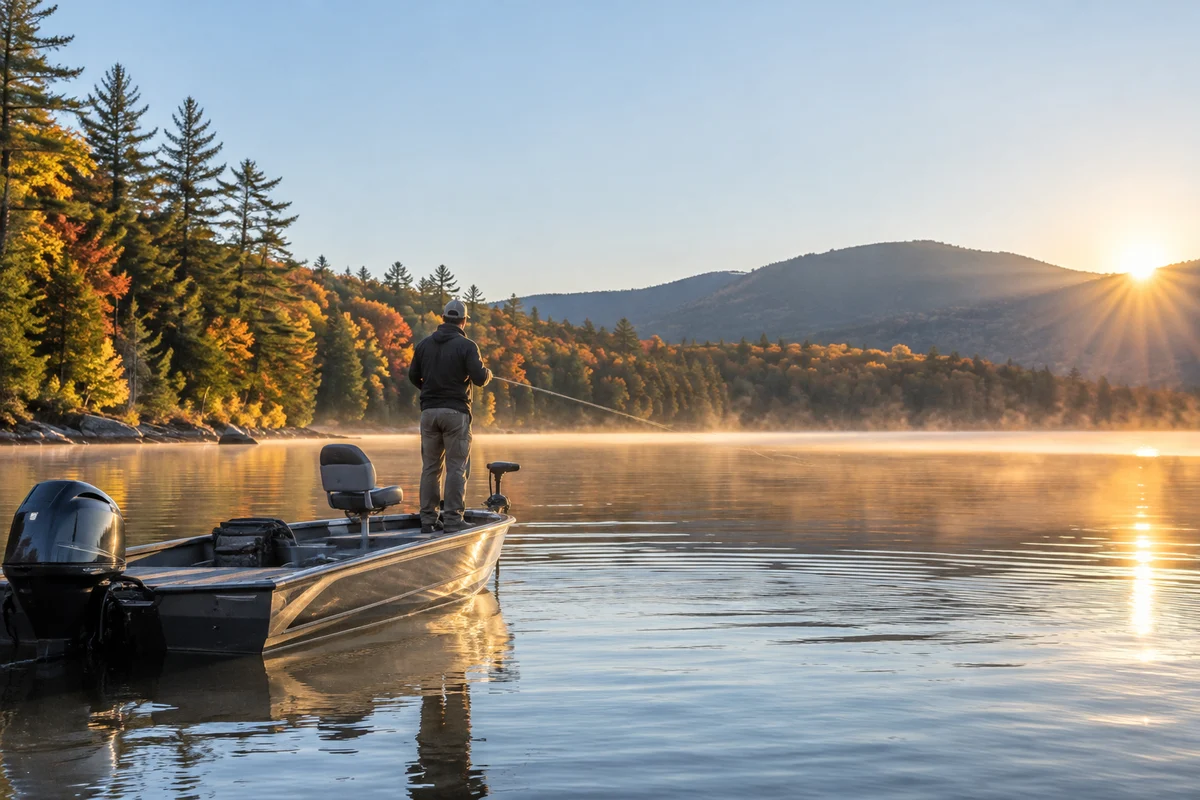
A boat name can be a private joke, a nod to a favorite place, or a small declaration of what time on the water means to you. The top boat names are not necessarily the cleverest ones; they are names that feel personal, remain easy to say over the radio, and look clear on a hull. Start with the kind of boating you actually do, then test a short list for sound, spelling, and staying power.
Boat-name roundups often reflect a particular year, readership, or survey, so they are snapshots rather than timeless rankings. Instead of treating any historical list as a definitive top ten, use the ideas below as a framework for creating a name of your own. Whether you run a fishing boat, a small sailboat, or a family cruiser, the right choice should work both at the dock and out on the water.
What makes a boat name work?
A useful name is distinctive without being difficult. You should be able to say it clearly in ordinary conversation, spell it over a radio if needed, and recognize it from a reasonable distance. A long pun may look amusing in a list but become awkward when spoken aloud. A simple two- or three-word phrase is often easier to display and remember.
Consider four tests before settling on a favorite:
| Test | Ask yourself | Why it matters |
|---|---|---|
| Sound | Can someone understand it when spoken once? | Clear speech helps avoid confusion in routine communications. |
| Length | Will it fit the available lettering area? | The transom, hull shape, and required registration marks can limit space. |
| Meaning | Will it still feel right in a few years? | A name tied to a temporary joke or trend may age quickly. |
| Distinction | Is it easy to tell apart from nearby boats? | Familiar phrases can be hard to distinguish in a busy marina. |
Say the name aloud, including the words “This is” before it. If it feels forced, or if listeners repeatedly ask you to repeat it, revise it. Check the spelling in a few type styles and imagine it viewed from the dock rather than on a phone screen.
Name ideas by boating style
A theme gives you a useful starting point. The examples here are original prompts, not claims about rankings or popularity; adapt them to your boat, home waters, and sense of humor.
Fishing boats
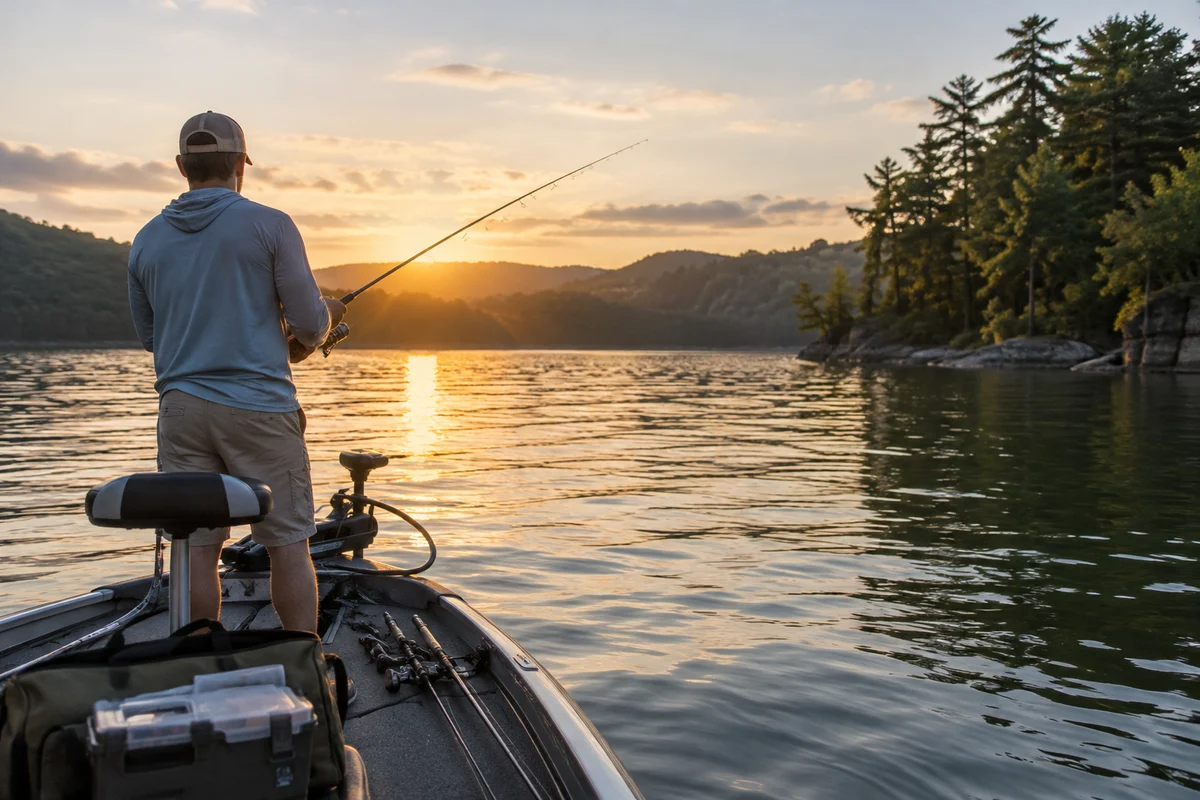
Fishing names can suggest patience, early starts, local waters, or the satisfaction of a day outside. Try a place-based phrase such as “North Cove Morning,” a lighthearted one such as “One More Cast,” or a calm-weather reference such as “Glasswater.” Avoid names that promise a catch or depend on an inside joke no one else can understand. If your boat is set up for different kinds of fishing, a broad name may fit better than one tied to a single species.
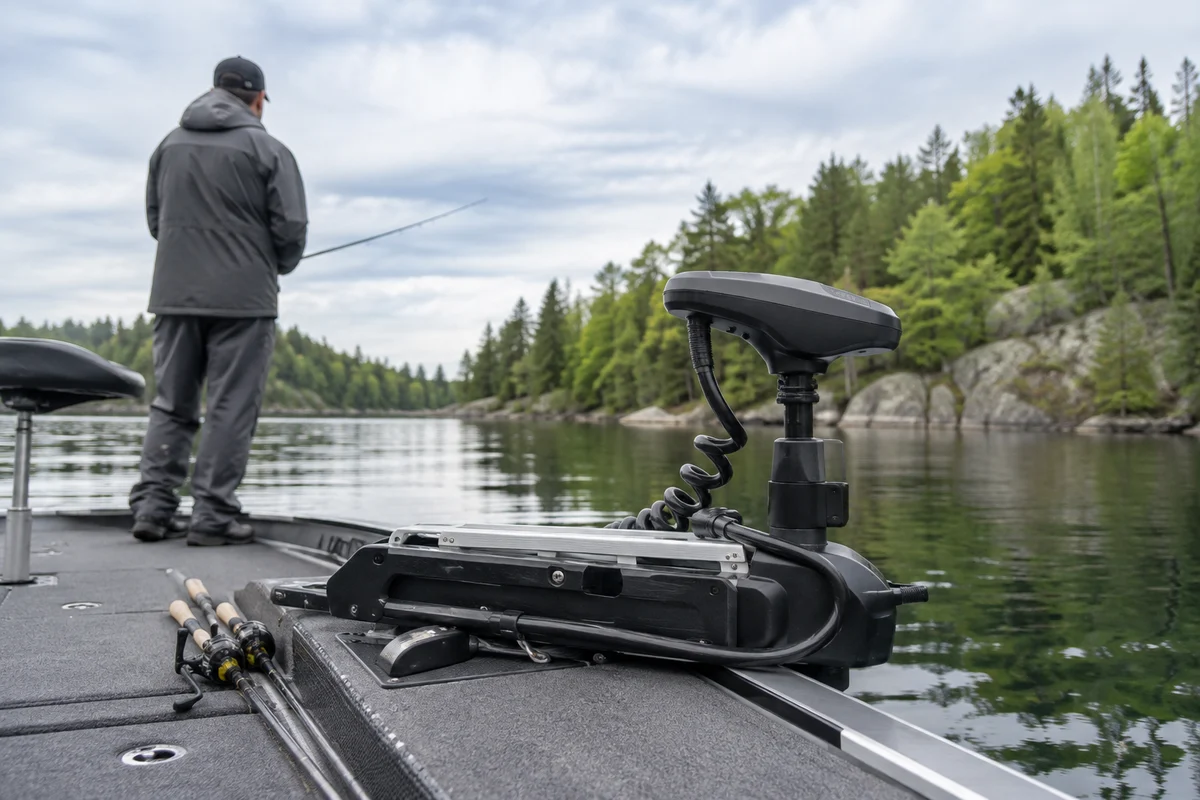
The boat itself can shape the choice. A compact aluminum fishing boat may suit a brisk, practical name, while a larger multi-species rig might call for something more personal or regional. For examples of how boat type and layout influence time on the water, see our overview of the Tracker Targa V-20 WT fishing boat and the guide to Tracker Deep V multi-species boats.
Family cruisers and day boats
For a boat used by several generations, choose a name that belongs to the whole crew. A family nickname, a favorite shoreline, or a phrase about shared time can work without making the vessel sound tied to just one person. Names such as “Sunday Harbor” or “Shoreline Stories” evoke a mood while remaining easy to read.
Think about whether children will be comfortable saying the name and whether it still makes sense if the boat changes hands. A name connected to a person or family can be meaningful, but make sure everyone who regularly uses the boat is happy with it.
Sailboats and quiet-water craft
Sailing and paddling names often draw on wind, weather, navigation, or the feeling of being away from shore. “Westbound Light” or “Quiet Reach” can suggest a journey without requiring a complicated pun. For a canoe or other small craft, a short name is especially practical: there may be little space for lettering, and the boat is often carried or stored where large graphics are unnecessary.
If you are considering a canoe for lakes and rivers, our Old Town Penobscot 174 canoe overview offers a separate look at a classic style of paddling craft. Match the name to how and where you use the boat, rather than borrowing a theme simply because it sounds nautical.
Build a shortlist without overthinking it
Collect words from three places: the boat’s purpose, the waters you visit, and the feeling you want time aboard to have. Combine a place with an image, or a personal reference with a short nautical term. Keep a list for a few days; the names that remain appealing after the first burst of enthusiasm are usually stronger candidates.
Then run each option through this quick checklist:
- Say it aloud: Can you pronounce it naturally and repeat it without stumbling?
- Check the radio test: Is it distinct enough to avoid sounding like a common command or another boat name?
- Picture the lettering: Will it be legible in the space available, in a color that contrasts with the hull?
- Ask the regular crew: Does the name feel right to the people who will use the boat?
- Search for collisions: Look for obvious local or online duplicates, especially among boats at your home marina.
- Consider the future: Will it still suit the boat if your plans, crew, or favorite waters change?
A name does not have to explain the boat. It only needs to be meaningful to you and practical for others to identify.
Make sure the name fits the rules and the boat
Naming conventions and vessel-marking requirements depend on where a boat is registered and how it is used. The name itself may be optional in some circumstances, while registration numbers, documentation marks, or other identifiers may be required. Before ordering decals, check the rules that apply to your vessel with the relevant state boating authority or national agency. Do not assume that a naming custom described for another jurisdiction applies to yours.
Also check the boat’s actual surfaces. A name that fits on a broad transom may not fit beside a motor, ladder, rail, or existing identification. Measure the available area and consider viewing distance. High contrast and uncomplicated lettering generally improve readability; ornate scripts and tightly spaced characters can be harder to make out from shore.
For a new or recently acquired fishing boat, the hull and layout may influence how you use and name it. Our freshwater boat news and boating coverage collects related stories and guides. Treat the name as one part of making the boat your own, alongside learning its systems and keeping required markings visible.
Common naming mistakes to avoid
Choosing a joke that depends on a long explanation. A clever double meaning can be fun, but if it is difficult to say or understand, it may not work well as an identifying name. Keep humor concise.
Using a phrase that is hard to spell. Unusual spelling can make a name distinctive, but too many substitutions create friction when you share it with a marina, service shop, or fellow boater. A memorable phrase is better than a puzzle.
Letting lettering crowd required information. Decorative graphics should not obscure registration numbers, documentation marks, safety labels, or other required information. Follow the applicable rules and leave those markings clear.
Ordering graphics before checking the surface. Curves, hardware, engine wells, and existing decals can reduce the usable area. Measure first, and confirm the installer’s recommendations for material and placement.
Treating a yearly list as a permanent ranking. A list published in a particular year records a moment in time. It cannot tell you what name will best fit your boat, and popularity can vary by region and audience. Use lists for inspiration, then make a choice grounded in your own boating life.
A simple final decision
Write down three finalists and leave them alone overnight. The next day, say each one aloud, picture it on the hull, and ask whether it will still feel comfortable to introduce years from now. If one name passes the sound, space, meaning, and rule checks, you have a strong choice. If none does, return to the boat’s purpose and the places you love; a more personal phrase is often waiting there.
There is no need to make a name clever for everyone. The most satisfying choice is one you enjoy seeing at the dock and can use without hesitation when someone asks what your boat is called. Pick a name that fits the vessel, respect local marking requirements, and let the memories made aboard give it meaning over time.
Frequently asked questions
How do I choose a good boat name?
Choose a name that feels personal, is easy to pronounce and spell, fits the available hull space, and remains appropriate for how you expect to use the boat.
Are boat names required by law?
Requirements vary by vessel type, registration, and jurisdiction. Check with the relevant boating authority before applying a name or changing required identification marks.
Should a boat name be short?
A shorter name is usually easier to say, remember, and display, but clarity matters more than a strict word count. Test it aloud and measure the available lettering area.
Can I use a funny or pun-based boat name?
Yes, if it is easy to understand and say. Consider whether the joke will still suit the boat over time and whether it could be confused with routine communications.
Sources & further information
Consult these primary sources for current regulations, technical information and local guidance.