How to Evaluate a Bear Hunting Video
A useful bear hunting video is more than dramatic footage: it makes the setting, decision-making, and outcome understandable. Learn how to assess a clip critically and use it to prepare for ethical, legal hunting.
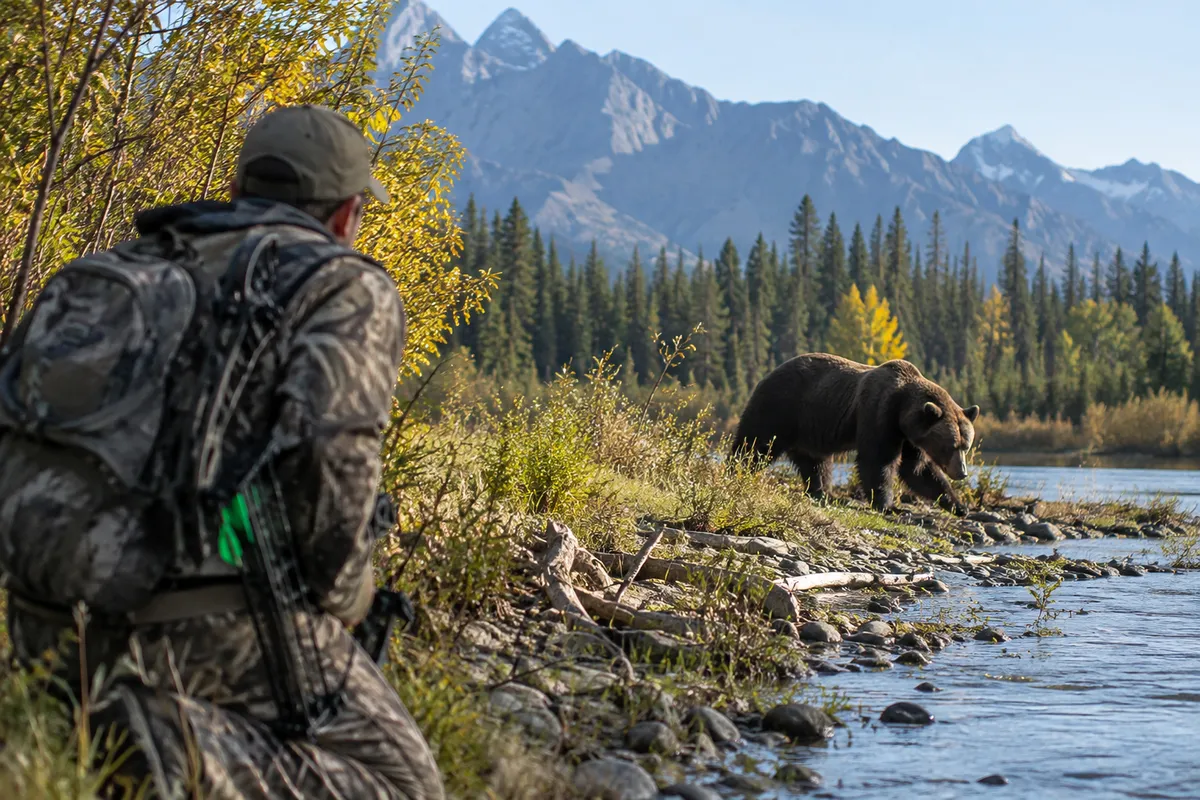
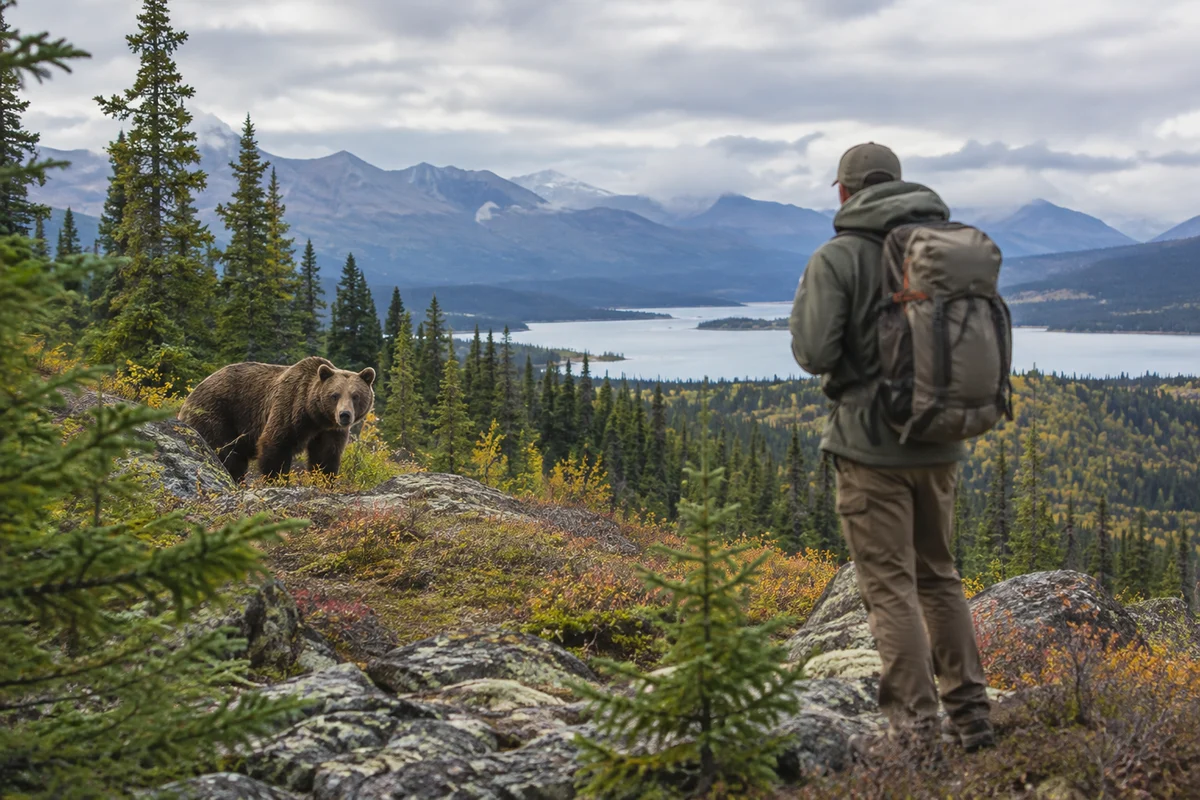
A bear hunting video can show the split-second choices that written advice cannot, but a short clip rarely tells the whole story. The most useful footage makes context visible: where the hunt takes place, what rules apply, how the animal is identified, and what happens after the shot or encounter. Treat dramatic edits as a starting point for questions, not as a complete lesson or a substitute for local instruction.
For hunters, viewers, and families deciding what to watch, the goal is to separate educational footage from spectacle. Look for sound field judgment, respect for wildlife, and responsible follow-through. Just as important, recognize what video cannot establish: a clip may omit distance, weather, prior events, the animal’s condition, or the legal details that shaped a decision.
What makes a bear hunting video worth watching?
A strong educational clip gives viewers enough context to understand the decisions being shown. It should identify the general jurisdiction and hunting method, or explain that details are withheld for privacy or safety. It should also distinguish between a lawful, planned hunt and a chance encounter. Those situations demand different decisions, and editing them together can give a misleading impression.
Look for a clear explanation of the objective and the relevant season or regulations. Rules differ among jurisdictions and can change. Species, permitted methods, tag requirements, reporting, and access restrictions are not details that can be inferred reliably from scenery or clothing. A creator who directs viewers to the current wildlife agency guidance is more useful than one presenting a single hunt as a universal template.
Good footage also shows restraint. It avoids treating an animal as a prop, celebrates preparation rather than cruelty, and gives appropriate attention to recovery and responsibility. If the clip’s main appeal is shock, or if it hides essential circumstances while making sweeping claims, regard it as entertainment rather than instruction.
A practical viewing checklist
Use this framework before accepting a clip’s claims or sharing it as advice:
| Check | What to look for | Why it matters |
|---|---|---|
| Context | General location, season, and hunt type | Regulations and conditions vary by place and time. |
| Identification | A careful explanation of the animal and any uncertainty | Misidentification can create legal and ethical consequences. |
| Decision-making | Calm, deliberate choices and a clear account of what is known | A brief edit can conceal important information. |
| Follow-through | Responsible recovery, handling, and reporting where applicable | The outcome does not end when the camera cuts away. |
| Claims | Sources for statements about rules, behavior, or records | Anecdotes and confident narration are not official guidance. |
| Tone | Respectful treatment of wildlife and viewers | Presentation can reveal whether the clip prioritizes learning or spectacle. |
A clip need not show every sensitive detail to be responsible. Privacy, safety, and platform rules may justify omissions. The key is whether it acknowledges those limits instead of implying that viewers have seen the complete sequence.
Read the edit, not just the action
Video is selective by design. A camera may begin recording after a long wait and stop before the difficult part of a recovery. A cut can remove time, change the apparent order of events, or make an uncertain situation seem obvious in retrospect. Music, slow motion, and close framing heighten emotion but do not verify distance, legality, or the animal’s condition.
Ask what the viewer cannot see. Is there a wide view that helps establish surroundings? Does narration distinguish observation from assumption? Are important claims supported by a current agency source? If a title promises a record animal or unusual behavior, does the creator explain how that claim is verified? Without documentation, a striking image is not proof.
This is especially important when footage circulates without its original caption. Reposts may strip away the location, date, or explanation, while comments can confidently supply details that the video itself does not establish. Before treating a clip as evidence, locate the original publisher and check any accompanying explanation. If that trail is missing, keep conclusions modest.
Species, sex, and behavior: avoid guessing
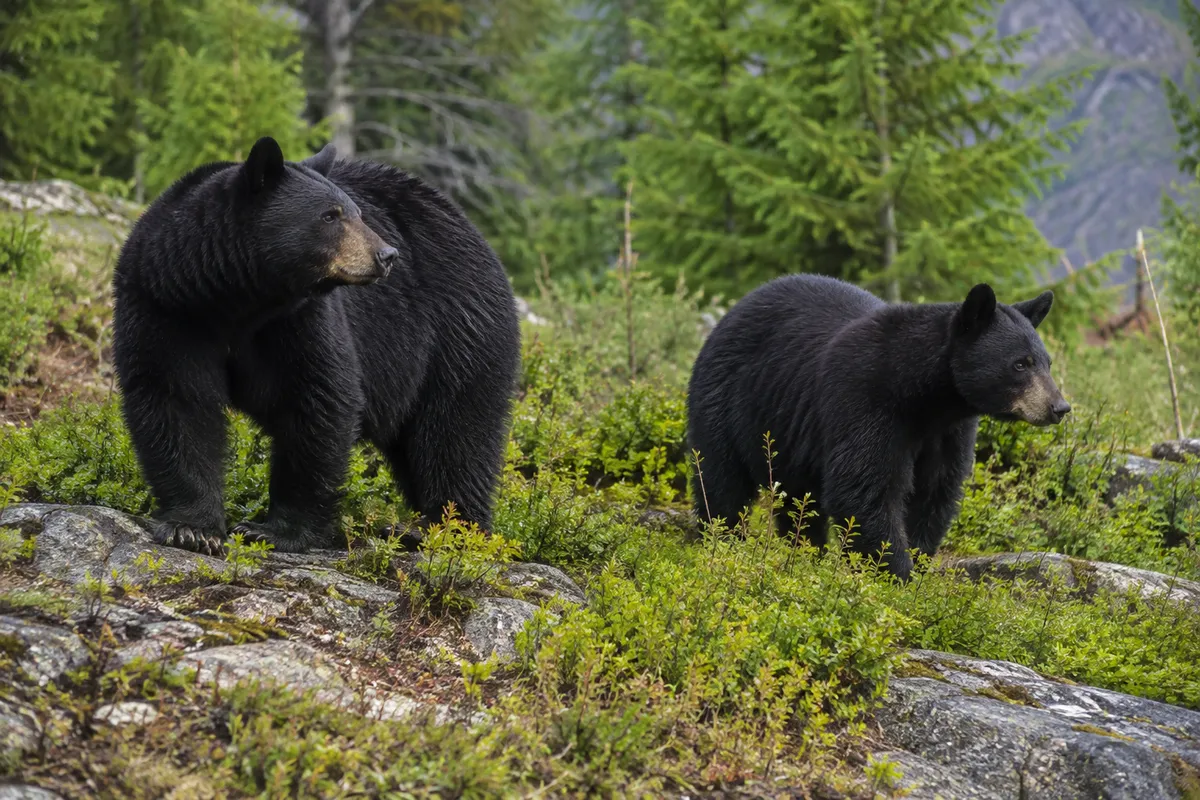
A bear’s appearance in a brief or distant shot may not support confident identification of species, sex, age, or condition. Camera angle, season, coat, body posture, and lighting can all affect what a viewer thinks they see. A video may also use everyday language loosely where a biological or legal distinction matters.
Do not use a single clip to learn a universal rule about bear behavior. Animals respond to their immediate circumstances, and footage seldom reveals all of them. For background on safe choices during an encounter, consult established guidance rather than mimicking a hunting scene. The National Park Service offers general bear safety information; it is not a replacement for the rules and recommendations of local land managers.
When the clip concerns a hunt, the relevant question is not whether viewers can make a confident guess from a screen. It is whether the hunter had a lawful basis and adequate opportunity to identify the animal under the rules in that jurisdiction. When the footage does not explain this, avoid filling gaps with assumptions.
Regulations and ethics belong in the frame
Bear seasons, licensing, harvest limits, permitted methods, and reporting requirements vary widely. Even within one state or province, rules may differ by area or season. A video’s upload date is not proof that the information remains current. Check the responsible wildlife agency before planning a hunt, and confirm the exact area and date rather than relying on a creator’s general description.
The same care applies to public claims about population trends and records. A successful hunt does not by itself demonstrate that a population is healthy or declining. Harvest data, biological surveys, and official recordkeeping have different purposes and standards. If footage makes a population or record claim, look for the agency or recognized recordkeeper behind it.
Ethical evaluation also goes beyond legality. Consider whether the creator describes preparation honestly, avoids encouraging unsafe imitation, and treats the animal and the recovery process with respect. A lawful act can still be presented carelessly; conversely, a restrained edit may omit details without being deceptive. Evaluate what is actually stated, not what a dramatic soundtrack suggests.
For more context on responsible big-game coverage, start with the big-game hunting hub. If a clip discusses population or management claims, compare it with reporting on Pennsylvania bear populations and use the appropriate state agency’s current materials for decisions. For general encounter preparation, see our guide to how to use bear spray; always follow product directions and local recommendations.
Use video as preparation, not a field manual
Watching footage can help viewers notice how terrain, visibility, and patience affect an outdoor experience. It can also prompt useful questions for a hunter education course, mentor, or wildlife officer. It cannot provide individualized instruction, establish a safe shot, or account for every legal condition. Do not copy a camera angle, movement, or decision simply because it appears successful in an edited clip.
A sensible learning sequence is straightforward:
- Check the source. Find the original publisher and any full-length or unedited context they provide.
- Identify the jurisdiction. Locate the relevant wildlife agency and read its current rules directly.
- Separate fact from narration. Note which details are visible and which are claims made by the creator.
- Seek qualified instruction. Use hunter education and local expertise for practical skills and safety.
- Keep uncertainty visible. If the clip does not establish a detail, do not repeat it as fact.
For general information about hunting seasons and regulations across the United States, the U.S. Fish and Wildlife Service provides hunting information and links. State and provincial agencies remain the authority for local requirements.
Frequently asked viewing questions
A useful bear hunting video does not need to be long or graphic. It does need to avoid presenting edited footage as complete proof. Favor material that explains its limits, points to authoritative rules, and treats wildlife responsibly. When those elements are absent, watch with caution—and do not pass uncertain claims along as fact.
Frequently asked questions
Can a video tell me whether a bear hunt was legal?
Usually not by itself. Legality depends on location, date, species, permits, and current local rules; confirm details with the responsible wildlife agency.
Can viewers identify a bear’s sex or age from a short clip?
Sometimes a clear, well-contextualized view may support limited observations, but angle, distance, and lighting can mislead. Do not treat a brief clip as definitive evidence.
Is hunting footage a substitute for hunter education?
No. Video can prompt questions, but it cannot replace formal education, local regulations, qualified instruction, or sound judgment in the field.
What should I do if a clip claims an animal is a record?
Look for documentation from the recognized recordkeeper and verify the category and measurement standards. A striking video alone does not establish a record.
Sources & further information
Consult these primary sources for current regulations, technical information and local guidance.