Choosing Walleye Fishing Rods for Every Presentation
The right walleye rod is the one that fits the presentation and lets you detect subtle bites without sacrificing control. This guide compares useful rod traits and setups for jigging, live bait, and trolling.
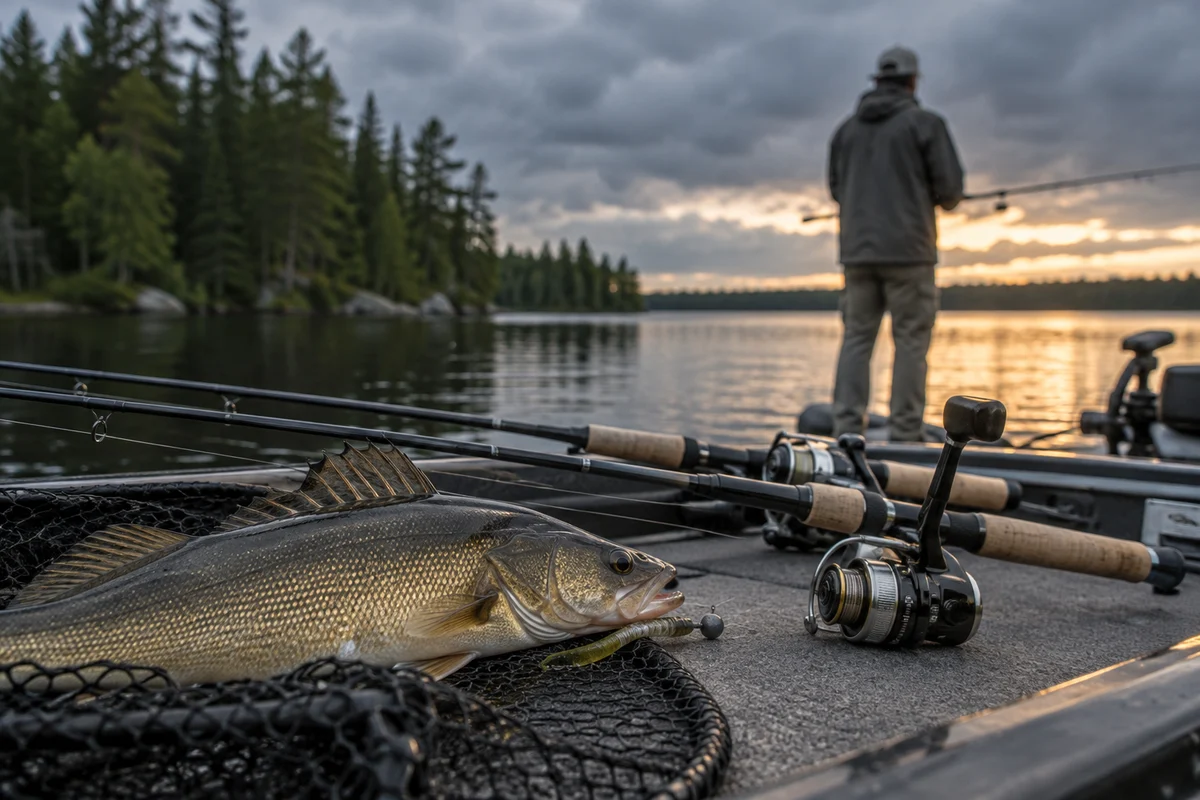
A good choice among walleye fishing rods starts with the job you need the rod to do—not a brand name or a claim that one model handles everything. A light, sensitive setup can help you feel a jig tick bottom, while a longer rod may keep line clear of the boat when trolling. Match length, power, action, reel, and line to the presentation, then adjust for depth, current, cover, and your comfort.
Walleye anglers often switch techniques as conditions change. Rather than buying a rod for every situation, understand the trade-offs and begin with one versatile setup if you are building an outfit. For seasonal context, see our guides to drift jigging for walleye and slip bobbers for walleye fishing.
What matters when choosing a walleye rod?
Four characteristics shape how a rod fishes: length, power, action, and construction. They are related, but each describes something different.
- Length is the rod’s overall reach. Longer rods can help manage line around a boat and make longer casts, but may feel cumbersome in tight quarters or for smaller anglers.
- Power describes the force needed to bend the rod. Lighter power can suit small jigs and light presentations; heavier power can provide more control with larger weights, deeper water, or substantial current. Ratings are not perfectly standardized across manufacturers.
- Action describes where the rod bends under load. A fast-action rod typically bends more toward the tip, which can make it easier to feel contact and set a hook. A moderate action bends farther down the blank and can cushion surges, useful when keeping tension on a fish during trolling.
- Material and build influence weight, sensitivity, and durability. Graphite is commonly chosen for sensitivity and low weight; fiberglass or composite designs can offer a more forgiving bend. Construction quality, guides, handle comfort, and balance matter as much as material labels.
Rod ratings and names vary between brands. Treat them as a starting point, not a universal measurement. If possible, hold the rod with the reel you plan to use and consider how it balances in your hand.
Match the rod to the presentation
There is no single ideal walleye rod. The best fit changes with whether the bait is cast, lifted vertically, suspended below a float, or pulled behind a moving boat.
| Presentation | Useful traits to consider | Main trade-off |
|---|---|---|
| Casting jigs or light rigs | Sensitive tip, comfortable length, light-to-medium power | A very soft rod may feel vague when working heavier jigs |
| Vertical jigging | Manageable length, responsive tip, enough backbone for depth and current | A long rod can be awkward directly below the boat |
| Slip-bobber fishing | Moderate length and forgiving action; reel with a usable drag | A specialized float setup may be less convenient for casting jigs |
| Trolling | Longer reach or a moderate, forgiving action; suitable reel and line capacity | A trolling rod can be less sensitive for delicate casting work |
| Bottom-bouncer presentations | Power suited to the weight and cover, with a tip that shows movement | Too much power can make light bites harder to notice |
These are decision points, not strict prescriptions. A windy day, deep basin, strong river current, or heavy cover can change the amount of control required. Follow the rod manufacturer’s line and lure ratings, and stay within them.
Jigging and casting
For casting a jig or working a lure near bottom, sensitivity and balance are valuable. A tip that transmits contact can help distinguish a bump, a change in bottom, or a fish from the lure’s normal movement. A fast action is a common choice, but an overly stiff rod can make light tackle less forgiving and may reduce the feel of a small presentation.
Choose enough power to control the weight you actually fish. If your usual jig is light and the water is relatively calm, a lighter outfit may be comfortable. If current or depth calls for more weight, a stronger rod can keep the presentation manageable. The lure rating printed on the rod offers a useful limit; do not assume that a rod’s power label alone tells the whole story.
For a technique-specific comparison, our guide to how to set up bottom-bouncer rigs covers a presentation that calls for a different balance of weight control and bite detection.
Vertical jigging and ice fishing
When the lure stays nearly below the boat, reach matters less than direct control and comfort. A shorter rod can make repeated lifts easier in close quarters, while a responsive tip helps show subtle changes. In current or deep water, the required jig weight may call for more backbone than a shallow-water setup.
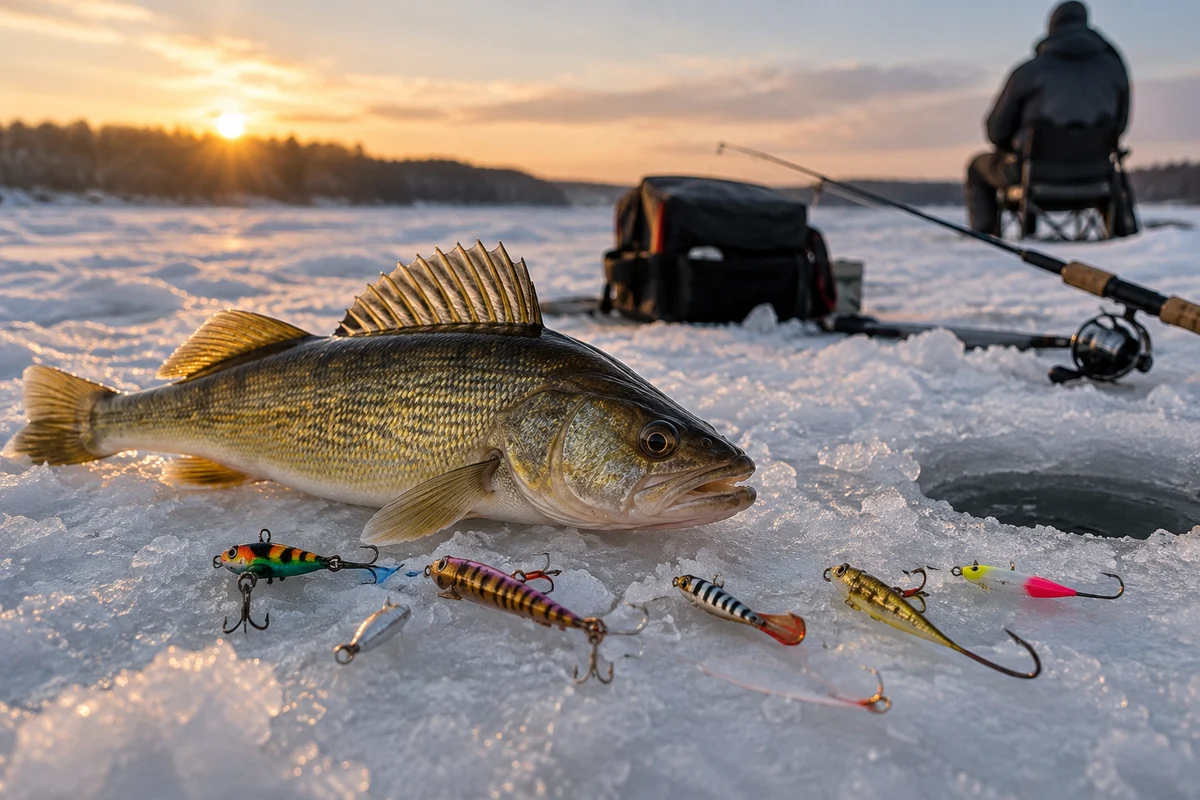
Ice fishing brings different constraints: a compact rod is easier to handle in a shelter or over a hole, and a small reel and light line may suit modest lures. Match the rod to the fish, lure, and local conditions rather than simply using a scaled-down open-water rod. Our overview of essential ice fishing lures for walleye discusses lure choices that can help guide that pairing.
Slip floats and live bait
A slip-bobber setup needs to cast or position the float comfortably, then maintain control as the fish takes the bait. A moderate or moderate-fast action can be forgiving when a fish moves with the bait, but the right choice depends on hook style, bait, line, and how you fish the float. A dependable reel drag is important: set it so line can be taken under pressure without a sudden break, and check it before fishing.
Keep the whole system in mind. A rod cannot compensate for a float stop that catches in the guides, an unsuitable hook, or line that is damaged. Practice casting in an open area so the stop knot, float, and weight travel smoothly.
Trolling
Trolling places different demands on a rod than casting. Longer rods can spread lines and help keep them away from the boat, while a softer or moderate action can absorb a fish’s surges and boat movement. Rod holders also affect what length and handle shape are practical. If you troll multiple lines, follow local rules on line limits and permitted methods.
A rod designed for trolling may be robust and forgiving, but it is not automatically the best choice for detecting a light jig bite. If you want one outfit for varied fishing, choose a balanced compromise and accept that a dedicated rod may perform better for a specialized method.
How should reel and line fit the rod?
A rod and reel should balance as a system. A spinning reel is versatile for many casting, jigging, and float applications. Choose a reel that operates smoothly, has a dependable drag, and fits the rod without making the outfit feel tip-heavy. For trolling, anglers may use different reel styles depending on the method and local practice; focus on reliable drag operation and adequate line capacity rather than a particular label.
Line choice also changes feel and handling. Braided line has little stretch and can transmit contact clearly, but it may be more vulnerable to abrasion against sharp structure and can require careful drag settings. Monofilament stretches more and can be forgiving; fluorocarbon is used by some anglers as main line or leader material. Each has trade-offs. Check knots, inspect the final section for wear, and use a leader when it makes sense for the conditions and presentation.
Use the line range marked by the rod maker, and avoid filling a reel in a way that causes loops or tangles. A well-matched, freshly checked line system is more useful than selecting line solely by a general claim about sensitivity.
A simple decision framework
Before choosing a rod, answer these questions:
- What will I fish most? Pick the presentation you use regularly, not the one you might try once.
- How heavy is the complete rig? Include jig, sinker, bait, and any added hardware; compare the total with the rod’s lure rating.
- Where will I fish? Depth, current, wind, cover, and whether you fish from shore, a boat, or through ice affect control and useful length.
- What does the rod need to do well? Prioritize sensitivity for contact-focused jigging, reach for line management, or a forgiving bend for trolling.
- Does it feel balanced? Pair it with the intended reel and hold it as you would while fishing. Comfort matters during a long session.
- Can I maintain it? Check guides, reel seat, handle, and storage needs. Rinse and dry equipment after use, especially after exposure to salt or grit.
If one rod must cover several methods, select a middle-ground design with ratings that suit your most common lure weights. Make a note of what feels difficult—poor casting control, missed bottom contact, or awkward rod-holder fit—before buying a specialized second outfit.
Common mistakes to avoid
Buying by length or power label alone can lead to a poorly matched outfit. Compare the full ratings and handle the rod if possible. Another frequent mistake is choosing a rod that is too stiff for the presentation: a powerful blank may move a light lure abruptly and make subtle changes harder to read. At the other extreme, a rod that is too soft for a heavy rig can feel overloaded and offer little control.
Do not assume expensive equipment guarantees more fish. Technique, location, safe handling, and a properly maintained line system matter. Rods are also vulnerable to damage from car doors, high-sticking a fish, and impacts to the blank. Store them so guides and tips are protected, and inspect them before a trip.
The practical takeaway
Choose walleye fishing rods around the way you actually fish. For casting and jigging, begin with sensitivity, balance, and a suitable lure rating; for trolling, consider reach and a forgiving bend; for floats, prioritize manageable casting and controlled line handling. Manufacturer ratings are useful but not perfectly comparable, so check the exact rod specifications and try the outfit together when you can. Conditions and personal comfort matter, and a well-matched general-purpose rod is often a sensible starting point.
For more, explore our walleye fishing fishing freshwater guides.
Frequently asked questions
What rod action is useful for walleye jigging?
Many anglers favor a responsive fast or moderate-fast action for feeling contact, but the right action depends on jig weight, depth, current, and personal feel.
Can one rod work for walleye jigging and trolling?
A versatile rod can cover both, but the compromise may be noticeable: jigging favors sensitivity and control, while trolling often benefits from reach and a more forgiving bend.
Is a longer rod always better for walleye fishing?
No. Extra length can help with casting or keeping lines apart while trolling, but a shorter rod can be easier for vertical jigging, tight spaces, or ice fishing.
How do I match line to a walleye rod?
Start with the rod maker’s stated line range, then consider abrasion, stretch, depth, and presentation. Inspect line often and set the reel drag to protect the complete system.
Sources & further information
Consult these primary sources for current regulations, technical information and local guidance.