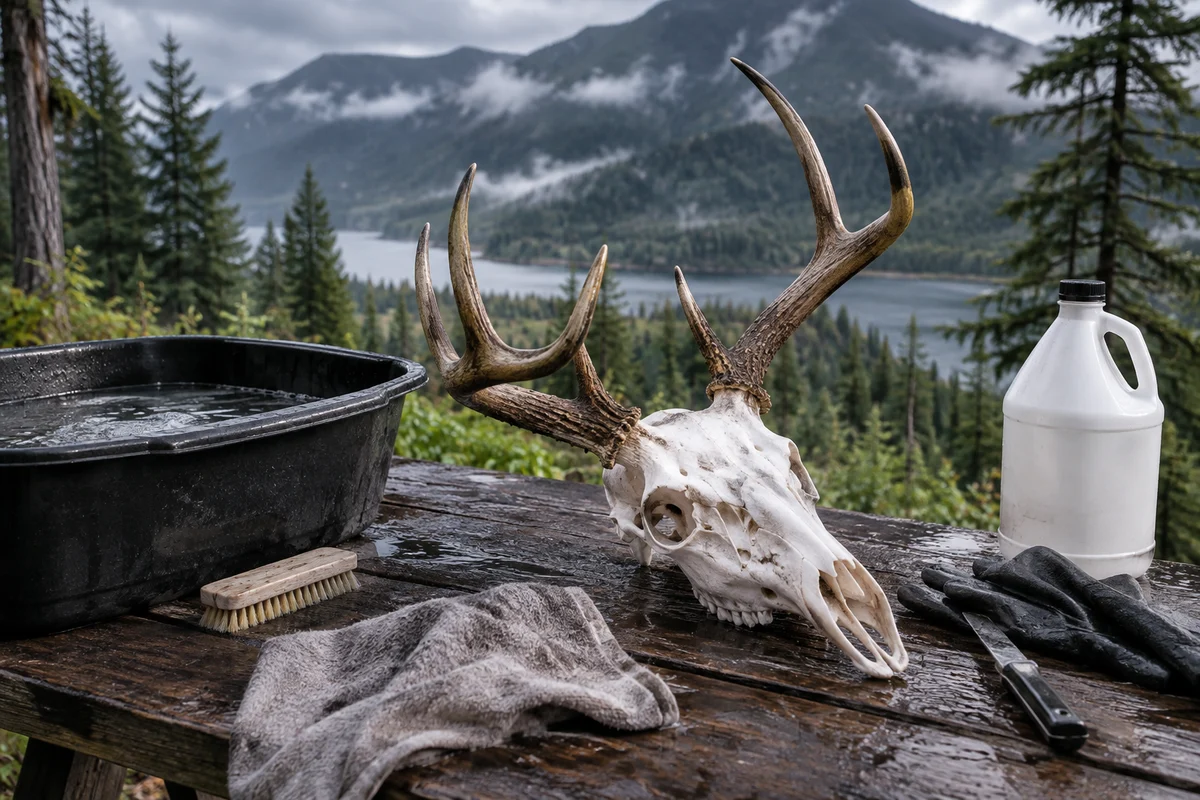
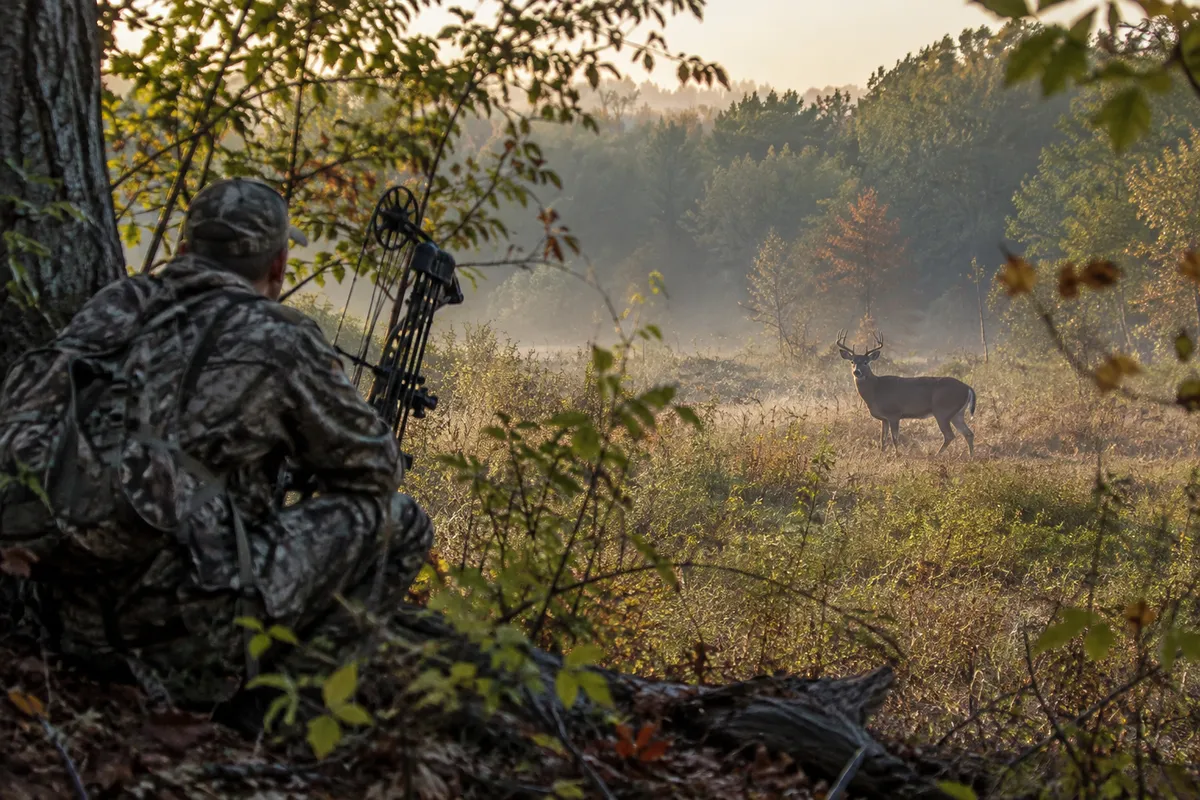
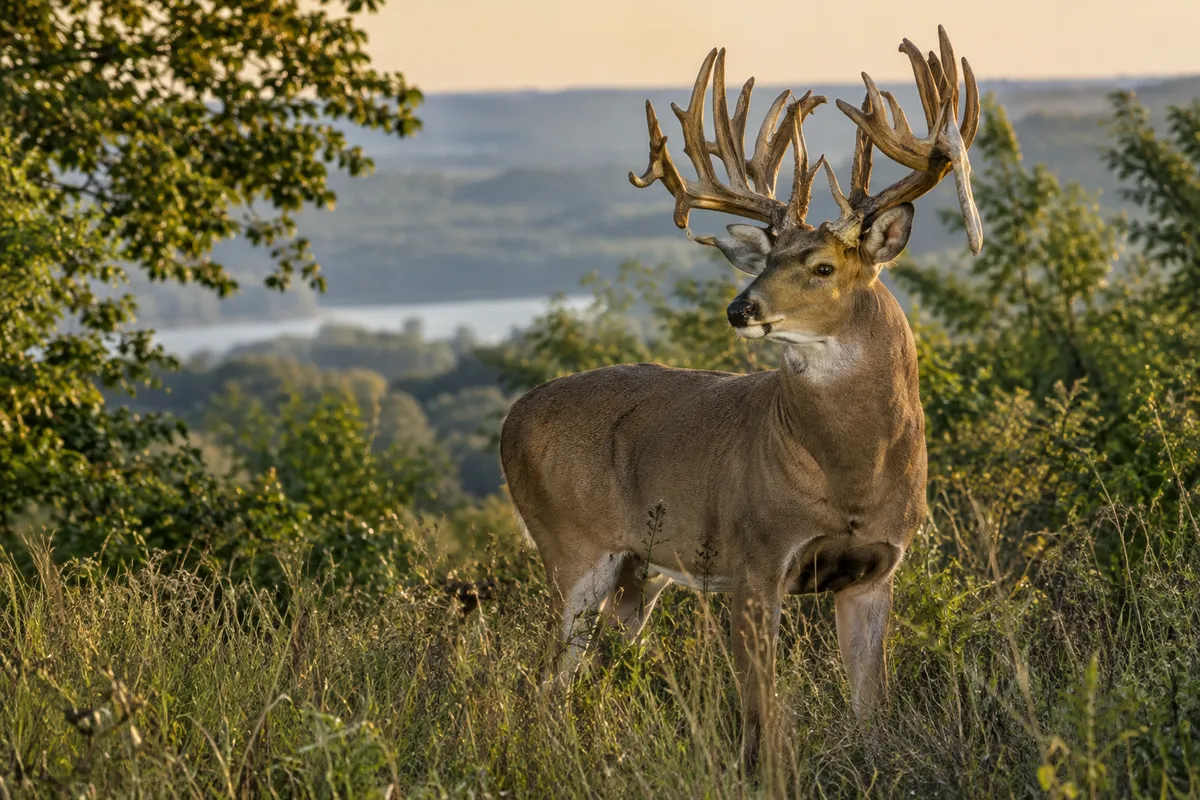
October lull deer hunting: read the woods, not the calendar
The so-called October lull is not a reliable, universal shutdown in deer movement. Learn how to assess local conditions, choose low-impact sits and adjust your plan when sightings fade.
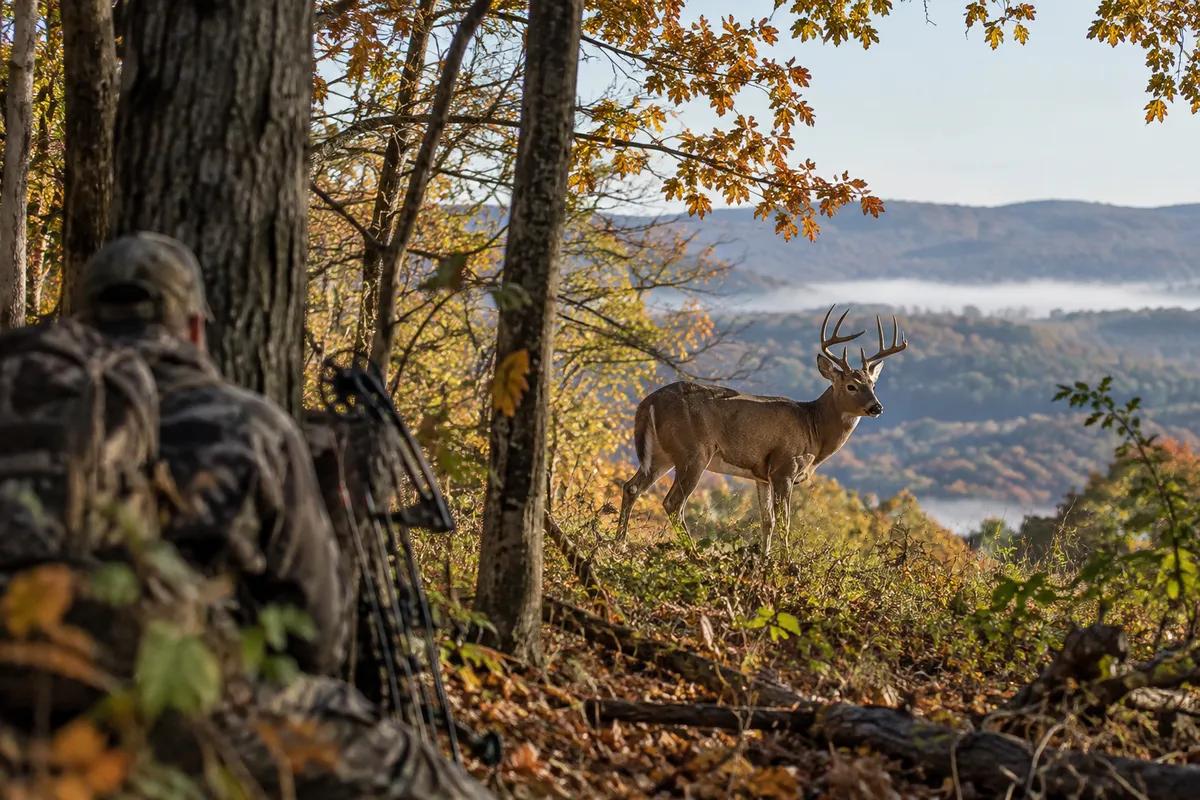
The phrase october lull deer hunting describes a familiar frustration: a promising early season gives way to fewer daylight sightings just as hunters hope activity will build. But it is not a dependable biological pause that starts and ends on a fixed date. Deer movement shifts with local food, weather, hunting pressure, cover and the timing of the breeding season. Treat “lull” as a field observation to investigate—not a calendar signal to abandon a sound plan or make increasingly intrusive moves.
A useful response begins with evidence. Separate what you have actually observed—fresh tracks, browse, camera detections, wind and pressure—from assumptions about what deer “should” be doing. Then make the smallest change likely to improve your odds while protecting the area you want to hunt later.
Is the October lull real?
Hunters can experience a genuine slowdown in visible daylight activity, but that does not mean all deer stop moving. Whitetails still need to feed, drink and use secure cover. Their routes and timing may change enough that a familiar stand or camera appears quiet. Research and management guidance describe deer as responsive to season, habitat and disturbance; they do not establish one universal October lull that applies to every property.
The distinction matters. If deer have shifted from an exposed field edge to thicker bedding cover, repeated sits on the old route may produce no sightings. If acorns are falling in a new location, food patterns can change. If pressure rises, deer may travel after dark or use less accessible cover. None of these explanations can be assumed from a calendar alone. Look for local signs and weigh them against your own access and observation history.
For a broader season framework, start with the deer-hunting hub. It helps put changing movement in context rather than treating one stretch of quiet as a rule.
What can make sightings drop?
Food changes
Early-season deer may visit predictable crops, browse, mast or planted food sources, but availability changes quickly. A fresh acorn drop can draw feeding activity into timber; a field may lose appeal as crops are harvested or forage changes. Food sources are highly local, so avoid assuming a particular crop or mast pattern without checking the habitat in front of you.
Look for fresh feeding sign, droppings and trails, while remembering that sign alone does not reveal the time of day it was made. A well-used trail is useful evidence, but it is not proof of a current daylight route.
Pressure and access
Each entry can leave scent, noise or visible disturbance. Deer may respond by changing routes or using cover more heavily, while wind and terrain influence how much your approach affects the area. More camera checks and extra scouting trips can undermine the very pattern you are trying to learn.
Reduce unnecessary visits. Plan access before the season, use routes that avoid likely bedding cover where feasible, and choose a sit that can be entered and exited with minimal disturbance. Keep local access rules and property boundaries in mind.
Weather and daily conditions
Temperature, wind, rain and abrupt changes can affect when deer are visible, but no single weather rule guarantees movement. A cold front is not a promise, and warm weather does not mean deer will be inactive. Consider conditions alongside recent observations, not instead of them. Wind direction is especially practical: if your approach or stand is likely to carry scent into the area you want to observe, choose another location or wait.
Seasonal transitions
As autumn progresses, changing cover, food and breeding behavior can alter movement. Timing varies by region, year and individual deer. A trail camera’s quiet stretch might reflect changed timing or route, not absence from the property. Local wildlife-agency season information can clarify dates and regulations, but it cannot tell you exactly where deer will move on a particular parcel.
A practical decision framework for the next sit
Before relocating a stand or making another scouting loop, compare the evidence. Use this simple checklist to distinguish a real pattern change from a short run of bad luck.
| What you notice | What it may suggest | Low-impact response |
|---|---|---|
| Fresh feeding sign in a different area | Food use may have shifted | Observe from a suitable edge; avoid crossing the likely route |
| Tracks or trails remain active, but sightings stop | Timing or daylight use may have changed | Adjust sit timing only when access and wind make sense |
| Sign declines near a frequently used entry | Disturbance may be part of the problem | Rest the area and simplify access |
| Wind repeatedly carries scent toward cover | Current setup may be compromised | Pick a different wind-compatible location or skip the sit |
| No fresh sign across several checks | The location may no longer be productive | Verify conditions elsewhere before moving equipment |
This is a decision aid, not a formula. Sign can be misread, cameras have blind spots, and weather or pressure may change between visits. Make one measured adjustment, then give it enough time to learn whether conditions changed. Moving every time you have a quiet sit makes it difficult to tell which change helped.
How to hunt the transition without educating deer
Start with wind and access. A promising food source or trail is not automatically a good stand location if reaching it means walking through bedding cover or leaving a strong scent stream across the route. Favor observation points and approaches that let you enter and leave cleanly. If there is no reasonable access for the current wind, patience is often better than forcing a sit.
Next, focus on transitions: edges between feeding areas and thicker cover, natural funnels, or terrain features that connect habitat. These are not guaranteed ambush spots; they are places to observe movement while limiting intrusion. Use binoculars or other legal observation methods from a distance where possible. Follow local rules on equipment, baiting, seasons and hunting methods.
If you use trail cameras, set them where you can check them without repeatedly walking through the core area. A camera records what passes its field of view, not every deer on the property. Interpret a lack of photos cautiously: placement, detection range, batteries, vegetation and route changes all affect what it captures.
Preparation also matters when conditions shift. Review the practical steps to prep for deer season before a long stretch in the field, and keep equipment organized with a sensible hunting gear storage bag. These are supporting considerations, not substitutes for safe, low-impact decisions.
When to stay put—and when to change
Stay with a location when fresh sign is consistent, access is quiet, and wind allows a responsible sit—even if sightings have been sparse for a few days. Change locations when repeated observations point to a different food source or route, when your setup is compromised by wind, or when pressure has made your approach disruptive. Rest a site if your own activity is likely contributing to the decline.
Keep a brief field log: date, wind, temperature trend, precipitation, entry route, time in the field and evidence seen. Avoid turning a few data points into a universal rule. A log is most useful for comparing conditions on the same property across time, not for predicting exact movement.
Most of all, keep expectations realistic. A quiet sit does not prove deer have vanished, and a burst of activity does not guarantee it will repeat. The aim is to make decisions that respect the animal, the land and the limits of what you know.
Safety and legal considerations
Check current regulations from the wildlife agency responsible for your location, including season dates, legal equipment, tagging and access rules. Rules differ by jurisdiction and can change. Wear required hunter-orange clothing where applicable, identify your target and what lies beyond it, and handle any hunting equipment according to its safety instructions. Tell someone where you will be and when you expect to return. If conditions, visibility or access become unsafe, leave the area.
An “October lull” is best treated as a prompt to reassess. Follow fresh local evidence, reduce avoidable pressure and choose a sit that fits the wind and access—not a date on the calendar.
Frequently asked questions
Does the October lull happen every year?
No. Hunters may see fewer daylight deer in October, but timing and causes vary by location, habitat, weather, food and hunting pressure.
Should I move my stand if I have not seen deer?
Not automatically. Check fresh sign, wind and access first. Make a change when evidence points to a shifted route or your setup is disturbing the area.
Do cold fronts guarantee better deer movement?
No. Weather can influence activity, but a cold front is not a guarantee. Consider it alongside local sign, wind and recent pressure.
How can I tell whether deer have left an area?
You usually cannot conclude that from one quiet camera or sit. Check for fresh tracks, feeding sign and other routes, while accounting for camera placement and disturbance.
Sources & further information
Consult these primary sources for current regulations, technical information and local guidance.