Walleye Fishing Cheat Sheet: Seasonal Tactics & Choices
A practical field guide to walleye seasons, location, presentations and on-the-water decisions. Use the quick-reference table to adapt to clarity, current and changing light.
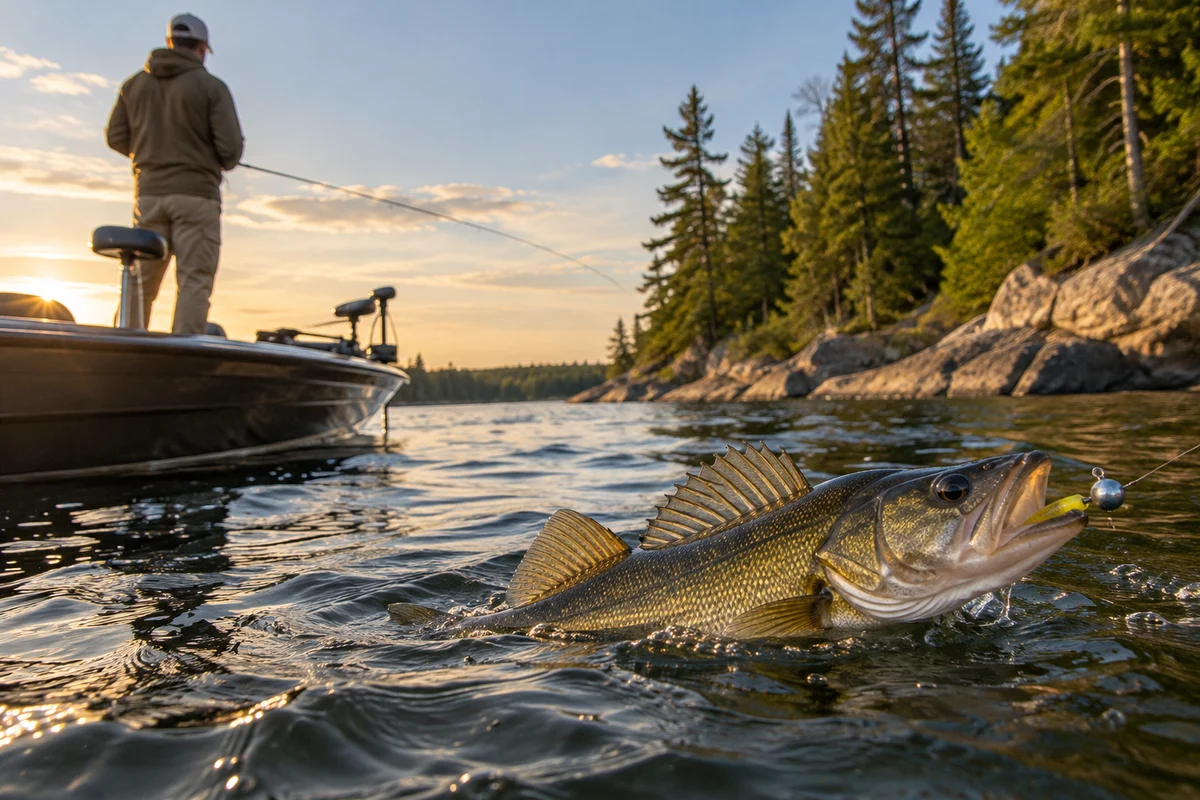
Walleye fishing cheat sheet is a useful way to think about the day before you tie on a lure: start with season and habitat, then narrow choices by depth, light, current and fish response. It is not a promise of a catch or a universal recipe. Walleye behavior varies with waterbody, weather, forage and fishing pressure, so treat these starting points as hypotheses to test—not fixed rules.
The most reliable routine is simple: identify likely structure, make a controlled presentation, and change one variable at a time. Keep local regulations close at hand, especially when fishing unfamiliar waters or keeping fish.
Where should you start looking for walleye?
Look for transitions that give fish access to food and cover: a hard-to-soft bottom edge, a weedline, a point, a reef, a channel swing, or the edge of a current seam. The best feature depends on the waterbody. A broad natural lake may reward searching along contour changes, while a river may concentrate fish near current breaks and deeper connected water.
Use a map or sonar to understand depth and bottom shape, but verify what you can from the water. A mark on a screen is not proof that it is a walleye. Wind can push bait and alter which side of a point is comfortable to fish; current can make a seemingly small depth change important. Begin where a feature intersects a travel route or feeding area, then make passes that let you cover it systematically.
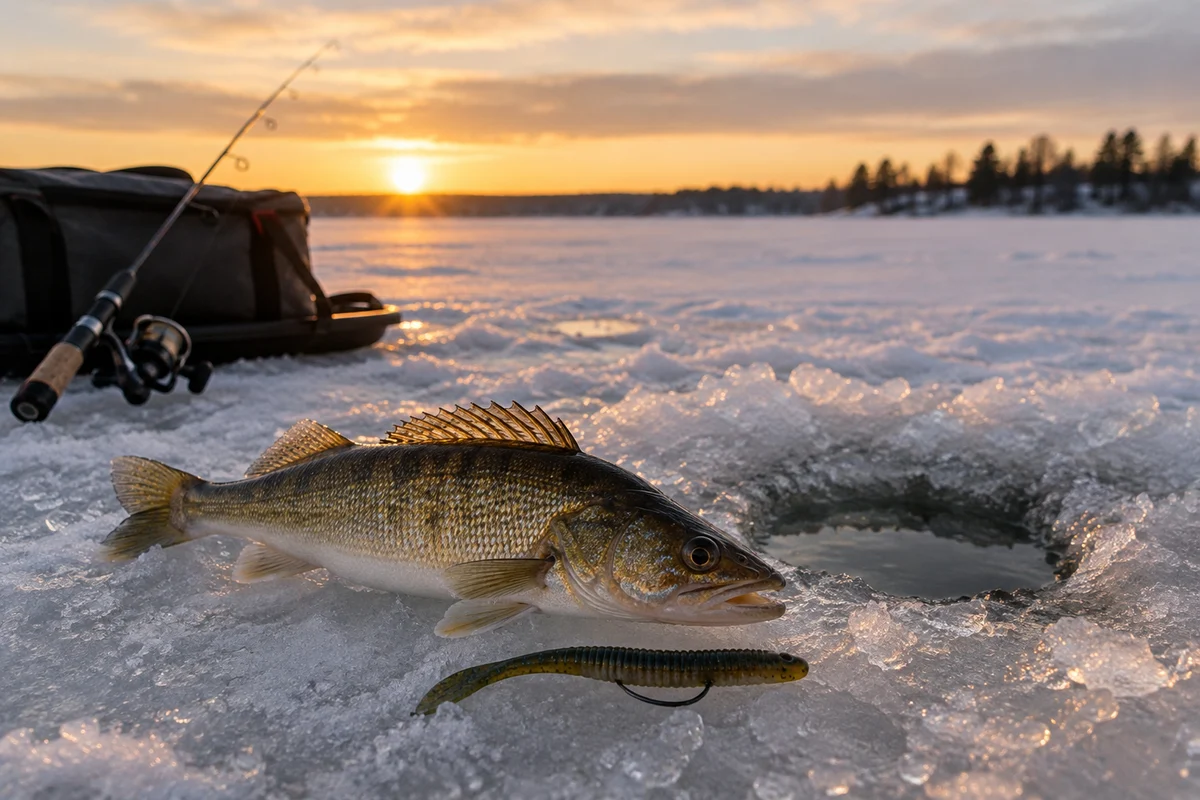
If you are fishing through ice, prioritize safe access and current local ice guidance before considering a spot. For lure selection in that setting, see this guide to ice fishing lures for walleye. In open water, techniques such as drift jigging for walleye can help cover a controlled stretch when wind or current allows a manageable drift.
Which presentation fits the conditions?
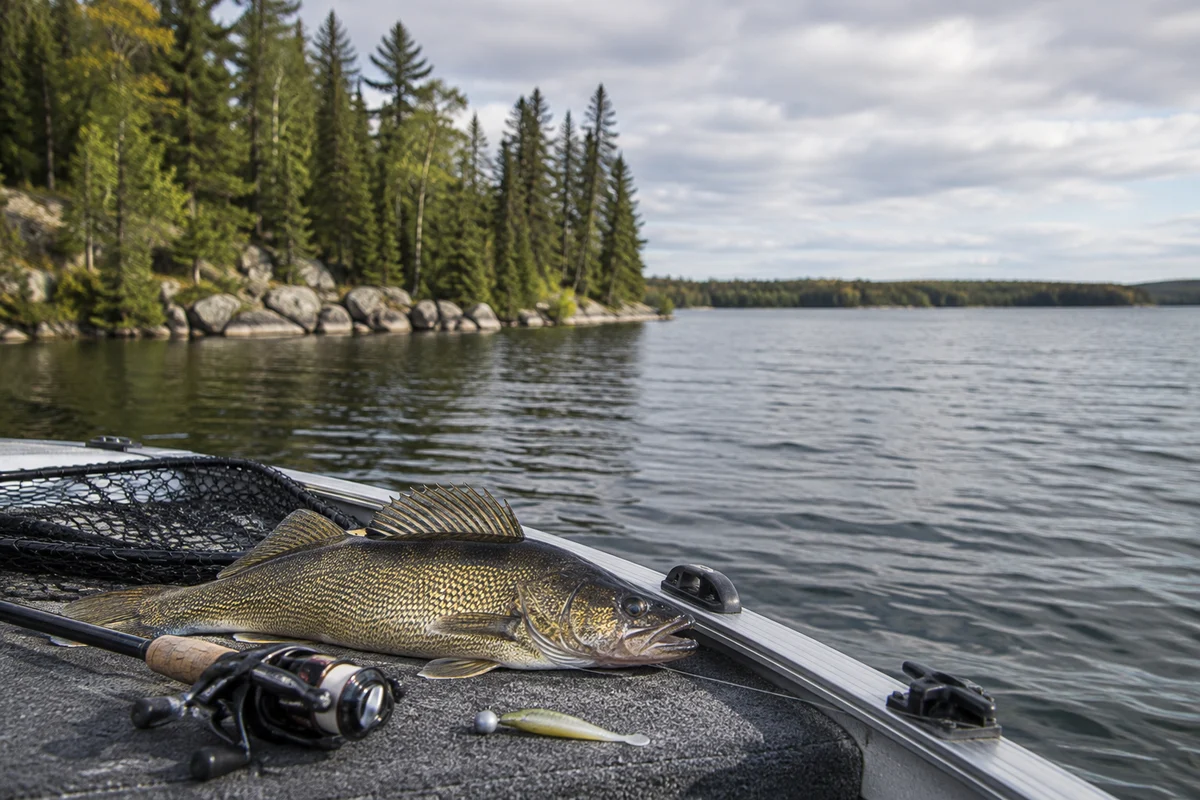
Choose a presentation that keeps the lure near the depth and cover you can actually fish. A jig offers direct contact and precise control around edges or while drifting. A bottom-bouncer setup can keep a bait or lure near bottom while moving, but it takes attention to maintain contact without dragging carelessly through snags. A slip bobber lets you suspend bait at a chosen depth, which can be useful when fish are holding above cover or when a slow presentation is appropriate.
For a closer look at rig components and setup considerations, read how to set up a bottom bouncer. When fish are less responsive to a moving search presentation, slip bobbers for walleye fishing are another option to consider. Follow the specific product instructions for tackle, and use hooks and weights appropriate to your rod, line and fishing conditions.
| Conditions you observe | Starting approach | What to watch for | Practical adjustment |
|---|---|---|---|
| Fishable edge or point, moderate wind | Jig or controlled drift along the feature | Repeated bottom contact and clean passes | Adjust drift angle or boat position before changing everything else |
| Fish appear suspended or sit above bottom | Suspend a bait or lure at a measured depth | Whether marks and bites occur at a consistent level | Change depth in small increments |
| Broad area with scattered cover | Search methodically with a moving presentation | New bites, bait, or a sharper contour change | Slow down and repeat the productive segment |
| Strong current or difficult boat control | Find a safer, manageable seam or protected edge | Whether the presentation stays in the intended zone | Reduce the area you cover; avoid forcing an uncontrolled drift |
| Clear, calm water and wary fish | Make quieter, more distant passes where practical | Following fish, short strikes, or fish shifting away | Reduce disturbance and refine speed or depth |
| Stained water or low visibility | Keep the lure close to likely fish-holding structure | Contact, visibility and whether fish can track the lure | Change contrast, vibration or pace one factor at a time |
This table is a decision aid, not a claim that a particular condition guarantees a particular bite. A fish-finder reading, a visible weed edge, or one missed strike is evidence to interpret—not a verdict.
How do season and light change the plan?
Season helps frame likely locations, but it does not replace observation. In cold periods, fish may use deeper or more stable areas, and a slower presentation can be easier to control. In spring, shallow feeding areas may become relevant where regulations and conditions allow; spawning closures and special rules vary by jurisdiction. During warmer months, look for access to suitable depth, forage and cover rather than assuming every fish is deep. In autumn, changing temperatures and forage movement can make edges and feeding areas worth checking again.
Light is another clue. Low-light periods can make shallow edges worth a look, while bright conditions may shift your search toward depth, shade, or cover. These are patterns, not guarantees. Wind, water clarity, fishing pressure and local forage can outweigh a simple calendar rule. Check the relevant state or provincial fish and wildlife authority for seasons, closures, size limits and possession rules before planning to harvest fish.
What should you change when bites stop?
First confirm that your presentation is still reaching the intended zone. A change in wind, current, boat speed or line angle can lift a lure away from bottom or pull it through cover too quickly. Correct boat position and depth control before replacing the whole setup.
Then change one variable and give it a fair test. A useful order is:
- Location: Shift to the next nearby contour, edge or current break.
- Depth: Move the presentation slightly shallower or deeper.
- Speed: Slow down or speed up enough to create a noticeable difference.
- Profile or action: Try a different lure shape or a more subtle presentation.
- Color or visibility: Adjust contrast to suit water clarity and light.
Keep track of where and how the response happened. A short note such as “windward point, mid-depth, slow drift” is more useful than switching lures repeatedly without a pattern. If you get follows or short strikes, stay attentive to depth and pace; if there is no sign of fish, moving to another feature may be the better decision.
What belongs in a walleye fishing kit?
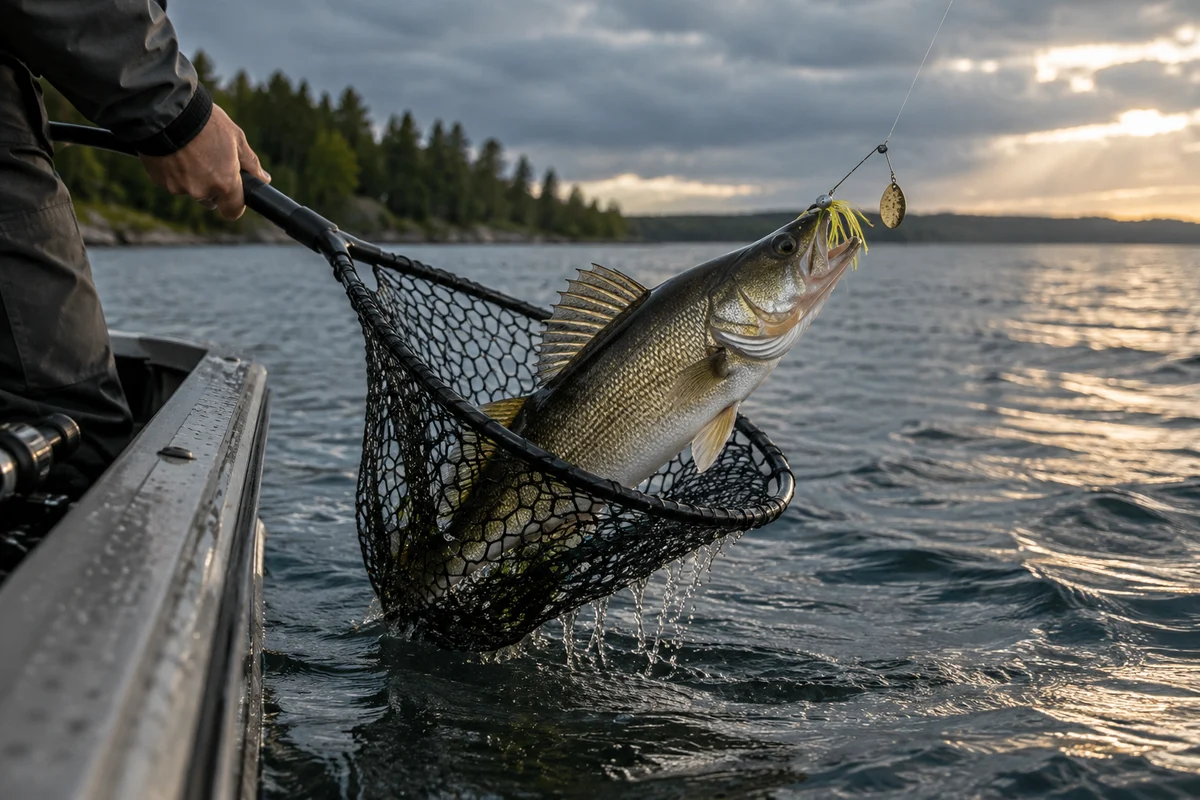
Pack for control and safe handling rather than carrying every lure you own. A compact selection of jigs, a few options for covering water, and components for a bottom-bouncer or suspended presentation can cover varied situations. Bring pliers, a measuring device, a net suited to the fishery, and a way to keep legal fish cool if you plan to retain them. Use tackle that is appropriate to the expected conditions and local rules.
Before leaving, review access, weather and water conditions, and tell someone your plan when traveling remotely. Wear a properly fitted life jacket, especially in cold water or when operating a boat. Handle fish promptly and carefully; wet hands and minimizing time out of water can reduce avoidable stress when releasing a fish. Follow applicable rules for bait, hooks, harvest and transport.
For broader context, the walleye fishing topic hub brings together related techniques and seasonal guidance. Use it to compare approaches, then adapt to the particular lake or river rather than assuming a method works everywhere.
How to use this cheat sheet on the water
Start with a map and one promising transition. Choose a presentation that reaches it, make a deliberate pass, and note the depth, speed and conditions. If the approach produces no sign, adjust location or one part of the presentation at a time. If you find fish, repeat the useful conditions while staying aware that fish can move and regulations still govern what you may keep.
The best cheat sheet is a record of what the water is telling you today. Seasonal patterns help narrow the search; careful observation decides what to do next.
Frequently asked questions
What is the best lure for walleye?
There is no single best lure for every waterbody or season. Choose a presentation you can control at the fish’s depth, then adapt its pace, profile and visibility to conditions.
Are walleye more active at dawn or dusk?
Low light can make shallow edges worth checking, but activity varies with water clarity, weather, forage and local conditions. Treat dawn and dusk as useful windows, not guarantees.
How do I know whether I am fishing the right depth?
Use depth contours, sonar where available, bottom contact and observed bites or follows as clues. Adjust in small increments and keep track of where responses occur; readings alone do not identify species or guarantee fish are present.
Sources & further information
Consult these primary sources for current regulations, technical information and local guidance.