Prime Rize Bow: How to Assess Fit, Setup, and Performance
A practical guide to understanding the Prime Rize compound bow, checking model-specific details, and judging whether its fit and setup suit your archery needs.

What does the Prime Rize name tell you—and what should you verify?
The Prime Rize is best approached as a specific compound-bow model whose exact configuration should be confirmed before drawing conclusions from an old product mention, photograph, or secondhand description. A model name alone does not establish draw length, draw weight, axle-to-axle measurement, brace height, mass, let-off, cam version, or included accessories. Those details can vary by year, configuration, and condition, and they should not be guessed from the name.
Start by locating the bow’s model and serial markings, then compare them with reliable manufacturer information or documentation for that exact version. A listing or archived article may use “Rize” without saying which year or configuration it describes. Ask for clear photographs of the markings and the bow’s limbs, cams, strings, and accessories; treat missing information as unresolved rather than filling gaps with specifications for another Prime model. G5 Outdoors is the manufacturer resource to check for current product information and any archived guidance it provides.
The Rize also belongs in the broader context of compound bows designed for repeatable shooting, not as a guarantee of a particular experience. For a useful point of comparison within the Prime line, see this overview of the Prime Ion bow. Similar branding does not mean the two models share the same dimensions or parts.
How can you tell whether the bow’s fit is right?
Fit comes before reputation or feature lists. A compound bow should match the archer’s draw length and a manageable draw weight, with a release and stance that allow a stable, repeatable anchor. If the draw length is too long, the archer may pull the bowstring past a comfortable anchor or compensate with head and shoulder movement. If it is too short, the shooting posture can feel cramped and alignment may suffer. Either problem can make a bow seem difficult to control even when the issue is configuration rather than the bow itself.
Have a qualified archery technician measure draw length and inspect the bow’s adjustment range before it is set up. Do not assume that a published range for another model applies to the Rize. Draw weight should also suit the individual: being able to draw a bow once is not the same as controlling it smoothly through repeated practice. A coach or technician can help assess draw effort, let-down control, and comfortable practice volume.
Check whether the bow can be adjusted to the archer without unapproved parts or procedures. Compound-bow adjustments can affect safe operation, so use the correct manual and a trained technician when the procedure is unclear. Fit is personal; it is not established by a model’s reputation, a photograph, or another archer’s settings.
Which handling details matter more than a feature list?
Pay attention to how the bow behaves through the full draw and shot sequence. Notice whether the draw feels controllable, whether the archer can reach a consistent anchor, and whether the bow can be held steadily without strain. At full draw, the archer should be able to maintain safe form and follow range rules. A strong or abrupt draw cycle is not automatically a benefit, and a smooth-feeling cycle does not replace correct fit or sound technique.
At release, observe whether the bow remains balanced and whether the archer can keep the bow arm and shoulders relaxed. Noise and vibration can be influenced by arrows, accessories, string condition, tuning, and shooting form, so they should not be attributed to the model alone. Likewise, a group of arrows is evidence about a particular setup and archer under particular conditions—not a universal measure of the bow’s accuracy.
For a fair evaluation, use arrows that are suitable for the bow and follow the manufacturer’s guidance. Shoot from a safe, established range with an appropriate target and backstop. Change one setup variable at a time, record the setting, and seek coaching if the form or impact pattern changes unexpectedly. This makes observations more useful than relying on a brief impression or an unverified claim about performance.
What should be checked before a Rize is set up or shot?
A careful inspection is essential, especially when the bow’s history is unknown. Look for visible cracks, splintering, separation, deep dents, or unusual wear on the limbs and riser. Examine the strings and cables for fraying, broken strands, serving separation, or damage near contact points. Check cams, axles, and limb pockets for visible damage or looseness. Any suspected structural or string-and-cable problem is a reason to stop and have the bow assessed by a qualified bow technician—not to draw or shoot it as a test.
Confirm that the accessories, rest, sight, stabilizer, and release aid are compatible and securely installed. Their presence does not prove that the bow is correctly tuned. Use the manual for the exact model and configuration when available; if the model year or adjustment procedure is uncertain, ask a technician rather than transferring instructions from a different bow. Keep hands and fingers clear of the string path, and never dry-fire a compound bow. A bow should only be drawn with an appropriate arrow and in a controlled setting.
A maintenance record, if available, can help establish when strings were serviced or components inspected, but a record is not a substitute for examining the bow. If the condition or configuration cannot be established confidently, postpone shooting until a professional has checked it.
How does the Prime Rize compare with other bow styles?
Compare it with alternatives by intended use and fit, not by a single headline number. A compound bow’s cams, let-off, and adjustment system create a different draw-and-hold experience from a traditional recurve. A crossbow has a different loading and shooting process, so its specifications do not translate directly into a compound-bow comparison. Within compound bows, target-oriented models may emphasize a different balance of stability, adjustability, and handling than a bow configured for hunting.
The Mathews target-bow overview offers another example of how to think about a model in its intended context; it is not a direct, specification-matched comparison with the Rize. To compare bows responsibly, identify the exact model years and configurations, then check manufacturer documentation for dimensions, adjustment ranges, and compatible components. Consider how each bow fits the actual archer, what local range or hunting rules require, and whether service support is available from a qualified technician.
A feature that matters to one archer may be irrelevant to another. A comfortable draw, safe adjustment range, repeatable anchor, and serviceable condition are more useful decision points than assuming that newer, faster-sounding, or more heavily accessorized automatically means better.
What makes the Rize suitable for hunting or target practice?
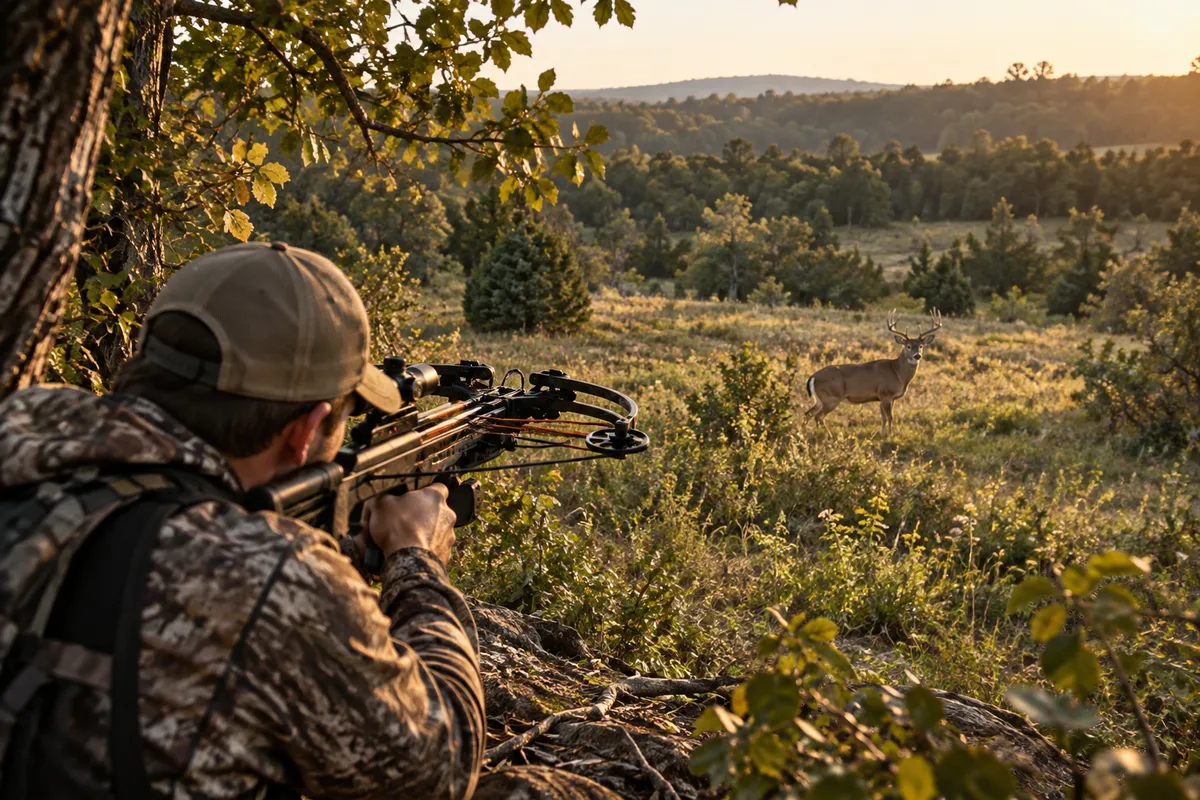
Suitability depends on the bow’s verified configuration, the archer’s proficiency, and the rules for the activity and location. For target practice, prioritize a safe range, suitable arrows, consistent form, and a setup that can be repeated. For hunting, confirm that the bow and the archer meet applicable regulations, select equipment appropriate to the lawful game and conditions, and practice with the same general configuration intended for field use. Regulations differ by jurisdiction and can change, so consult the relevant wildlife agency before a season or trip.
A bow model does not establish ethical readiness. The archer needs reliable control, a clear understanding of safe shooting angles and backgrounds, and the judgment to pass on an unsafe or uncertain shot. Practice should build consistency at realistic distances without treating a single good group as proof of field proficiency. Maintain arrows and accessories, inspect equipment before use, and secure the bow when it is not in use.
The archery and hunting hub provides a broader route to related outdoor coverage. For the Rize specifically, the sound approach is to verify the exact bow, confirm fit and condition, and judge it through safe, repeatable use—not through specifications or claims that have not been matched to its configuration.
Frequently asked questions
Is every Prime Rize bow configured the same way?
Do not assume so. Confirm the model year and configuration, then verify dimensions and adjustment details against documentation for that exact version.
Can I use another Prime bow’s setup instructions for the Rize?
Not without confirmation. Use the Rize’s own manual or manufacturer guidance, and ask a qualified bow technician if the model or procedure is uncertain.
What should I do if a Rize bow has damaged strings or limbs?
Do not draw or shoot it. Have a qualified bow technician inspect it and determine what service is needed.
Sources & further information
Consult these primary sources for current regulations, technical information and local guidance.