Honored American Veterans Afield: What a Sponsorship Claim Can—and Cannot—Tell You
A legacy headline links Glock with Honored American Veterans Afield, but a URL alone cannot verify a sponsorship or explain its terms. Here’s how to check the record and evaluate veteran-focused outdoor activities with care.
The name Honored American Veterans Afield appears in a legacy headline connecting Glock and a veteran-focused outdoor effort. That wording is a starting point, not confirmation: a URL cannot establish whether a sponsorship occurred, when it happened, what it covered, or whether any relationship continues. Readers should verify those details through primary records before repeating them.
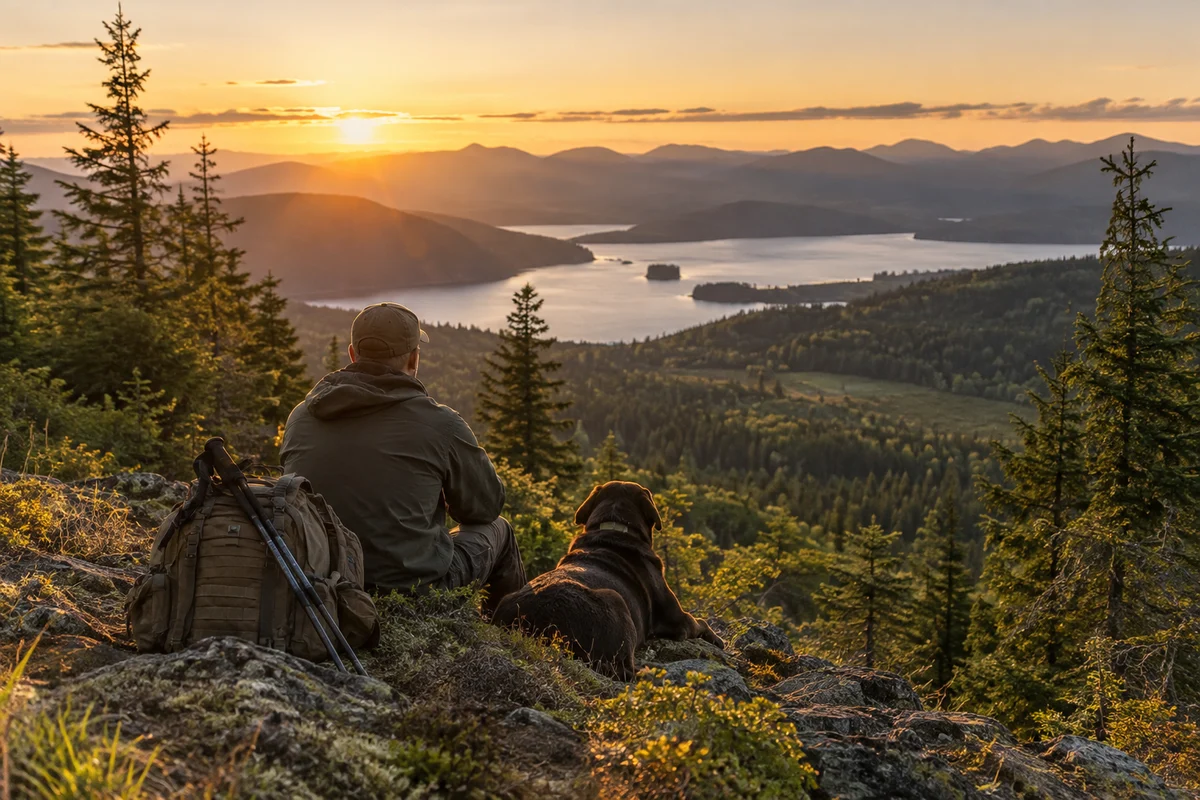
The broader subject is worth understanding even without assuming the headline is accurate. Outdoor programs can introduce veterans to fishing, hunting, conservation, and time outside, while firearm-related activities call for careful safety and legal awareness. This guide separates what can be responsibly said from what still needs evidence.
What does the name Honored American Veterans Afield tell us?
The name signals a connection between veterans and outdoor activities. It does not, on its own, establish the initiative’s legal status, current operations, leadership, services, or history. Nor does a headline prove a company’s role. Those details require reliable, dated documentation from the organization or the company involved.
That distinction matters because sponsorship can mean several different things: financial support, donated equipment, event assistance, or a limited partnership. Those possibilities are not interchangeable, and none should be attributed to a specific organization without a source that states the terms. A past announcement, if located, also would not prove that support remains active today.
For a careful overview of related outdoor and conservation coverage, see the ODU Magazine conservation headlines hub. The hub provides context across topics; it is not evidence for a particular sponsorship claim.
How can readers verify a sponsorship headline?
Start with primary sources rather than reposts. Check whether the organization named in the headline has an official website or public communication describing the relationship. Then look for a matching statement from the company, preferably with a publication date and enough detail to identify the scope of support. An event page or archived announcement can help establish what happened at a particular time, but it should not be treated as proof of a current arrangement.
Use a short verification checklist:
- Identify the exact parties. Confirm that the names refer to the organizations meant by the headline, not similarly named groups or unrelated projects.
- Find the original statement. Search official organizational channels and company communications; a third-party summary is a lead, not the final source.
- Record the date and scope. Note whether the statement concerns one event, a broader program, or another form of support.
- Look for independent corroboration. Credible reporting or public records may add context, especially if the relationship has changed.
- Keep uncertainty visible. If the original evidence cannot be found, describe the claim as unverified rather than repeating it as fact.
A name, logo, or old page captured elsewhere is not enough to establish endorsement or continuing affiliation. Do not infer that a veteran organization supports every product or activity associated with a corporate sponsor.
What can veteran-focused outdoor activities offer?
Fishing, wildlife observation, conservation volunteering, and lawful hunting can all provide structured ways to spend time outdoors. The benefits and suitability vary by person and program; no single activity should be presented as a treatment or a guaranteed outcome. A responsible program makes participation voluntary, describes what an outing involves, and offers alternatives for people who do not want to take part in a particular activity.
Practical questions are more useful than broad promises. Ask who organizes an outing, what training and supervision are provided, whether participants can choose a non-firearm activity, and how accessibility, transportation, and safety needs are handled. For hunting events, ask how licensing, season rules, and local requirements are addressed. For fishing, check current rules with the relevant wildlife agency. Program details can vary by location and date, so general descriptions are not a substitute for local requirements.
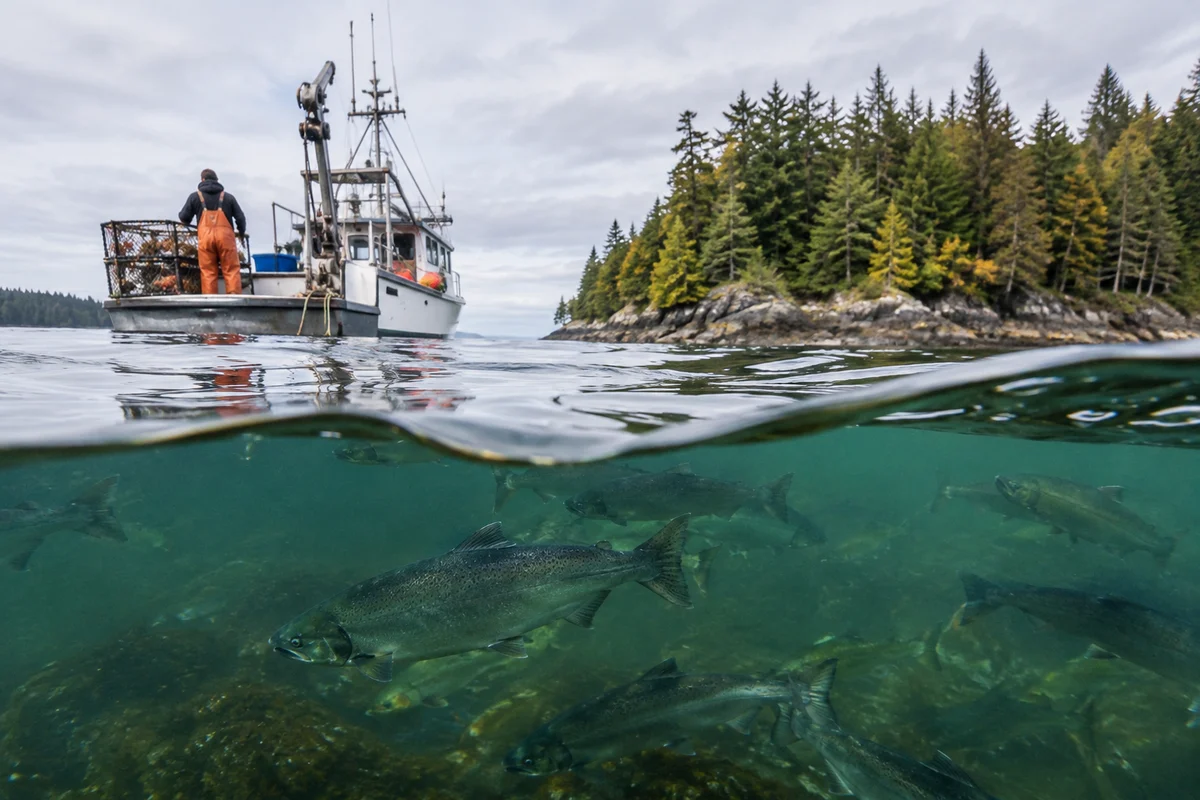
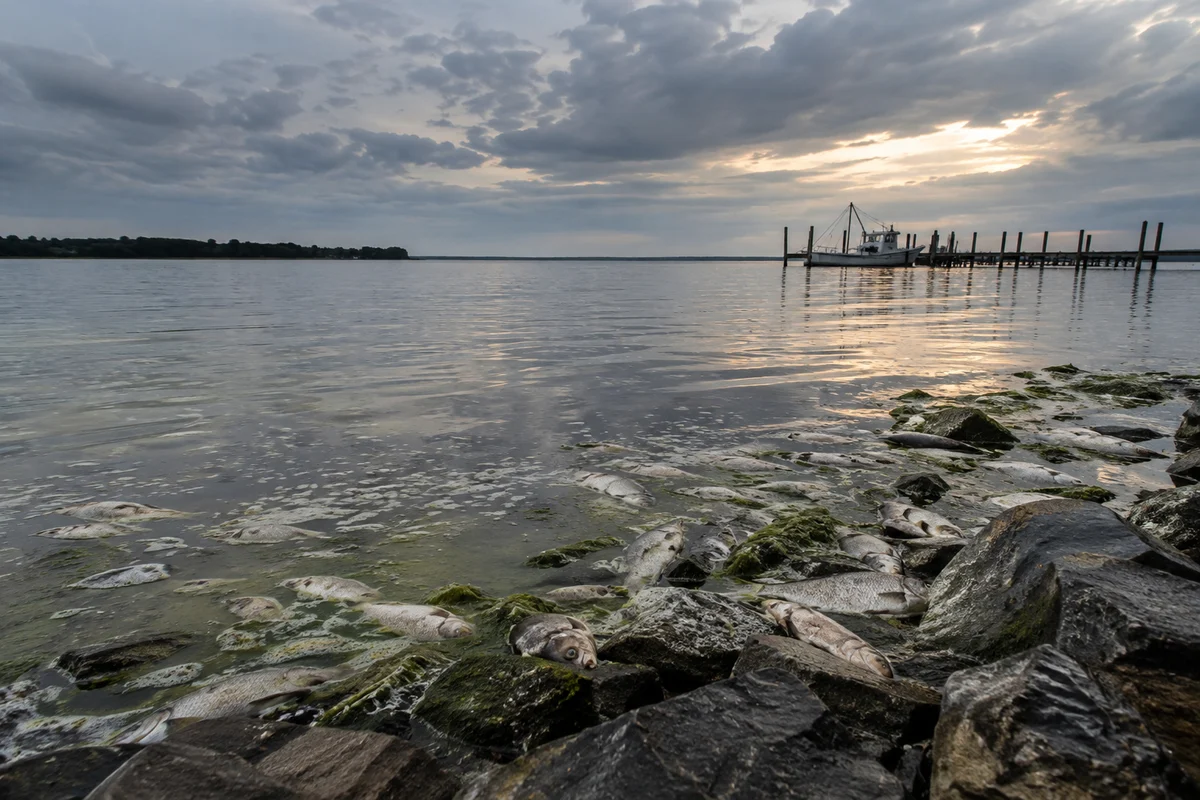
Outdoor participation can also connect people with stewardship. Readers interested in conservation issues can explore ODU Magazine’s coverage of efforts to combat illegal fishing and ideas for cleaning up the ocean. These topics illustrate that outdoor recreation and environmental responsibility often overlap, while remaining separate from any claim about HAVA or Glock.
What should firearm-related activities communicate about safety?
Any program involving firearms should make safety central, explain the activity in advance, and respect a participant’s decision not to handle or be near a firearm. Firearms should be treated as potentially dangerous at all times. Secure storage, appropriate adult supervision, and compliance with applicable laws are essential considerations. This is general awareness, not a substitute for qualified instruction or jurisdiction-specific legal guidance.
A responsible description should clarify whether firearms are part of an activity at all, who oversees safety, what protective measures apply, and how secure storage is handled before and after an event. It should avoid suggesting that a person must participate to belong or benefit. For background on safety standards and resources, consult the Sporting Arms and Ammunition Manufacturers’ Institute (SAAMI); for a specific event, ask its organizers about their written procedures and qualified supervision.
Laws governing possession, transport, hunting, and use differ by jurisdiction and can change. Participants should consult the relevant state wildlife agency and official legal resources before taking part. A general article or promotional statement cannot determine whether a particular person may lawfully participate in a particular place or activity.
How should readers understand the Glock connection?
The legacy path associates Glock with Honored American Veterans Afield, but the path alone does not verify what the connection was. It is not responsible to state that Glock sponsored, funded, endorsed, or currently supports a program without a reliable source confirming that specific point. If an original announcement is found, quote its meaning narrowly: identify the date, the stated form of support, and any limitations, without turning a dated relationship into a present-tense claim.
The same care applies to the organization’s current status. Do not assume that a group remains active, that a past event is recurring, or that contact details found on an old page are current. Seek recent primary information and confirm it directly before making arrangements. Where verification is unavailable, say so plainly.
What is the most responsible takeaway?
Treat the headline as a prompt to investigate, not as proof. Confirm the organizations, locate original dated statements, distinguish a one-time contribution from an ongoing relationship, and avoid attributing views or endorsements that the evidence does not support. Separately assess any outdoor program on its actual activities, accessibility, supervision, safety policies, and legal requirements.
That approach preserves the useful subject—veterans’ access to outdoor experiences—without inventing facts about a named group or sponsor. It also keeps safety and conservation in view, whether an outing involves fishing, wildlife, or lawful hunting. When documentation is missing, an honest account of what remains unknown is more useful than a confident but unsupported claim.
Frequently asked questions
Does the legacy headline prove that Glock sponsored Honored American Veterans Afield?
No. A URL or headline does not verify a sponsorship, its date, its scope, or whether it continues. Look for dated primary statements from the named organization and company; if those cannot be found, treat the claim as unverified.
What should participants ask about a veteran-focused outdoor program?
Ask who organizes it, what activities are included, whether participation is voluntary, what accessibility and supervision are available, and how safety and applicable local rules are addressed. Confirm details directly with organizers.
Are firearm activities required for veteran outdoor programs?
Not necessarily. Activities differ by program. Ask whether firearms are involved and whether fishing, wildlife observation, conservation work, or another non-firearm option is available.
Sources & further information
Consult these primary sources for current regulations, technical information and local guidance.