Best Coyote Hunting Rifle Cartridge: A Practical Field Guide
The best coyote hunting rifle cartridge depends on where you hunt, your effective range, and whether preserving fur matters. This guide compares common options without treating any one cartridge as right for every hunter.
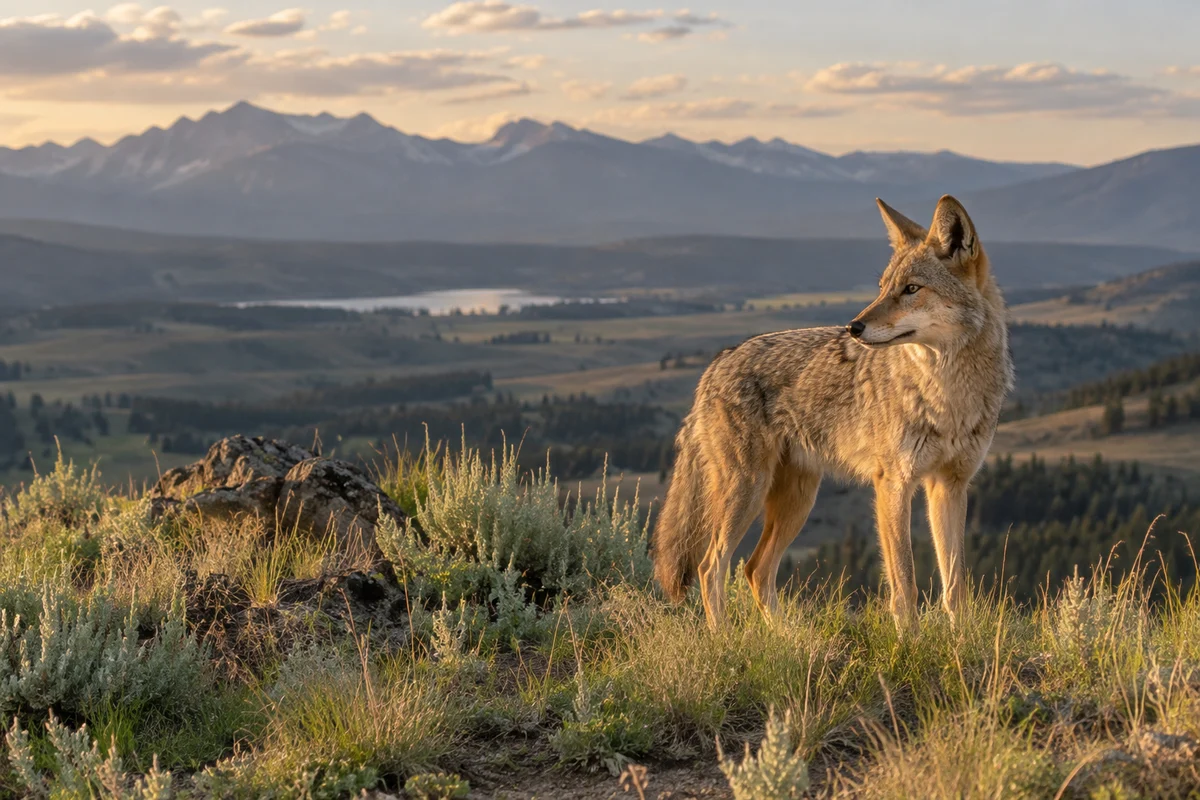
Choosing the best coyote hunting rifle cartridge is less about finding a universal winner than matching a legal, familiar, accurate setup to the places and conditions where you hunt. Coyotes may be encountered across open country, brush, farms, and wooded edges; likely distances and backstops vary just as much. A cartridge that works well for one hunter’s terrain or priorities can be a poor fit for another’s.
Start with the rifle and ammunition you can use consistently and safely, then consider recoil, bullet construction, availability, and the possibility of pelt damage. This is an informational comparison, not a promise of performance. Follow current local hunting regulations, the firearm and ammunition makers’ manuals, and safe firearm-handling practices.
What matters most when choosing a coyote cartridge?
Four considerations usually narrow the field: the distance you can positively identify and ethically take a shot, how much recoil you manage comfortably, whether you want to keep the hide, and what ammunition is suitable and readily available where you live. Your rifle’s chambering and the ammunition maker’s published guidance are essential; never assume a cartridge is appropriate because its name sounds familiar.
Range should be determined by demonstrated accuracy, visibility, wind, the animal’s position, and a safe backstop—not by a cartridge’s advertised capability. If any of those conditions are uncertain, pass on the shot. Local regulations may restrict legal cartridges, hunting methods, seasons, or the use of certain public lands, so check the relevant wildlife agency before going afield.
How do common cartridge choices compare?
The following are broad categories, not a ranking. Exact performance depends on the specific cartridge, rifle, bullet, and conditions. Consult current manufacturer information for the actual ammunition in your rifle.
| Cartridge family or example | Often considered for | Practical trade-offs to weigh |
|---|---|---|
| .223 Remington | General-purpose use where a light-recoiling, widely encountered option suits the hunter | Bullet selection matters; verify the specific load’s suitability and legal status |
| .22-250 Remington | Open-country use by hunters who already shoot it well | More recoil and report than some smaller options; ammunition and rifle fit vary |
| .243 Winchester | Hunters who may also use a rifle for other lawful game, where regulations allow | Greater potential for hide damage; assess recoil and the intended bullet carefully |
| .17-caliber centerfires | Hunters prioritizing a small projectile and familiar with their limits | Wind and conditions can complicate field use; confirm suitable ammunition and local rules |
| .22-caliber centerfires beyond .223 | Hunters comparing established chamberings and available rifles | Names and specifications differ; use the exact rifle and ammunition documentation |
These examples are familiar choices, not endorsements or a complete list. There is no dependable cartridge-only formula for predicting the result on an animal. Bullet construction and impact conditions influence terminal behavior, while shot placement and field judgment remain critical. A cartridge should not be selected solely because someone describes it as “flat shooting” or “fur friendly.”
Does fur preservation change the choice?
It can. Hunters who intend to sell or use a pelt often consider how bullet design and impact may affect the hide. But “fur-friendly” is not a guarantee: damage varies with the projectile, impact conditions, shot angle, and the animal. No cartridge or bullet choice can ensure an undamaged pelt.
If pelts matter to you, look for the ammunition manufacturer’s published description and consult experienced local fur handlers or state-level resources. Do not infer bullet construction from a product name alone. Be prepared to accept that a responsible shot may still damage a hide; humane and lawful hunting decisions come first.
For hunters using a shotgun in suitable cover, equipment choice is a separate question from rifle-cartridge selection. The Trulock predator choke overview is a related topic, but verify compatibility and use only the choke and ammunition combinations approved by their manufacturers. It is not a substitute for a rifle-cartridge comparison.
What is a useful field decision framework?
Use this sequence before settling on a cartridge or taking it hunting:
- Check the rules. Confirm season dates, legal methods, cartridge or firearm restrictions, land access, and any local requirements with the wildlife agency responsible for the area.
- Set a realistic range. Base it on repeated practice under safe conditions, not a catalog figure. Factor in wind, visibility, and whether you can clearly identify the target and background.
- Choose for your actual rifle. Use only ammunition in the exact chambering marked for the firearm, and follow the firearm and ammunition manuals. If there is any mismatch or uncertainty, ask a qualified professional before use.
- Consider recoil and report. Select a combination you can handle without flinching and use appropriate hearing protection during practice. Familiarity is more valuable than choosing a cartridge you rarely shoot.
- Decide whether pelt condition matters. If it does, research bullet construction and local experience, while recognizing that results cannot be guaranteed.
- Confirm the backstop and recovery plan. Avoid shots where a safe background is absent or where a wounded animal could be difficult to locate. Know the land boundaries and have a lawful recovery plan.
- Reassess in the field. If light, wind, distance, identification, or animal position is unfavorable, wait or pass.
This framework can rule out a poor fit more reliably than a one-size-fits-all “best” label. Keep notes from lawful practice about accuracy and comfort, and revisit the choice if your terrain or intended use changes.
How should you balance recoil, range, and versatility?
A lighter-recoiling cartridge may make practice more comfortable, but it does not remove the need to understand wind and confirm performance at the distances you intend to hunt. A cartridge with more reach on paper is not an advantage if recoil, rifle weight, or limited practice makes accurate field use less likely.
Versatility can also be misleading. Some hunters prefer one rifle for more than one lawful pursuit, but the right bullet and legal requirements can differ by species and jurisdiction. A cartridge appropriate for coyotes is not automatically suitable for deer or other game. Review the applicable regulations and ammunition maker’s guidance separately for each intended use.
Hunting preparation extends beyond equipment. A deer-season preparation checklist covers general planning habits that also apply to organizing a safe trip, such as checking rules and preparing gear. For a broader view of predator hunting topics and related reading, visit the predator hunting hub.
What safety and legal checks belong in the plan?
Keep the firearm pointed in a safe direction, treat it as loaded, identify the target and what lies beyond it, and keep your finger off the trigger until ready to shoot. Transport and store firearms in accordance with local law and the manufacturer’s instructions. Use secure storage that prevents unauthorized access, especially around children and visitors.
Rules differ by state, county, season, and land type. The U.S. Fish and Wildlife Service provides federal wildlife information, while state wildlife agencies are the primary place to confirm local hunting regulations. For predator-call context, the article on wolf calling basics addresses a different species and should not be treated as coyote-specific instruction or a substitute for local rules.
Bottom line: which cartridge is best for you?
The best coyote hunting rifle cartridge is the one that is legal for your hunt, compatible with your rifle, comfortable enough for consistent practice, and suited to your realistic field conditions. For many hunters, familiar mainstream options such as .223 Remington or .22-250 Remington merit comparison, while other chamberings may fit particular needs. That does not make any one option universally superior.
Choose based on verified rifle and ammunition information, local regulation, safe practice, and honest limits on range. If you cannot identify the animal, ensure a safe backstop, or make a responsible shot, do not shoot. A careful decision is more useful than chasing a cartridge reputation.
Frequently asked questions
Is .223 Remington a reasonable coyote cartridge?
It is a commonly considered option, but suitability depends on the specific rifle, ammunition, local regulations, and the hunter’s demonstrated ability. Check manufacturer guidance and set a conservative effective range.
Is a smaller cartridge always better for preserving fur?
No. Pelt damage depends on projectile construction and impact conditions, among other factors. No cartridge guarantees a clean hide; humane and lawful shot decisions take priority.
Can one rifle cartridge work for coyotes and deer?
Possibly, depending on the cartridge, ammunition, rifle, and local minimum requirements, but do not assume it is legal or suitable for both. Check each species’ regulations and the ammunition manufacturer’s guidance before hunting.
Sources & further information
Consult these primary sources for current regulations, technical information and local guidance.