Catfishing Tips and Techniques for a More Productive Day
A practical guide to locating catfish, adapting bait and rigs to conditions, and making thoughtful adjustments when a spot goes quiet. Learn how to plan for channel, blue, and flathead catfish while keeping safety and local rules in view.
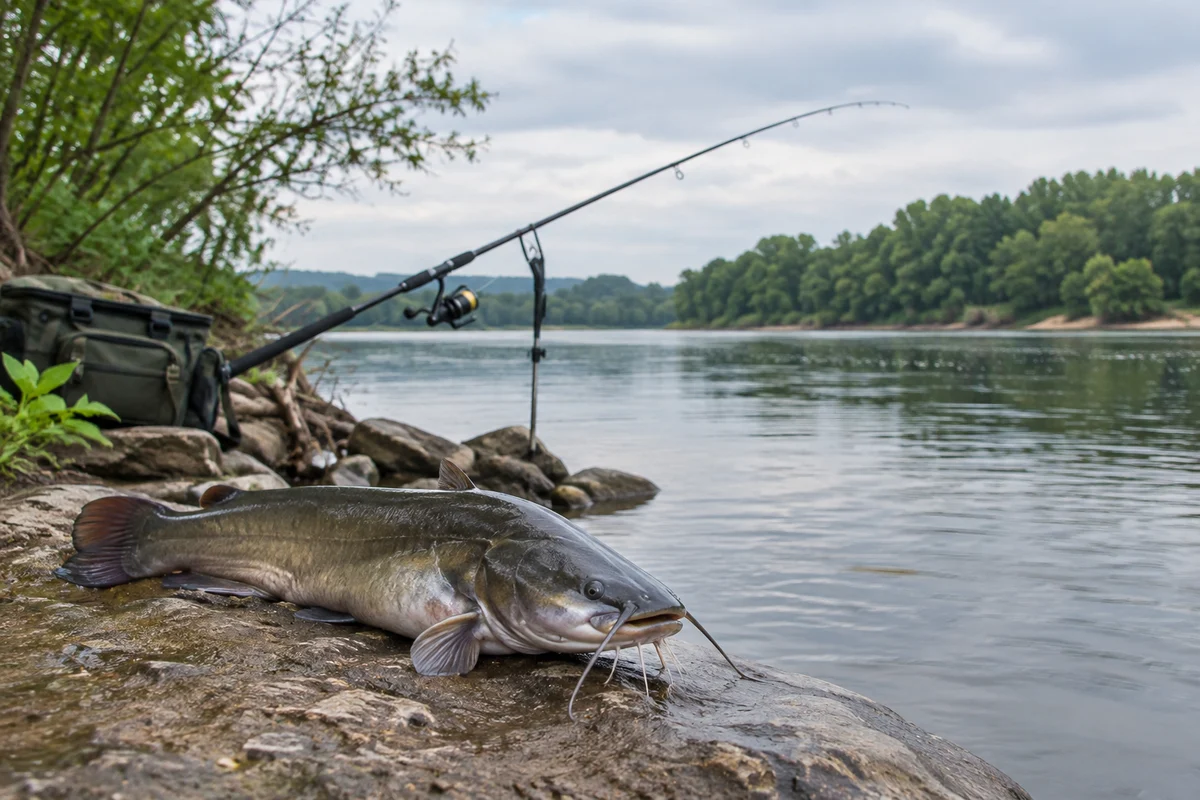
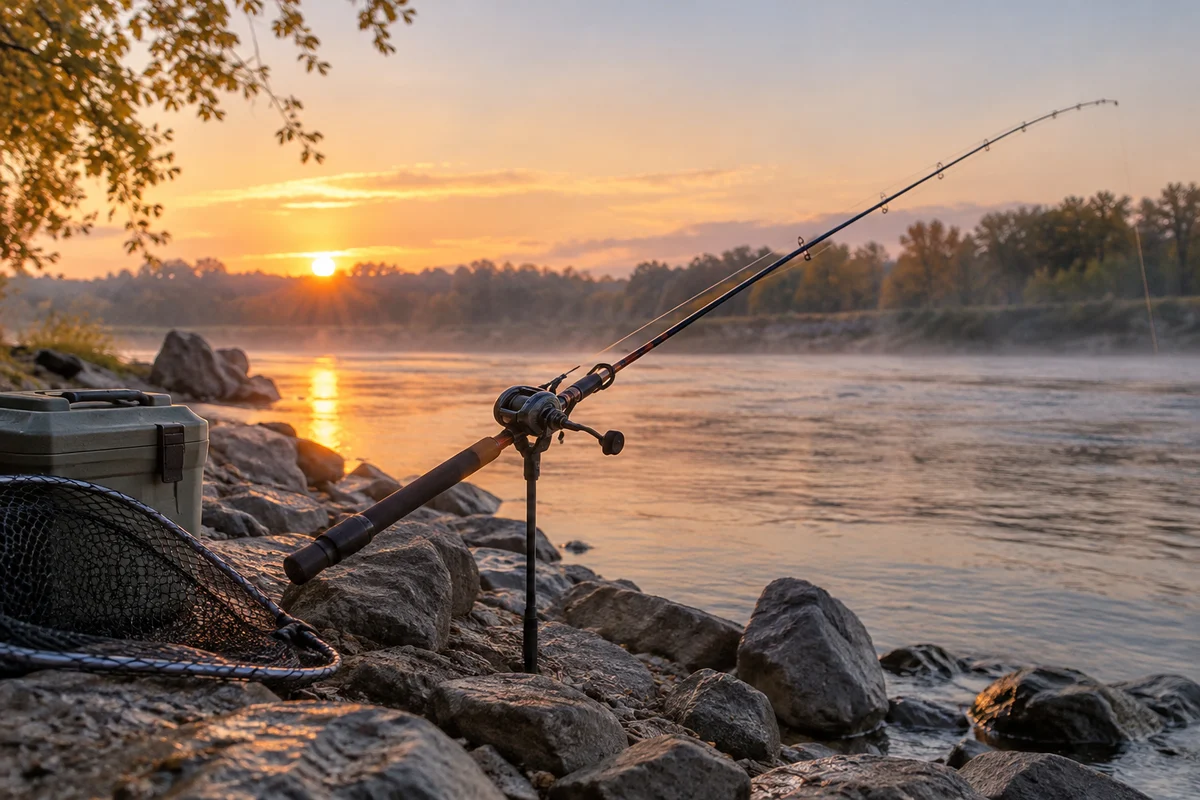
Catfishing tips and techniques work best when they begin with the water, not the tackle box. Catfish are adaptable, but the places they use, their feeding windows, and the best presentation can change with species, season, current, and water level. A thoughtful plan—identify likely habitat, make a simple first presentation, then adjust one variable at a time—usually teaches you more than changing everything at once.
Before heading out, check local fishing regulations for seasons, licenses, size limits, daily limits, permitted gear, and any rules about bait or set lines. Regulations vary by location and can change. This guide offers general angling advice, not a guarantee of a catch; local conditions and fish behavior remain uncertain.
Start by identifying the catfish and the water
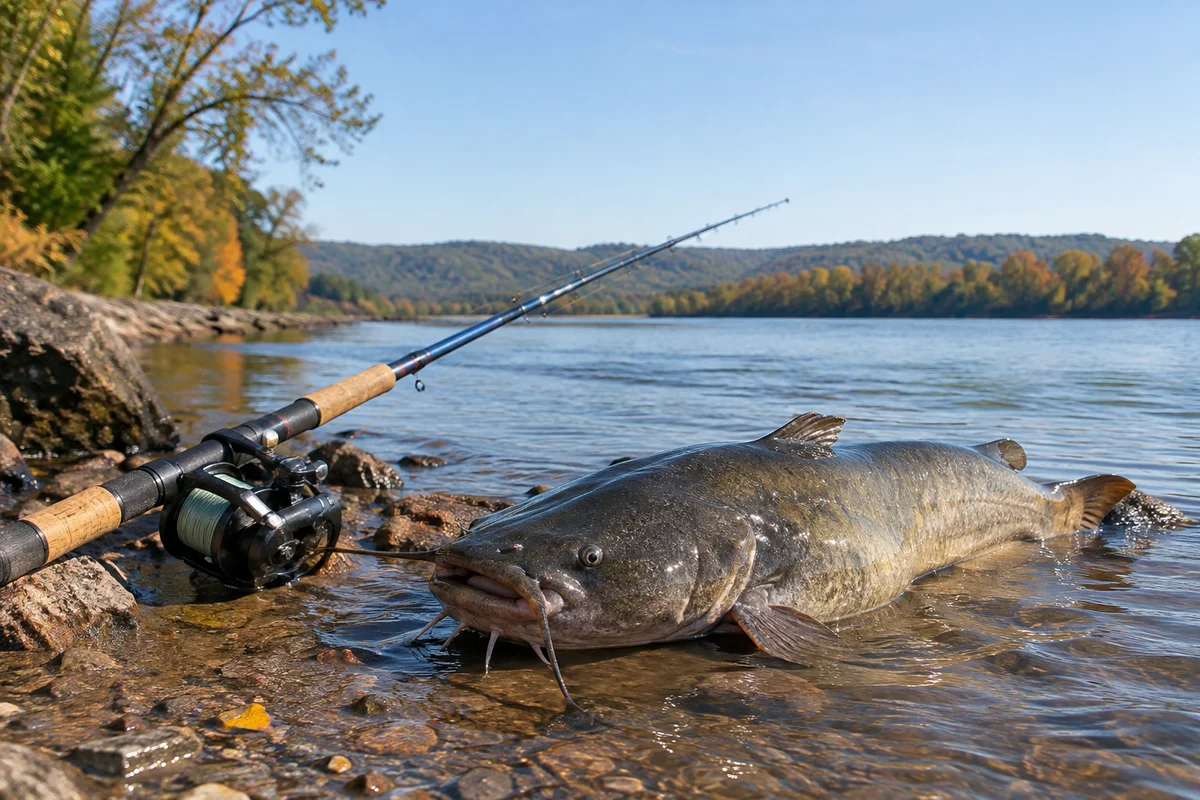
Channel, blue, and flathead catfish overlap in some waters, but their habits are not identical. Channel cats often take a range of natural baits and may feed in shallower areas, especially when conditions are favorable. Blue catfish are strongly associated with larger rivers and reservoirs in many parts of their range, where current breaks, channels, and forage can matter. Flatheads commonly favor cover and live prey. These are tendencies, not rules: a lake, river, or season can produce exceptions.
Use a map, shoreline contours, current, and visible structure to create a short list of places to investigate. On a river, look for seams where fast and slow water meet, outside bends, deeper runs, and protected pockets near current. In a reservoir, consider creek channels, points, submerged timber, and transitions from shallow flats to deeper water. In a pond, drains, weed edges, and the deepest accessible basin may be worthwhile starting places.
Structure is not automatically productive. A logjam can hold fish but also snag line; a deep hole can look promising yet have little forage or oxygen at a particular time. Choose a position that lets you fish safely and present bait without casting into hazards. For more species-specific starting ideas, see our guide to how to catch catfish.
Choose bait for the species and conditions
Bait choice depends on local forage, regulations, water temperature, and the fish you are targeting. Common legal options include prepared or cut baits for channel and blue catfish, while anglers targeting flatheads often use live bait where lawful. A familiar bait is not necessarily the best choice everywhere. Ask a local bait shop or consult a state wildlife agency for regional guidance, and verify that transporting or using a bait species is legal.
A useful approach is to begin with one bait that makes sense for the target species and water. If bites are absent, change one factor—such as location, depth, bait size, or time spent in the spot—rather than switching bait, rig, and location simultaneously. That preserves a useful clue about what changed.
Freshness and presentation matter. Keep bait secured and appropriately cool, use a size that fits the hook and expected fish, and avoid burying the point in a way that prevents a clean hook-up. Handle bait and fish with clean hands when possible; wash up afterward, especially before eating. Our overview of catfish bait offers another angle on matching bait to a fishing plan.
Match tackle to the place you are fishing
You do not need specialized gear for every situation. Choose a rod, reel, line, and hook that can manage the fish you may encounter and the cover you must fish around. A light setup can be pleasant in open water but frustrating near heavy timber or strong current. A very heavy setup may be cumbersome when smaller fish are the main target.
Use a secure knot and inspect the line for abrasion, weak spots, and damage after contact with rocks, shells, or branches. Keep the drag set so a fish can take line without a sudden break, while retaining enough control to steer it away from hazards. Check hooks for sharpness and corrosion, and replace damaged terminal tackle. If you are comparing setups, our guide to catfish rod and reel combos discusses the practical role of a balanced outfit.
The rig should suit the bottom and current. A simple sliding-sinker arrangement can let a fish move with less resistance in some situations; a fixed or more direct arrangement may be easier to manage in others. In snaggy water, a simpler rig can reduce lost tackle. Use only methods and gear permitted by local rules, and avoid leaving unattended lines unless the regulations explicitly allow it and you can comply with all requirements.
| Situation | First adjustment to consider | Why it may help |
|---|---|---|
| Strong current | Use a sinker that holds without burying the rig in debris | Keeps bait near the intended area |
| Snags or timber | Shorten the cast, simplify the rig, or fish a safer edge | Reduces lost tackle and break-offs |
| Quiet, shallow water | Make a careful approach and minimize shoreline noise | Limits avoidable disturbance |
| No bites after a reasonable wait | Move to a nearby depth or current seam | Tests location before changing everything |
| Unfamiliar bait rules | Check the local agency's current regulations | Prevents use of prohibited bait or methods |
Read conditions and adjust methodically
Water temperature, flow, clarity, and level can all change where catfish feed. A rising river may open access to newly flooded edges, while high flow can make some banks unsafe and push fish toward calmer holding water. Falling water can concentrate fish along channels or at remaining cover. In clear, quiet conditions, a less conspicuous approach may be useful; in stained water, scent and a bait's position may matter more. Treat these as hypotheses to test, not universal formulas.
Wind can push surface food and small forage toward a bank, but it can also make boat control and casting difficult. Current can carry scent downstream and influence how a bait settles. If fishing from shore, watch for changing water and slippery footing. If boating, wear a properly fitted life jacket and follow navigation and weather guidance. Do not wade into unfamiliar current or near sudden drop-offs just to reach a promising-looking spot.
Keep notes on location, time, water level, weather, bait, and depth. You do not need elaborate equipment: a few observations in a phone or notebook can reveal patterns across trips. If a spot is quiet, move a manageable distance and change only one variable. If bites begin, repeat the successful presentation before making another adjustment.
Set the hook, land, and handle fish carefully
Hook-setting depends on the rig, hook style, and how a fish takes the bait. With a circle hook, a steady lift or reel-in can help the hook rotate into position; a sharp, forceful snap may pull it free. With other hook styles, a controlled hook set may be appropriate. Follow the hook maker's guidance and local rules, and keep fingers clear of the line and hook.
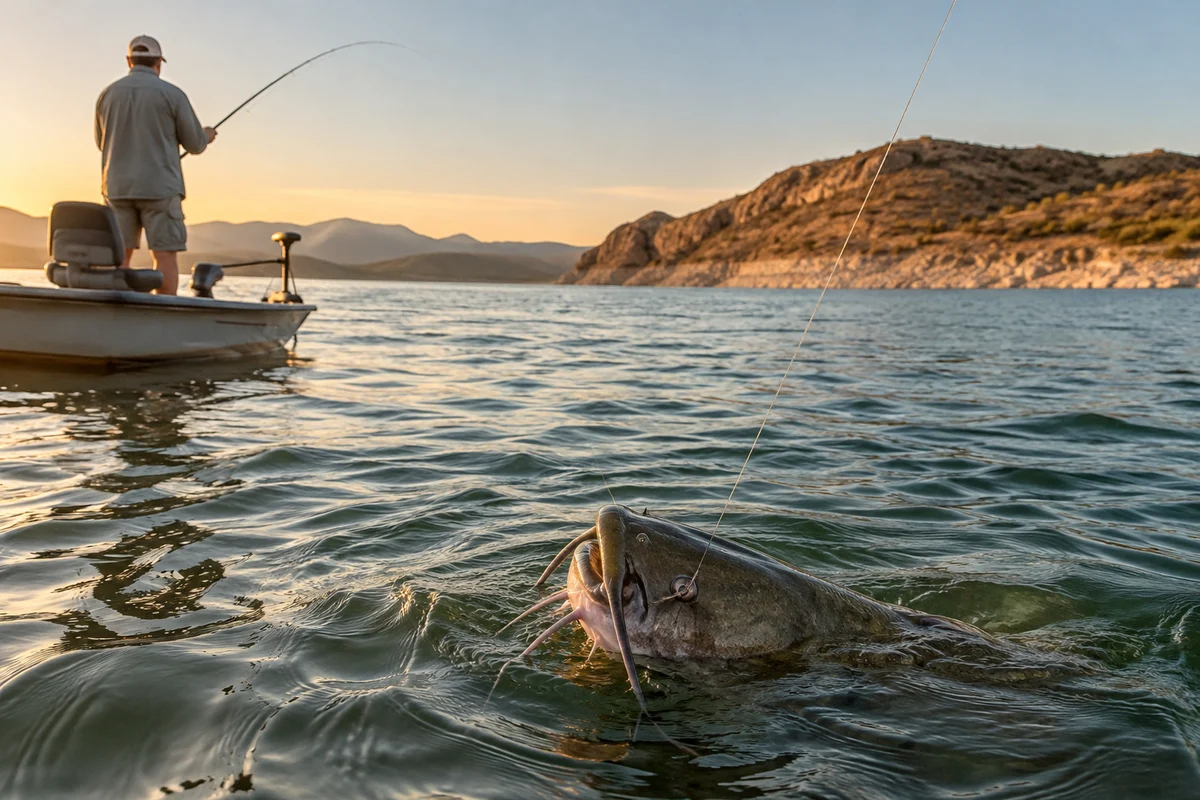
Once connected, maintain steady pressure rather than pumping wildly. Turn the fish away from snags when possible, but avoid locking the drag so tightly that the line or rod is overloaded. Bring a landing net or suitable gripping tool when appropriate, and keep the fish low over the water while handling it. Catfish spines can puncture skin; learn safe handling for the species and size in your area, and do not grab a fish carelessly around its fins.
If releasing the fish, prepare tools before landing it, wet your hands, minimize time out of water, and support its body horizontally. Remove the hook gently when possible. If it is deeply lodged, cutting the line close to the hook may be less harmful than prolonged handling, subject to local guidance. For more detail, see our article on catch and release catfish. Keep only fish that are legal to harvest and that you can use; handle any retained catch in accordance with food-safety guidance.
A simple trip-planning checklist
- Confirm license, limits, seasons, bait rules, and allowed methods with the relevant wildlife agency.
- Identify the likely species and choose one sensible bait and a balanced tackle setup.
- Mark two or three safe locations with different depths, cover, or current conditions.
- Pack pliers or a dehooking tool, a measuring device if needed, a landing net, and a first-aid kit.
- Check weather and water conditions; wear a life jacket when boating and avoid unsafe banks or current.
- Record what worked, what did not, and the conditions so the next trip starts with evidence.
Make the next adjustment count
The most useful catfishing tips and techniques are repeatable: fish likely habitat, use a presentation suited to the target and conditions, and make deliberate adjustments. A quiet stretch is information, too. It may mean the fish are elsewhere, the bait is poorly placed, or conditions have changed—not necessarily that you need a more complicated rig.
Treat local regulations and safety as part of the plan, not an afterthought. With a few observations and a willingness to move, anglers can make each outing more informative, whether the goal is a first catfish or a better understanding of a familiar waterway.
For more, explore our catfish fishing guides.
Frequently asked questions
What is a good bait to start catfishing with?
Choose a legal bait suited to the local species and fishery. Prepared or cut baits are common starting options for channel and blue catfish; live bait may suit flatheads where regulations allow.
Where should I look for catfish in a river?
Start by checking current seams, deeper runs, outside bends, and calmer pockets near structure. Conditions and species vary, so test a few safe locations rather than assuming one feature always holds fish.
How long should I wait before moving to another catfish spot?
There is no universal wait time. Give a presentation a reasonable opportunity, then move or adjust one factor—such as depth or location—and note what changed.
How can I release a catfish safely?
Prepare tools before landing it, wet your hands, support the fish horizontally, and minimize time out of water. Learn safe handling for local species because fin spines can puncture skin.
Sources & further information
Consult these primary sources for current regulations, technical information and local guidance.