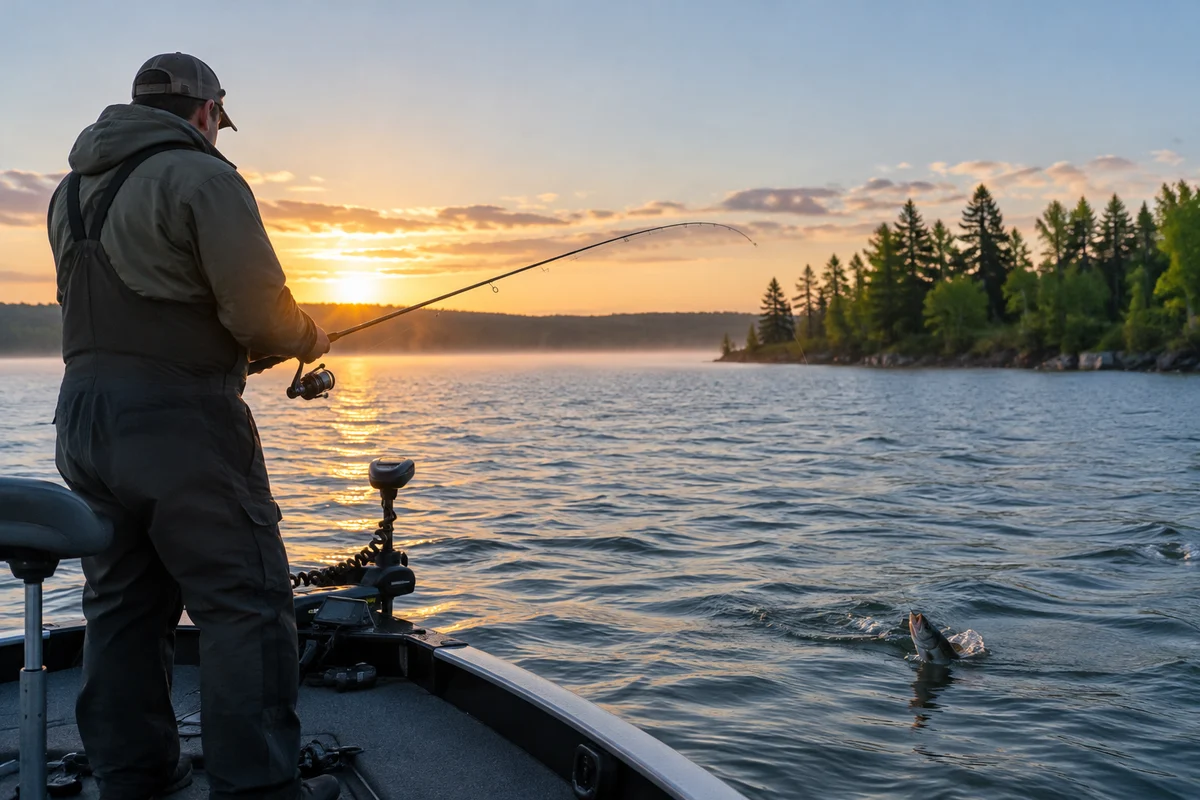
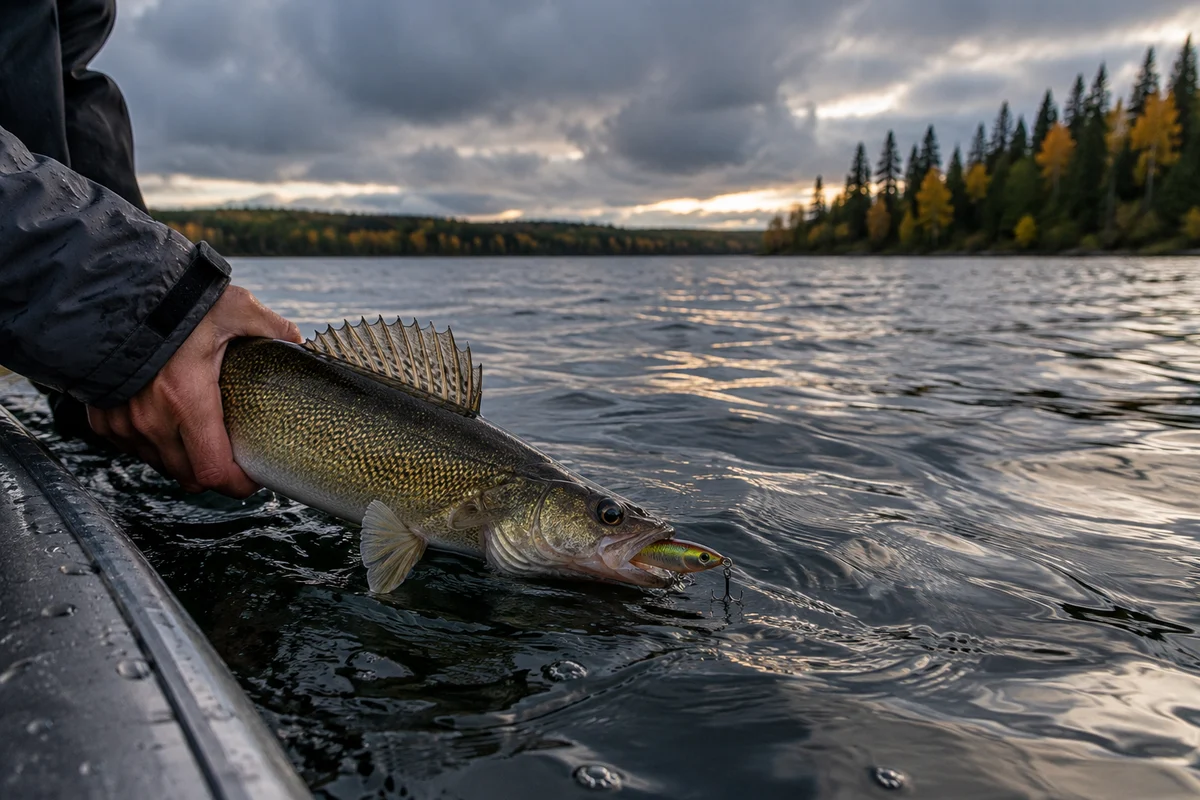
Custom Colored Rippin Raps Walleye: A Practical Guide
Custom paint can help a lipless bait stand out, but presentation and location matter more. Use this practical framework to test color, depth and retrieve for walleye.
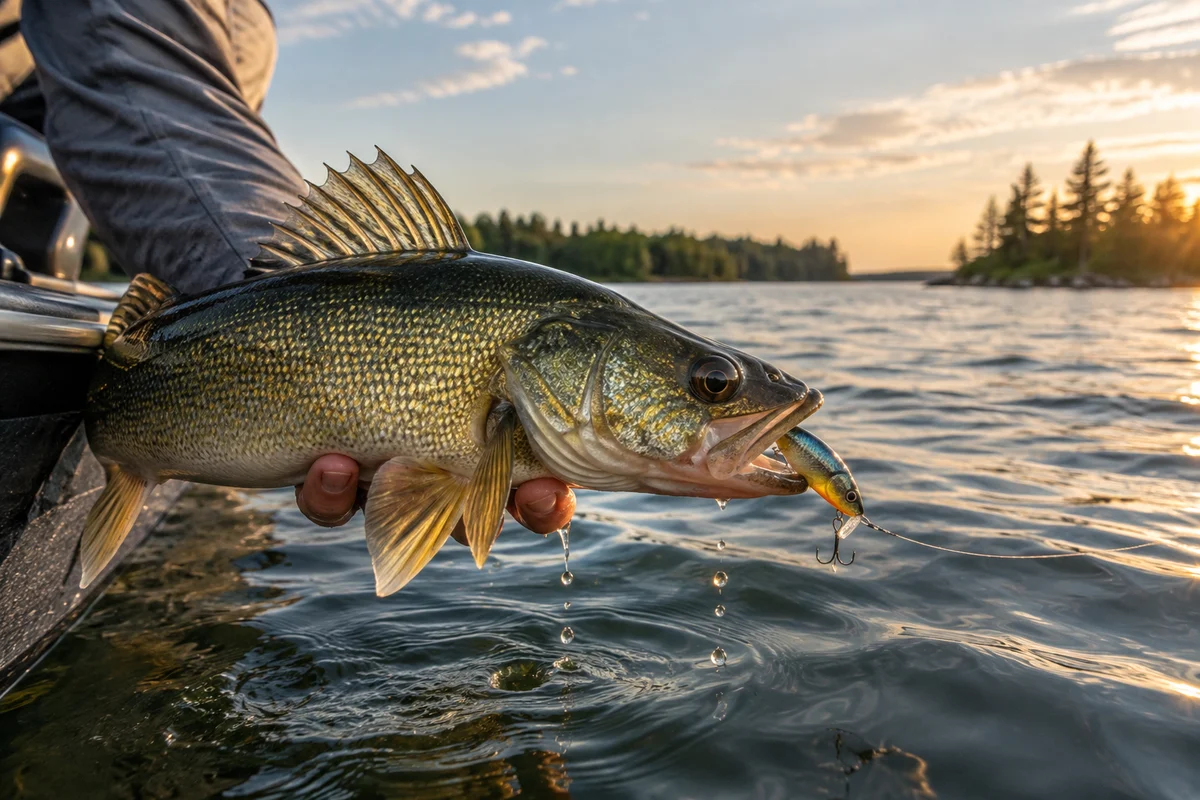
Custom colored rippin raps walleye anglers choose are best treated as tools for testing contrast and visibility—not as guaranteed fish-catchers. A distinctive finish can help you compare silhouettes in changing light or water clarity, but depth, bait location, speed and fish activity usually determine whether a lure gets noticed. Start with a controlled plan: choose a likely zone, use a familiar retrieve, then change one variable at a time. That makes each outing more informative and keeps custom paint from becoming a substitute for reading conditions.
What custom color can—and cannot—change
A custom finish may alter how a lure appears from different angles. Bright or reflective surfaces can be conspicuous, while subdued patterns may blend more naturally with local forage or stained water. The same color can look different in sunlight, cloud cover, deeper water and turbid conditions, so there is no universal “best” pattern.
Color does not change where walleye are holding, how deep the lure runs, or whether fish are feeding. Nor does a striking paint scheme prove that a lure will outperform a standard finish. Think of custom color as one variable in a fishing experiment. Keep the lure size and retrieve consistent while comparing two finishes, and note the conditions rather than relying on memory.
Use legal, commercially made tackle and check the maker’s guidance for the particular lure. Custom work should not compromise hooks, split rings, balance or any moving parts. If a coating chips or a component loosens, stop fishing it until it can be safely replaced or repaired according to the manufacturer’s instructions.
Match visibility to water and light
In clear water, a natural-looking or moderate-contrast finish can be a sensible first test, particularly under bright skies when fish may see a lure from farther away. In stained water, a stronger silhouette or brighter accent may be easier to detect. But visibility is not simply “bright is better”: a highly reflective bait can look different in direct sun than it does beneath cloud or shade.
Consider three observations before selecting a color:
- Water clarity: Can you see the lure or bottom at a modest distance from shore or boat? If visibility is limited, test a more distinct outline.
- Light: A clear midday sky, overcast afternoon and low-light period may change the lure’s flash and contrast.
- Forage and surroundings: Local baitfish, vegetation, rock and sediment offer useful context. Match the general impression, not an imagined exact color code.
A useful approach is to begin with a finish that is visible but not radically different from the local environment. If fish follow without striking, try a second finish with a clearer contrast. If there are no signs of fish, changing paint repeatedly may distract from the more important task of finding them.
Choose a depth and location before changing colors
Rippin’ Rap-style lipless baits are often fished with casts and a lift-and-fall or steady retrieve, but the lure’s actual behavior depends on its model and how it is worked. Check the maker’s specifications rather than assuming that every size or version reaches the same depth. On a new waterbody, start where you can control the presentation and avoid dragging the lure through snags.
Walleye location changes with season, temperature, forage and local structure. Points, breaks, weed edges and transitions can be worth investigating, but none is a guaranteed holding spot. Use sonar, a map and visible shoreline features where available, and follow local access and fishing rules. Cover a manageable stretch systematically instead of making repeated casts to one unproductive patch.
Keep a simple record of depth, location, clarity, light, retrieve and any follows or strikes. This gives a custom-color comparison some meaning: two finishes fished at different depths or speeds are not a fair test. For additional freshwater ideas, browse more walleye fishing coverage.
Work a controlled retrieve
A steady retrieve is a useful baseline because it helps you judge the lure’s action and maintain a consistent depth. If fish are not responding, try a measured lift-and-fall or brief pauses, while keeping the lure clear of hazards. Avoid making several changes at once. For example, change cadence first; if that does not help, return to the baseline and compare a different finish.
A practical sequence looks like this:
- Begin with a safe, snag-conscious route and a steady retrieve.
- Repeat several casts along a similar depth and angle.
- Vary pace or add a controlled lift-and-fall, watching for follows or contact.
- Change color only after the location and retrieve have had a reasonable, consistent test.
- If there is still no response, move to a new depth or structure rather than endlessly swapping paint schemes.
This is not a promise of a catch. It is a way to distinguish a color preference from a location or presentation problem. When fishing from a boat, keep casts clear of people, lines and nearby vessels. Handle hooks with care, and use appropriate tools to release fish promptly when required.
When a blade bait or jig makes more sense
A lipless crankbait is only one option. If fish are holding deeper or responding poorly to a fast-moving search bait, a slower or more vertical presentation may be easier to control. The right choice depends on depth, current, cover, wind and your ability to maintain contact without snagging.
For cooler-season options, compare the approach in blade baits for fall walleye. When you want to work a controlled presentation along a drift, see drift jigging for walleye. These are alternatives, not rules: a moving bait can still be productive in cool water, and a jig can be difficult to present well in wind or heavy current.
If you switch lures, take care not to compare unlike situations. A blade bait fished vertically in deeper water and a lipless bait cast across a shallow flat are testing different locations and actions as well as different colors. Record what changed so the result helps on a future trip.
Avoid common custom-color mistakes
The first mistake is carrying many patterns but fishing each for only a few casts. That produces little useful information. Choose a small set with distinct visibility—perhaps a natural finish, a brighter contrast and a reflective option—and fish each under comparable conditions.
The second is treating a color name as a reliable description of what fish see. Paint, lighting, water color and viewing angle all affect appearance. The third is assuming that a following fish proves the color is right; it may be responding to the retrieve or simply inspecting the lure. Note the whole encounter and test a controlled change.
Finally, inspect tackle regularly. Check hooks, attachment points and line for wear, and follow the product maker’s care and safety directions. Follow current local rules for seasons, limits, bait and protected waters; regulations can vary by jurisdiction and change over time. State wildlife agencies are the appropriate place to confirm local requirements.
A simple plan for the next trip
Choose a target area and a depth range before selecting a custom finish. Start with a familiar lure action, then compare only a few clearly different colors while holding other conditions as steady as practical. If visibility changes with weather or water, reassess the finish, but do not let color decisions delay a move when fish are absent.
The useful question is not whether one custom pattern is universally superior. It is whether that finish helps you present a suitable bait in the conditions you are actually fishing. A deliberate test, sound tackle and attention to location make the answer more reliable—and make each trip useful even when the fish do not cooperate.
Frequently asked questions
Do custom colors catch more walleye than standard finishes?
There is no universal advantage. A custom finish may improve contrast or visibility in particular conditions, but location, depth and retrieve also matter. Compare finishes under similar conditions rather than assuming paint alone caused a result.
What color should I use in stained water?
Start with a finish that creates a recognizable silhouette or contrast, then adjust based on light and observed fish response. Water color and visibility differ from lake to lake, so treat this as a starting point rather than a fixed rule.
Should I change color when walleye follow but do not strike?
First consider a modest retrieve change or a pause, keeping the lure in the same zone. If fish continue to follow without striking, test a contrasting finish while holding the presentation steady. A follow is useful information, not proof that color is the only issue.
Sources & further information
Consult these primary sources for current regulations, technical information and local guidance.