NRA-ILA Sweepstakes: How to Read an Alert Carefully
The phrase “NRA-ILA sweepstakes” is not enough to verify that a particular drawing is current or legitimate. Learn how to find its official rules, evaluate eligibility and privacy terms, and separate an advocacy alert from the details that govern an event.
What does “NRA-ILA sweepstakes” mean?
“NRA-ILA sweepstakes” is a search phrase that may lead to an alert, an archived notice, a discussion, or a page about a drawing. The phrase alone does not establish that a specific sweepstakes exists now, that entries are open, or that a notice is authentic. Treat it as a starting point for checking the source and the rules—not as confirmation of an active event.
NRA-ILA is associated with advocacy and legislative communications. A message from an advocacy organization may discuss policy, invite readers to follow an issue, or point to another page. Those functions are distinct from the official terms of a sweepstakes. If an alert mentions a drawing, look for a separate rules document or clearly identified official page that explains how the event works.
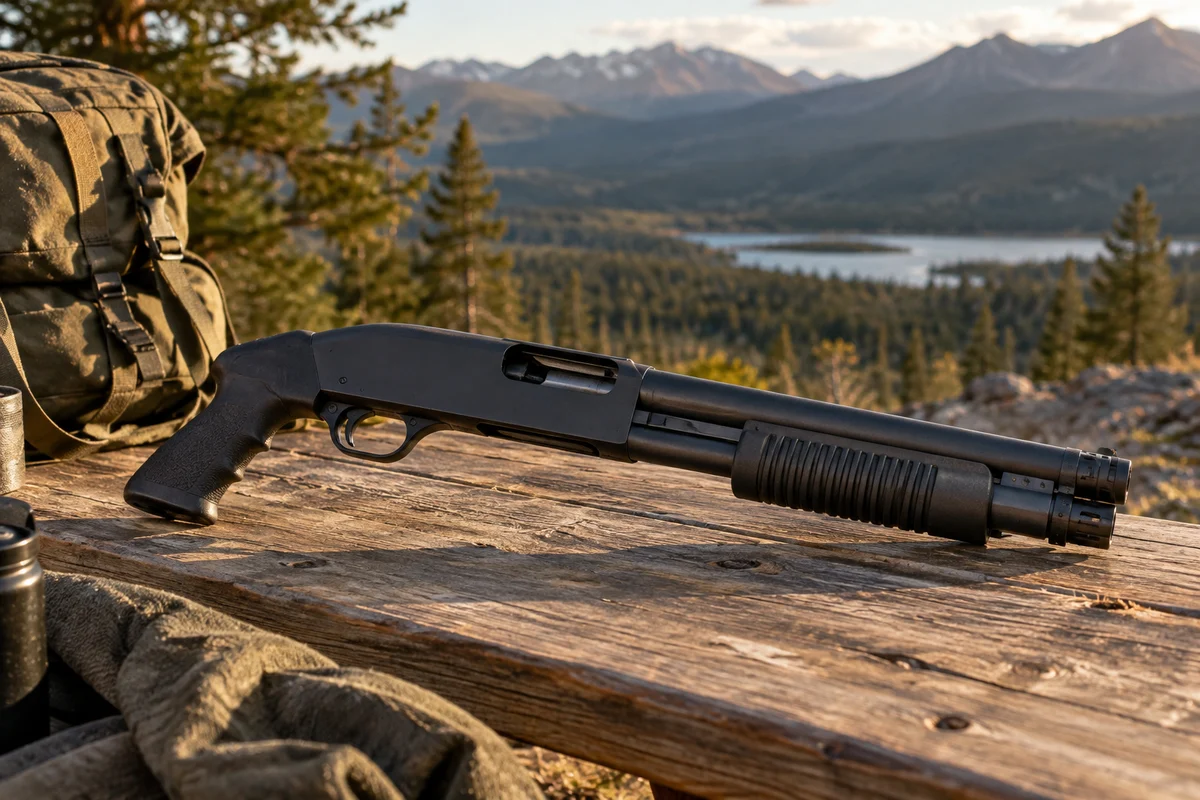
This distinction matters especially when an announcement refers to firearm-related equipment or a firearm as a possible prize. An informational overview of the subject belongs in ODU Magazine’s guns topic hub; the hub is separate from, and cannot verify, the terms of any promotion.
How can you verify a particular notice?
Start with the exact page or message you encountered. Check who published it, whether the organization’s name and web address are spelled consistently, and whether the link leads to a page controlled by the stated organizer. A forwarded message, screenshot, social post, or search-result excerpt can omit context or preserve a notice long after its original purpose has passed.
Next, locate the official rules. A complete set should identify the sponsor or administrator, explain who is eligible, state the opening and closing dates or other entry period, describe the entry process, and set out how a potential winner is selected and contacted. It should also explain what happens if a selected person is ineligible or does not respond. If those details are missing, contradictory, or available only through an unfamiliar third-party link, do not fill the gaps with assumptions.
Compare the rules with the alert. Names, dates, eligibility requirements, and the described prize should agree. If a link no longer works, the page redirects unexpectedly, or the notice conflicts with the rules, treat the status as unverified. The Federal Trade Commission’s consumer guidance at FTC.gov is a useful starting point for general awareness; it does not authenticate a particular notice or replace the event’s rules.
Which rules deserve a close read?
Eligibility can depend on age, location, residency, or other conditions. Read the precise wording rather than relying on a short headline. A notice may be visible to a broad audience even when the official rules limit who can participate. If the rules are unclear about whether you qualify, ask the listed organizer through a contact route independently confirmed on its official site.
Look for the entry window and the permitted method or methods. Do not assume a past notice remains open, that a new post resets an earlier deadline, or that an old page has been updated just because it is still online. The rules should clarify the number or frequency of entries, if applicable, and the process used to identify a potential winner. These are event-specific terms, not details that can be inferred from the organization’s name.
Read the prize description carefully, too. The rules should make clear what is included, what is not, and whether conditions apply to delivery or acceptance. For any firearm-related prize, distinguish the description in the official rules from generalized statements in an alert. Requirements involving eligibility, lawful transfer, and local regulations can depend on the circumstances and jurisdiction; seek current guidance from the appropriate authorities rather than treating a promotional summary as legal advice.
What changes when a prize is firearm-related?
A firearm-related prize brings additional legal and safety considerations, but it does not make an alert itself a source of legal authorization. The rules should state what the prize is and describe the process for a selected entrant to establish eligibility and complete any required lawful transfer. Do not assume that selection automatically means a transfer can occur, or that one jurisdiction’s conditions apply everywhere.
Before participating, consider whether you can meet the stated requirements and whether you are comfortable with the responsibilities associated with the item. Safe, secure storage and compliance with applicable laws remain important regardless of how an item is obtained. If rules do not explain an essential condition, request clarification from the official administrator; for legal questions, consult the relevant government authority or a qualified legal professional.
Keep product information separate from event terms. For example, ODU Magazine’s overview of synthetic gun grease addresses an equipment topic, while the rules for a drawing would control that event’s eligibility and process. Likewise, a Nosler BT ammunition explainer is a separate subject—not evidence about a sweepstakes, its sponsor, or its conditions. Neither product coverage nor a general gun article can establish what a particular notice promises.
How should you think about privacy and contact details?
Check what information an entry form requests, how the rules say it will be used, and whether the privacy notice identifies the organization responsible for handling it. Be cautious if the form requests information that seems unrelated to administering the event, or if it sends you to a page whose operator is unclear. A familiar logo or a message that appears in an inbox does not, by itself, verify the destination.
Use the official site’s own navigation to find a contact method if you need to ask a question. Avoid relying only on phone numbers, email addresses, or links supplied in a suspicious message. Never provide account credentials or sensitive personal information merely to confirm that an alert is genuine. If you already submitted information and are concerned, use the relevant service’s official security or privacy channels and follow guidance from appropriate consumer-protection authorities.
A useful pre-entry checklist is simple: confirm the organizer; find and read the complete rules; verify the dates and eligibility; understand the entry process; review the privacy terms; and confirm that any firearm-related conditions are explicit and lawful. If one of those steps cannot be completed, pause rather than guessing.
How can you tell an advocacy alert from event rules?
An advocacy alert typically aims to explain or encourage attention to a public-policy issue. A sweepstakes rule set serves a narrower administrative purpose: it states the conditions for a specific event. A page can contain both kinds of material, but the headline or callout is not a substitute for the rules. Look for a clearly labeled link to the complete terms and check that those terms name the relevant sponsor and event.
Keep the two questions separate: What is the message asking readers to understand about an issue? And what conditions govern participation in the drawing it mentions? A response to the first question does not answer the second. This is also why a general gun-information hub can provide background without endorsing an organization, verifying an alert, or giving legal advice.
When a notice discusses legislation or public policy, confirm those claims through current primary sources if they matter to your decision. When it discusses a drawing, rely on the official rules and independently verified organizer information. Do not treat an old article, an undated excerpt, or a repost as proof of present status.
What if the page is old or the status is unclear?
Treat undated and archived material as historical context, not evidence of an open event. Search snippets may retain wording after a page changes, and a page can remain accessible after its entry period has ended. Unless the official source clearly states the current terms and dates, the responsible conclusion is that the status has not been verified.
If you are trying to understand a reference you found, record the page title, publisher, and any stated date, then compare it with the organizer’s official site and the complete rules. If the sources disagree, do not infer which version controls; contact the organizer using a verified channel. If no reliable rules or contact information can be found, step away from the notice.
The practical takeaway is modest: “NRA-ILA sweepstakes” identifies a topic to investigate, not a verified offer or current event. Verify the source, read the rules, check privacy and eligibility, and give firearm-related legal and safety responsibilities their own careful review.
Frequently asked questions
Does the phrase “NRA-ILA sweepstakes” prove a drawing is currently open?
No. A search phrase, old alert, or repost does not confirm current status. Check the organizer’s official page and complete rules for the event’s dates and terms.
Where should I look for the conditions of a specific sweepstakes?
Use the official rules linked by a verified organizer. They should identify the sponsor, eligibility, entry period and process, prize details, and relevant conditions.
Do firearm-related sweepstakes notices explain the law in every location?
Not necessarily. An alert is not legal authorization. Review the official terms and consult current government guidance or a qualified legal professional about applicable requirements.
Sources & further information
Consult these primary sources for current regulations, technical information and local guidance.