Moore Reservoir Fishing: A Practical Walleye Planning Guide
Plan a walleye outing at Moore Reservoir with a flexible approach to changing water, seasonal fish behavior, and essential access and regulation checks. This guide separates useful planning advice from unverified claims about stocking or current conditions.
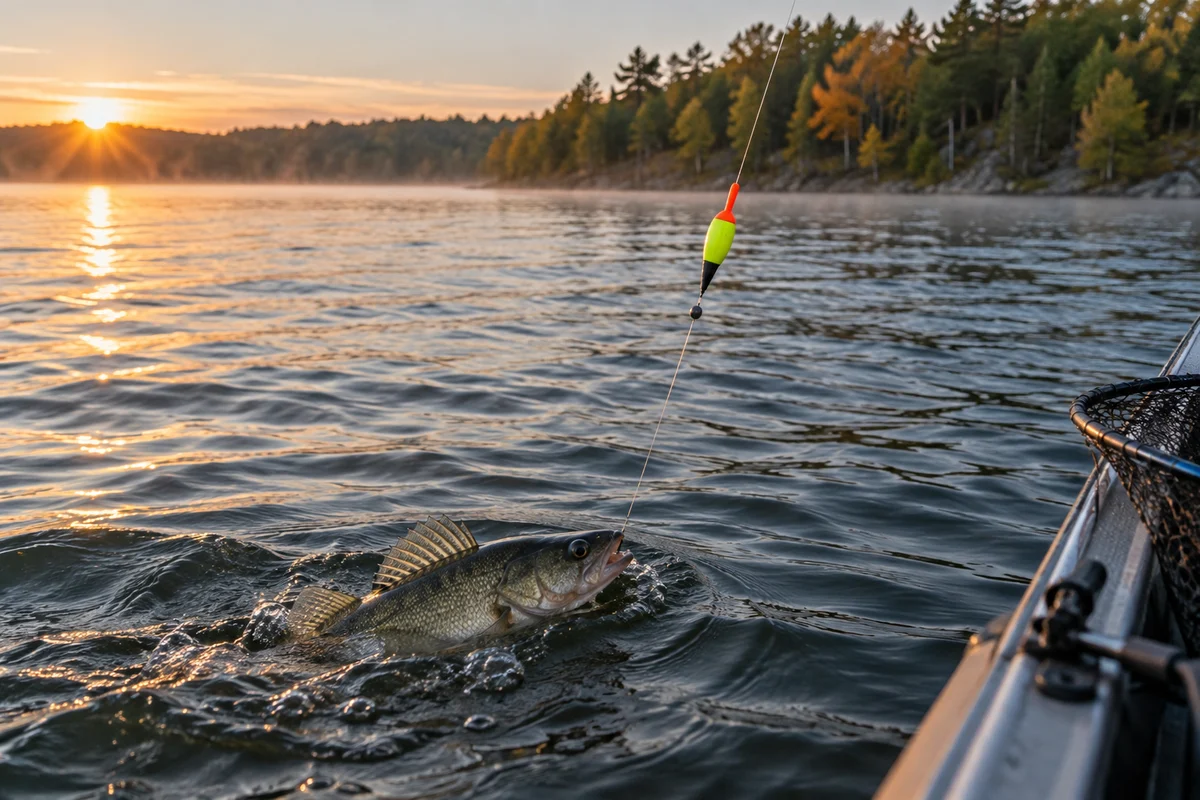
Moore reservoir fishing calls for a plan built around conditions, not assumptions about where fish were stocked or where they will be today. Moore Reservoir lies on the Connecticut River in northern New England, where changing water levels, weather, and seasonal patterns can affect a day on the water. The words “stocking of walleye” in an old headline are not proof of a current stocking program or a present-day fish population. Before traveling, check with the relevant fisheries agencies for current species information, rules, and access details. Then use a flexible search plan: identify likely habitat, cover water methodically, and adjust to what you observe.
What should you verify before planning a trip?
Start with the basics that can change from season to season: whether the water is open to your intended activity, which access points are available, what launch or shoreline rules apply, and which fishing regulations cover your location. A reservoir on a large river system may have multiple jurisdictions or site-specific rules. Do not assume a familiar license, boundary, or regulation applies everywhere around the water. Confirm the correct requirements with New Hampshire Fish and Game and, where your intended location or route makes it relevant, Vermont Fish & Wildlife.
Ask the agencies or consult their current official information for walleye presence, any recent stocking records, size and possession limits, season dates, and special restrictions. Stocking records are not a guarantee of survival, catchability, or abundance. Conversely, the absence of a recent stocking announcement does not by itself establish that a species is absent. Treat a stocking report as one clue among several, and make decisions using current regulations and credible local fisheries information.
Check weather, water conditions, and access shortly before departure. Water levels and current can change on a managed river-reservoir system; use posted notices and official safety information rather than relying on an old map or a prior visit. Have a backup plan for a closed or unsuitable launch, and tell someone where you expect to fish. Our freshwater walleye fishing hub has more planning and technique topics to help shape that plan.
Where should you look for walleye?
Treat a map as a starting point, not a fish-location promise. Look for transitions: a change from shallow to deeper water, a point or channel edge, a bend, a submerged contour, or a boundary between firm and softer bottom. Walleye often use structure and nearby depth changes, but their position depends on season, light, forage, water temperature, and local conditions. Focus on finding a repeatable feature rather than assuming a named spot holds fish.
From shore, prioritize legal, accessible areas where a change in depth or current edge is within casting range. A point, outside bend, or the edge of a shallow flat can be worth checking if it is safe and open to fishing. From a boat, move slowly across likely contours and note where marks, bait, or bites occur. Keep clear of restricted areas, dams, and hazardous current. Never approach infrastructure or flowing water merely to reach a presumed fishing location.
Wind can push surface activity and make one shoreline more productive than another, but it also affects boat handling and casting. If conditions make boat control difficult, fish a protected area or choose a different day. For more on seasonal choices, see these spring walleye planning tips; apply the general principles to local conditions rather than assuming another lake's pattern transfers exactly.
Which seasonal approach makes sense?
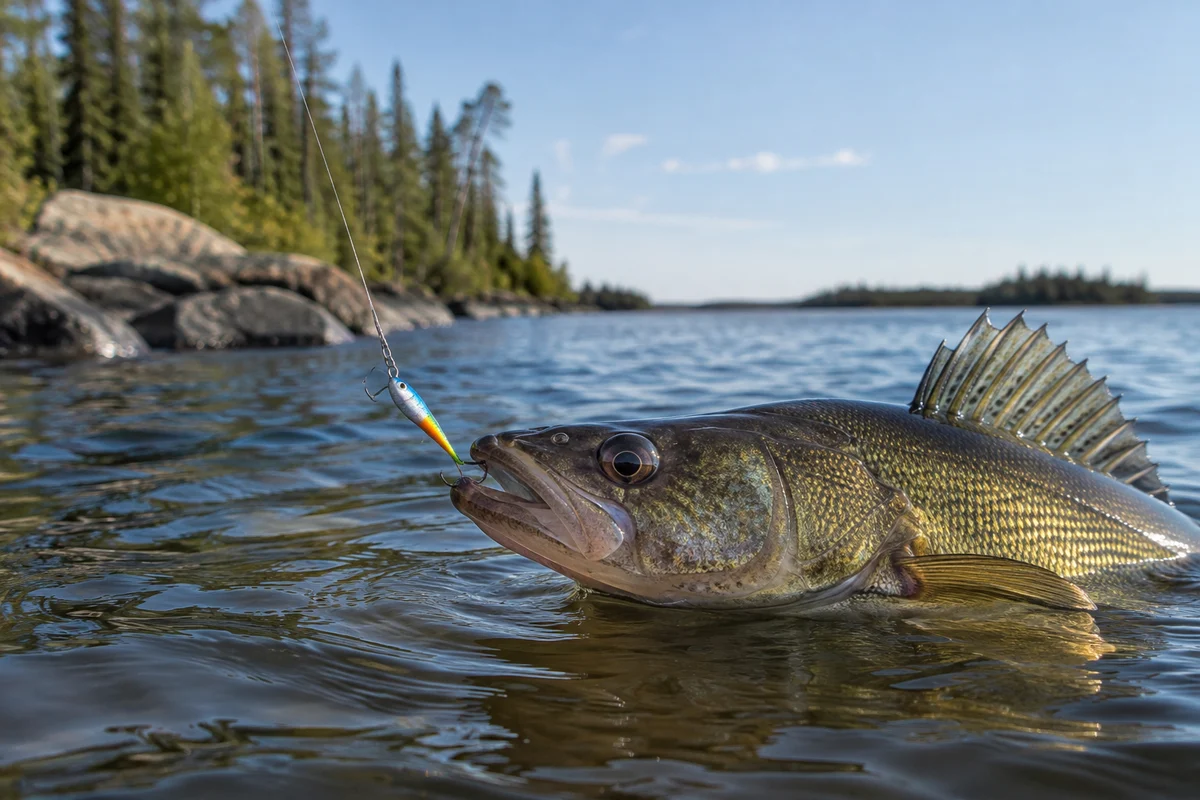
In spring, walleyes may be associated with spawning-related areas and nearby travel routes, but timing varies with water temperature and local rules. Avoid treating a calendar date as a reliable cue. Check the regulations first, then search adjacent depths and transitions, moving gradually until you locate active fish. A light jig and a compact soft bait or minnow-style presentation can help cover water at a controlled pace where permitted.
As water warms, fish may use deeper edges, points, and areas near forage. Try a slow, controlled presentation before speeding up; if there is no response, change depth or location rather than repeatedly casting the same unproductive lane. In low light, shore or boat anglers can check accessible edges and shallow structure, while keeping safety and legal access in mind.
In fall, cooling water can change fish movement and feeding activity. Search a range of depths around likely forage and use a method that lets you stay in contact with the bottom or track a consistent depth. Ice-season strategies are relevant only if the reservoir is safely and legally accessible under current conditions. Ice thickness is not uniform, and a familiar location does not make ice safe. These broad patterns are starting points, not promises; local water temperature, weather, and forage can override the season label.
What tackle and presentations are useful?
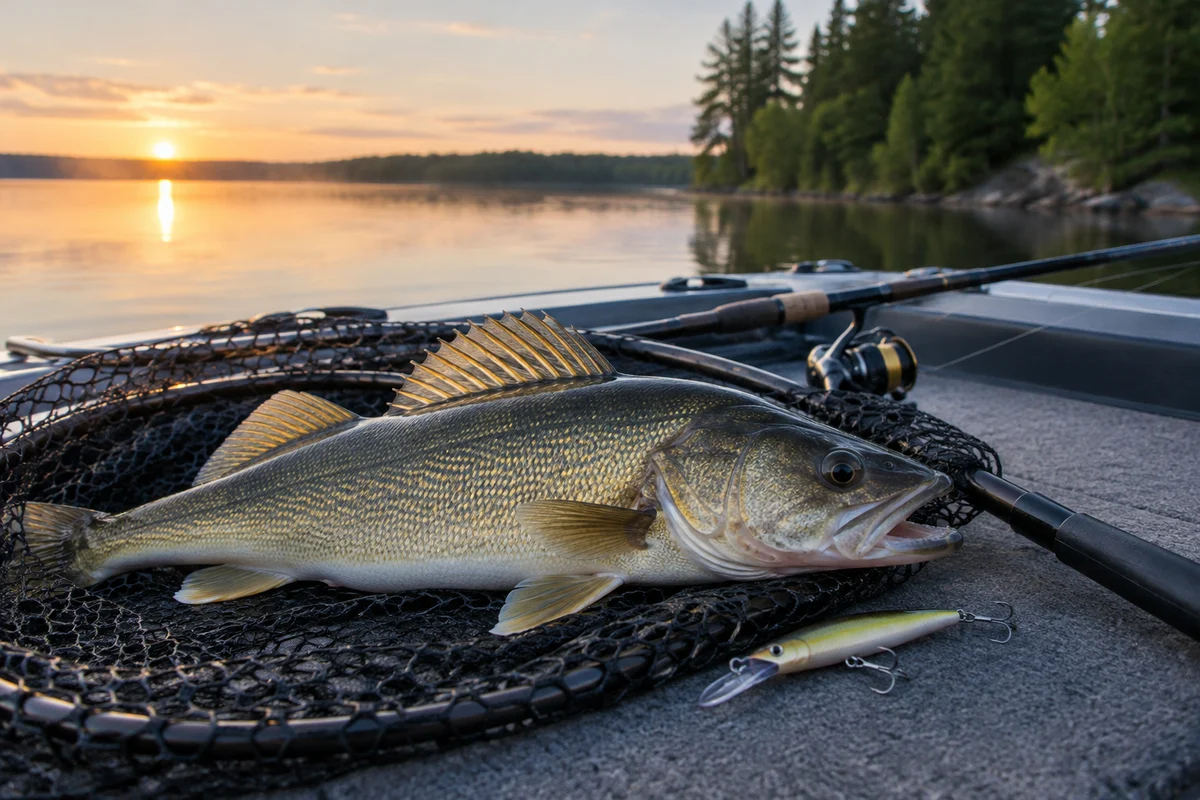
A versatile walleye setup should let you feel a lure, control its depth, and manage the conditions you actually encounter. For jigging, pair a suitable rod and line with a jig weight that maintains contact without dragging uncontrollably. Use the lightest practical option that still gives control in wind or current. Soft plastics, hair-style baits, and live bait where legal are all possible choices; match size and action to clarity, depth, and fish response rather than relying on a single “best” lure.
A bottom-bouncing or drifting presentation can cover a contour when fish are scattered, provided you can maintain a safe route and avoid snag-prone or restricted areas. Trolling may also help search open water where allowed, but check rules on equipment and methods and keep a close eye on boat traffic and changing conditions. Make one adjustment at a time: change depth, speed, or lure profile, then give that change enough time to evaluate.
A simple log makes future trips more useful. Record the general area, depth range, time, weather, presentation, and whether fish or bait appeared—not just the lure color. Do not record or share sensitive locations in a way that encourages trespass or unsafe access. The walleye fishing cheat sheet offers a broader refresher on choosing and adjusting approaches.
How can you make the outing safer and more responsible?
Wear a properly fitted life jacket while boating, carry required safety equipment, and check the forecast before launching. On a river-connected reservoir, treat current, changing water, submerged hazards, and dam-related warnings seriously. Keep well away from dams and restricted zones, follow posted boundaries, and do not assume calm-looking water is safe. If conditions deteriorate, prioritize a safe return over another fishing spot.
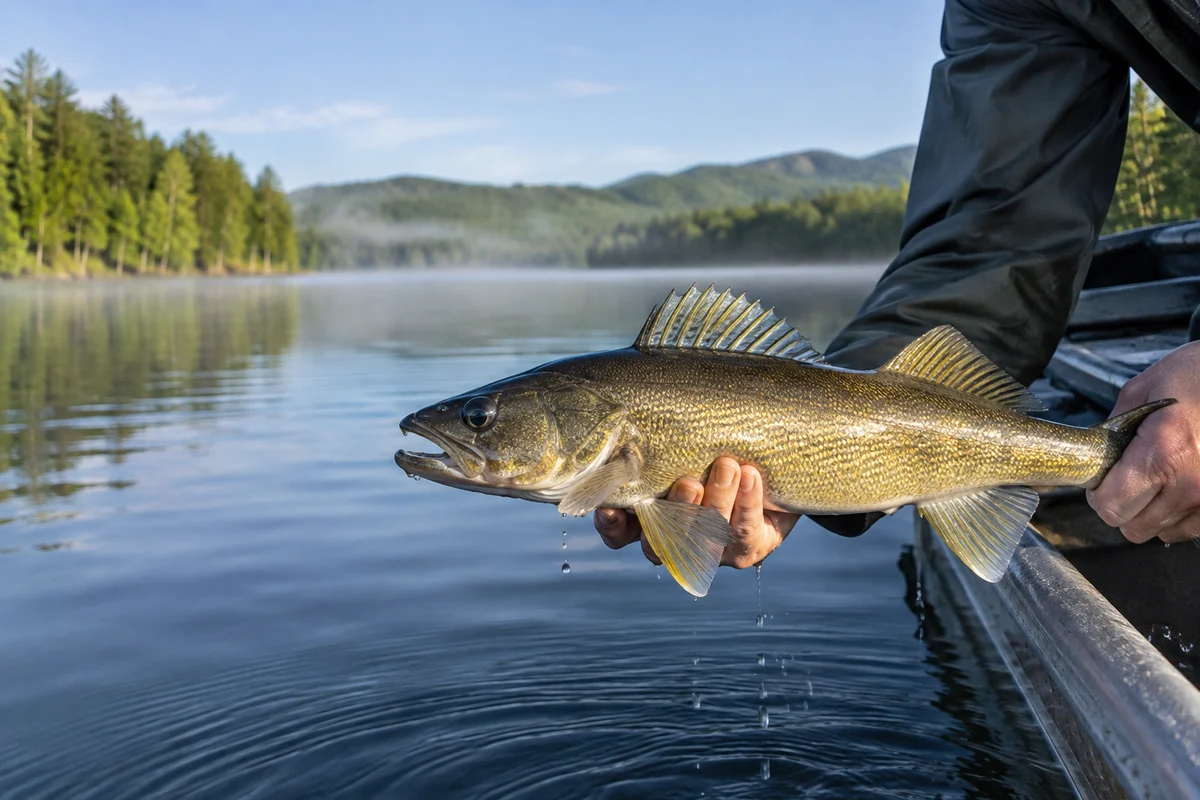
Handle fish carefully and keep them in the water when practical, especially if you plan to release them. Wet your hands, minimize air exposure, and use tackle that helps bring fish in without an unnecessarily long fight. Follow current size and possession limits, and identify your catch before deciding whether to keep it. If a fish’s identity is uncertain, release it carefully and consult official identification resources before retaining similar fish in the future. Pack out line, bait containers, and other waste; discarded line can injure wildlife.
How should you interpret claims about stocking?
A stocking announcement is a dated management record, not a current fishing report. It may describe a particular year, waterbody, number or life stage of fish, and agency purpose. Those details matter: a release intended to establish or supplement a population does not mean anglers will find fish throughout the reservoir, and it does not establish present-day abundance. Likewise, a headline or repost without an agency record should not be treated as confirmation.
For an accurate answer, search current official agency information or contact the fisheries office responsible for the water. Ask whether there are verified stocking records, surveys, or management updates for Moore Reservoir and the period you care about. Keep the question specific: the source, date, and exact waterbody help distinguish Moore Reservoir from other waters with similar names. Until verified, plan for a general walleye outing rather than relying on a claim that fish were recently added. That approach remains useful whether you are researching the fishery or preparing for a day on the water.
Frequently asked questions
Does Moore Reservoir currently have a walleye stocking program?
A past headline alone cannot establish current stocking. Check New Hampshire Fish and Game and, as relevant to your location, Vermont Fish & Wildlife for dated stocking records or management updates.
What is a good starting tactic for walleye at Moore Reservoir?
Start by checking current access and regulations, then search depth changes and structure with a controlled jigging or other legal presentation. Adjust depth and location based on conditions and observed activity.
Can anglers rely on a specific season or location to find walleye there?
No. Seasonal patterns and productive locations vary with water conditions, forage, weather, and fish movement. Treat general patterns as starting points, not guarantees.
Sources & further information
Consult these primary sources for current regulations, technical information and local guidance.