World Record Eelpout: How to Verify a Giant Catch
Eelpout, also called burbot, can prompt record claims that are difficult to judge from a photograph alone. Learn how to identify the fish, distinguish record categories, and document a catch before it is released or submitted.
A world record eelpout claim is not settled by a striking photograph or a fish that looks unusually large. Eelpout is a common name for burbot, a freshwater cod relative, and a record depends on the fish’s verified identity, a documented measurement, and the rules of the record-keeping body. Whether you are curious about a circulating catch story or hoping to document a fish, start by separating what is known from what still needs proof.
The name “eelpout” is used in parts of North America; anglers elsewhere may call the same species burbot. That regional naming can complicate searches and conversations, but it does not change the need for reliable identification. For winter anglers, the ice-fishing hub offers related context on the season and its methods.
What fish is an eelpout?
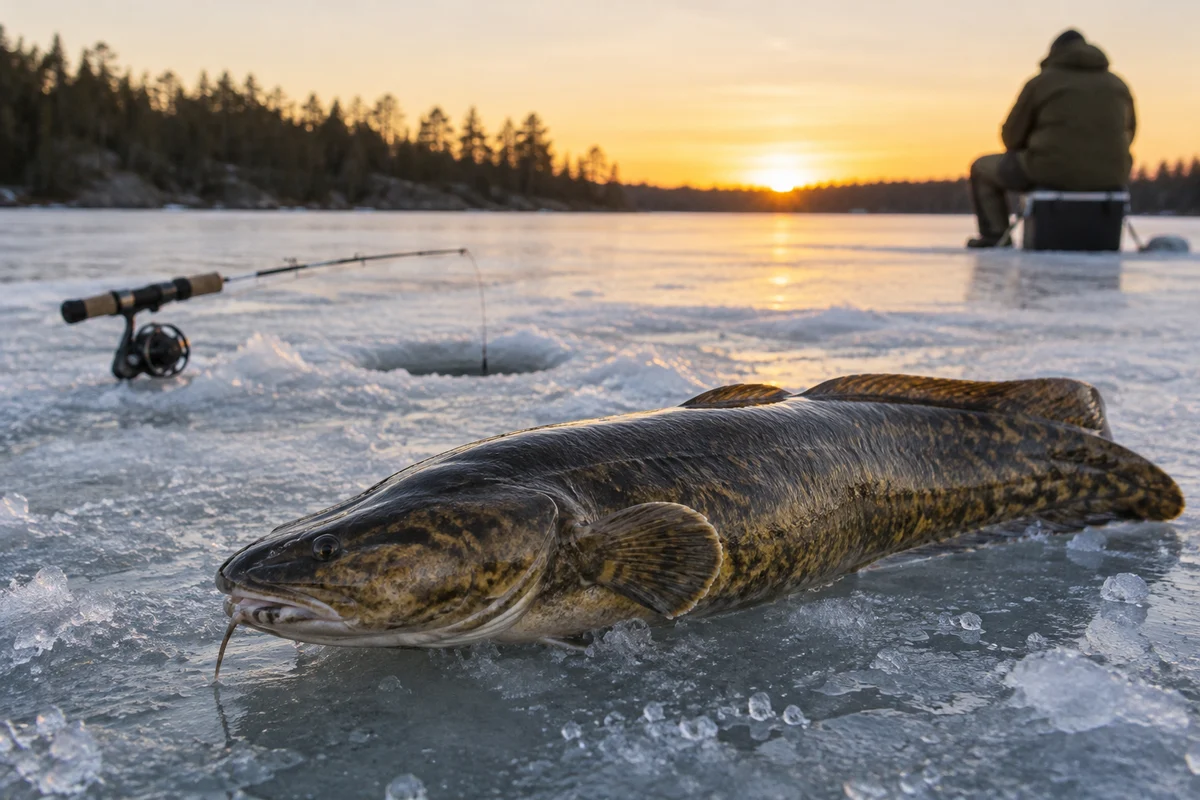
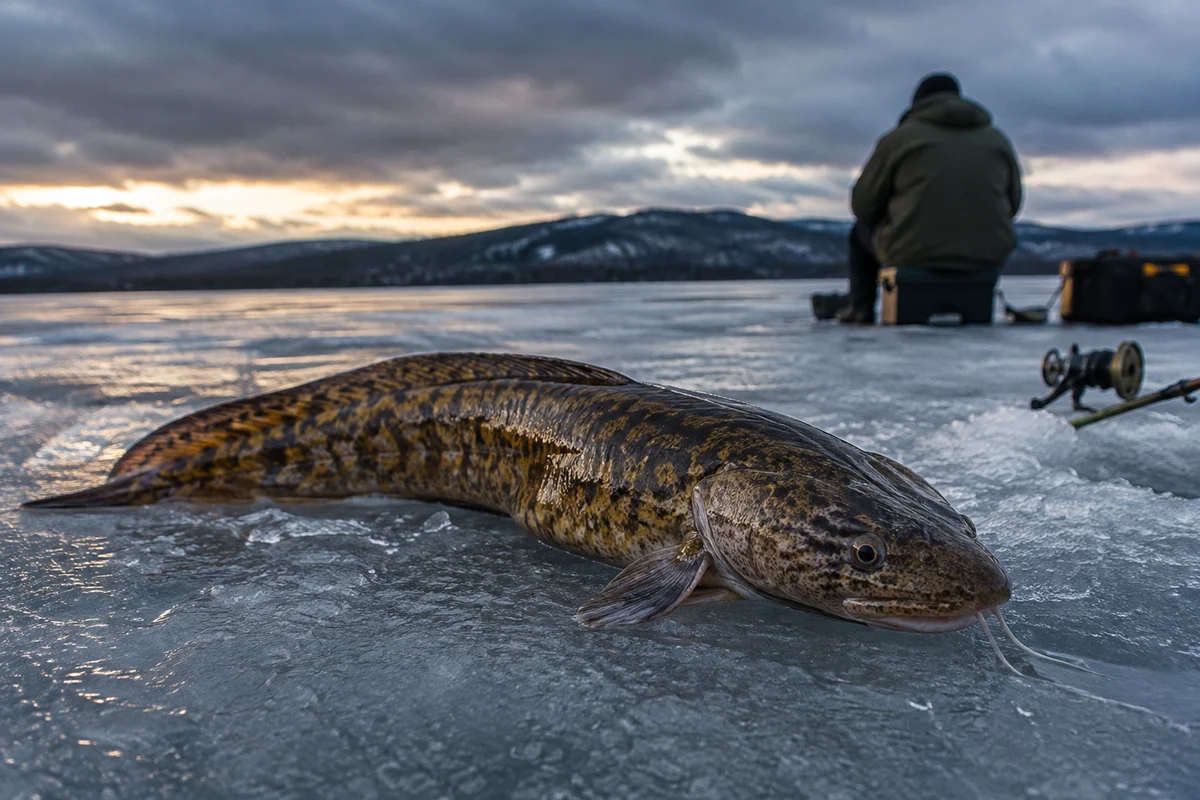
Burbot (Lota lota) is a freshwater member of the cod family. Its elongated body, soft-looking fins, mottled coloring, and single whisker-like barbel beneath the chin help distinguish it from many other freshwater fish. The species’ appearance varies, and a fish seen briefly in low light—or partly hidden by snow, ice, or a measuring board—can be hard to identify confidently from a single image.
Use several views when documenting a possible record: a clear side view of the whole fish, a close view of the head and chin, and an image that shows the fish beside a scale or measuring device. Keep the fish’s features visible rather than relying on a caption or a claimed local name. If identification remains uncertain, ask the relevant fisheries agency or record organization what documentation it accepts before presenting the catch as a burbot.
Burbot are associated with cool freshwater habitats, and ice fishing is one way anglers encounter them in some regions. Habitat and season can make a catch plausible, but neither proves the species or the record. The Minnesota Department of Natural Resources is a useful starting point for regional fish information; anglers should consult the agency responsible for the water where a fish was caught.
What does “world record” mean for eelpout?
A record is meaningful only when its category and authority are clear. A state fish record, a national listing, a contest result, and an international angling record are separate claims. They may use different eligibility rules, evidence standards, and measurement methods. A fish described as a “record” in a local account is not automatically a state or world record.
International Game Fish Association (IGFA) records are organized under formal categories and application rules. Before comparing a catch with a listed record, check the current IGFA record search and regulations for the exact species name and category. A line-class record, for example, is not the same category as an all-tackle record. A state record likewise must be checked against the relevant state agency’s current listing and submission requirements.
It is also worth distinguishing a verified record from a large fish that has not been submitted or accepted. An angler may accurately report an impressive catch without it qualifying as an official record. Avoid repeating a number as established fact unless the responsible record keeper has published or confirmed it.
How can you confirm the species and measurement?
First, establish where the catch occurred and which authority governs that water. State and provincial programs do not necessarily use identical categories, and a boundary lake or shared water can raise questions about jurisdiction. Record the location as precisely as the rules permit, while avoiding unnecessary disclosure of sensitive access details.
Next, follow the organization’s measurement instructions rather than assuming a familiar method applies. Some programs focus on weight, while others may recognize length-based categories. A scale reading and a tape measurement answer different questions; one cannot substitute for the other when a category requires a particular measurement. Confirm whether the rules specify the scale type, calibration, witnesses, photographs, or other proof.
Identification deserves the same care as measurement. Photograph the full fish and the traits that distinguish it, and keep the images unedited apart from routine framing or resizing. If there is any doubt about the species, retain the original files and contact the record authority before releasing or preserving the fish. Requirements can change, so use current official instructions rather than advice copied from an older post.
For a related example of how record language can refer to burbot, see the Ontario freshwater cod and eelpout record topic. Treat any historical report as a lead to investigate, not as a substitute for the record keeper’s present-day verification.
What evidence should an angler collect?
Prepare for documentation before fishing if a record application is a possibility. Bring a reliable scale or measuring device appropriate to the category, check its condition, and understand how it should be used. If the record body calls for witnesses or specific scale documentation, arrange that in advance when practical. Do not assume a phone photograph alone satisfies an application.
A useful field record can include:
- The date, waterbody, and location details requested by the record authority.
- Clear, original photographs of the whole fish, identifying features, and the measurement in progress.
- The instrument’s reading, along with any calibration or scale information the rules require.
- Names and contact details for witnesses if the application requests them.
- Relevant fishing details, including tackle or line information when the record category requires it.
- Notes about the sequence of events, recorded promptly while details are fresh.
Keep the fish in good condition while measuring and photographing it, and handle it carefully. Follow local fishing regulations and the record body’s instructions for weighing or preserving a fish. If the fish is to be released, know the required evidence procedures beforehand; a rushed measurement after release cannot be recreated. Do not claim that a catch is official while an application is pending.
Does ice-fishing gear establish a record?
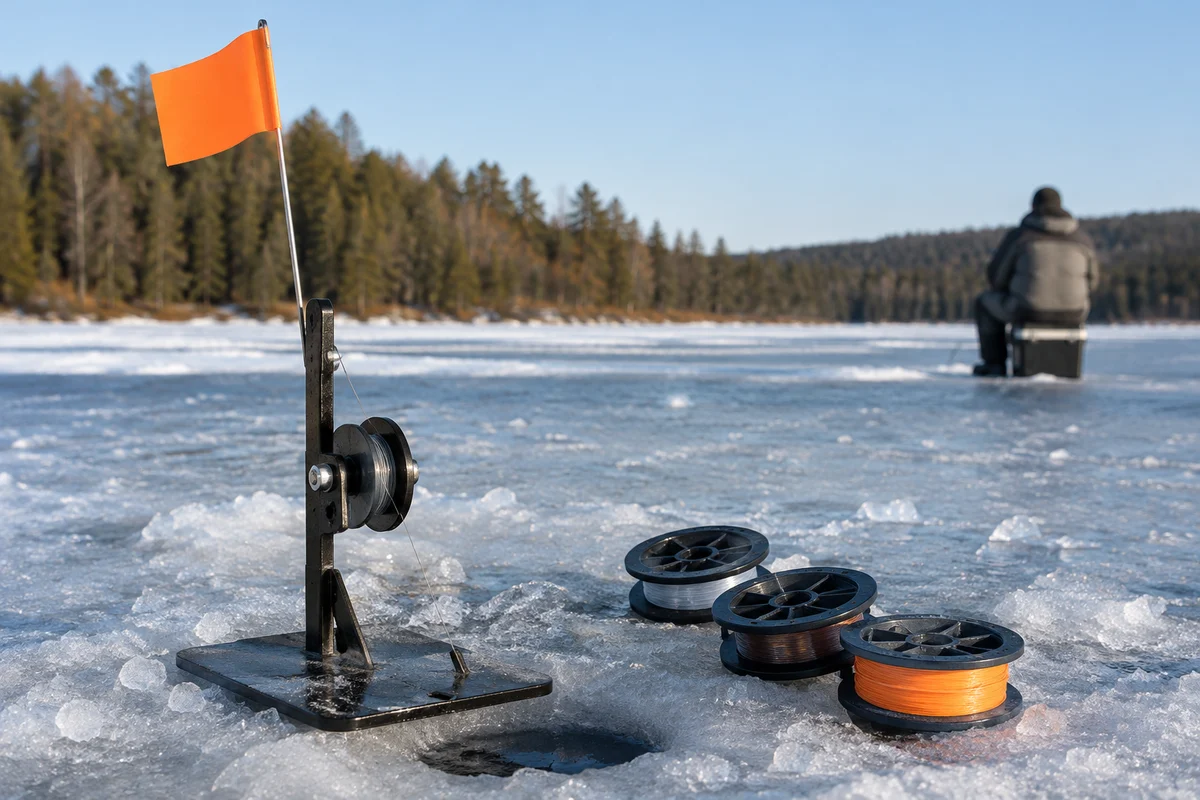
No. Gear may help an angler detect or land a fish, but it does not establish a record. An underwater camera or flasher can help show activity beneath the ice, while a tip-up or rod can present bait; neither proves species, weight, or eligibility. A report about the Vexilar FL-12 flasher can provide equipment context, but record claims must be supported by the rules and evidence, not the equipment used.
Fishing conditions also vary. Ice thickness, weather, local regulations, and fish behavior all matter to a safe outing, but no particular tool or technique guarantees a large catch. Follow current local ice-safety guidance, check regulations before fishing, and avoid taking risks for a photograph or measurement. If a fish is not clearly identifiable or the measurement cannot be made safely, the responsible choice is to prioritize safety and accurate reporting over a record attempt.
How should you assess a “giant eelpout” story?
Look for the original source, not a repost detached from its context. Does the account identify the species, location, date, measurement method, and record category? Is there an official listing or a statement from the agency or organization that would certify the claim? Are images clear enough to support identification, or do they merely show an unusually large-looking fish without scale or context?
If key information is missing, describe the claim cautiously: “reported as a large burbot” is more responsible than calling it a world record. A visual comparison is especially unreliable because camera angle, distance, and a fish’s position can distort apparent size. Even a ruler in the frame may be inconclusive if its markings, placement, or relation to the fish cannot be seen.
A good record story remains interesting without overstating certainty. Explain what is documented, name the category being pursued, and say whether official verification is complete. Readers can then distinguish an impressive catch from a recognized record—and know what evidence would resolve the difference.
A practical checklist before submitting a claim
Find the current rules for the correct state, provincial, or international authority. Confirm species and category; collect the required measurements and supporting evidence; preserve original photos and notes; and submit through the official process. Do not assume a record listed under one name or category applies to another. For international claims, consult the IGFA’s official resources directly, and for a state claim, begin with the responsible fisheries agency.
The phrase “world record eelpout” is a useful search term, but verification is a process, not a conclusion. A clearly identified burbot, measured according to current rules and accepted by the relevant authority, is what turns a striking catch into a documented record.
Frequently asked questions
Is eelpout the same fish as burbot?
In common North American usage, eelpout is a name for burbot (*Lota lota*). Common names vary by region, so confirm identification with the relevant fisheries authority when documenting a record claim.
How do I check a world record eelpout claim?
Identify the record category and the organization responsible for it, then check its current official records and application rules. A large catch report or photograph alone does not establish an accepted record.
What should I document for a possible burbot record?
Check the record body’s current rules first. Depending on the category, it may require species-identification photos, weight or length evidence, location and catch details, witness information, and scale or measurement documentation.
Sources & further information
Consult these primary sources for current regulations, technical information and local guidance.