Manchester Firing Line: A Guide to Indoor Range Visits
A practical guide to what to check before visiting an indoor shooting range associated with the name Manchester Firing Line. It separates verifiable facility details from general range-safety and legal-awareness basics.
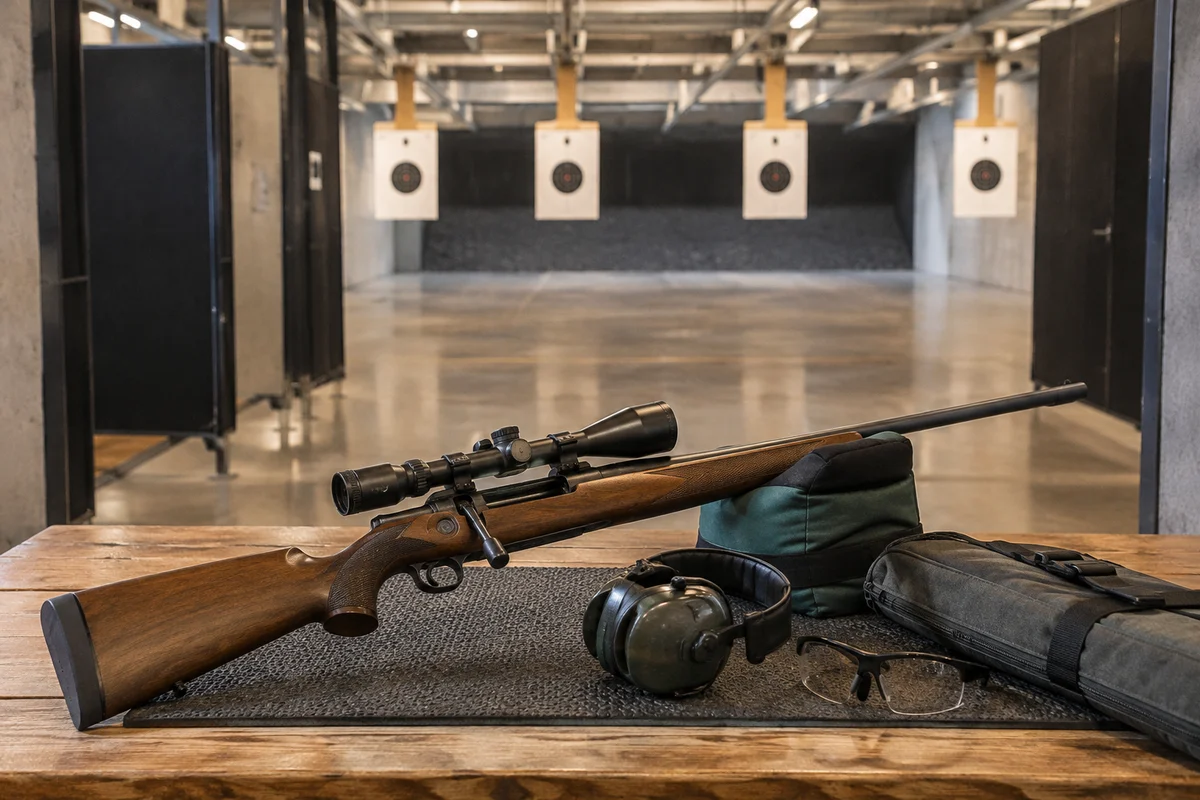
Searching for Manchester Firing Line may mean you are looking for a particular indoor shooting facility, but the name alone does not confirm its location, current operator, hours, or services. Treat those details as questions to verify directly rather than settled facts. This guide explains how to evaluate an indoor range, prepare for a responsible visit, and understand the safety and legal considerations that apply broadly. It does not claim firsthand experience or establish that a facility using this name is currently operating.
What should you verify about Manchester Firing Line?
Start by confirming that the facility you have found is the one you intend to visit. Search results, archived pages, directory entries, and social profiles can be outdated or refer to different businesses. Look for a current official site or an official phone contact, then confirm the street address, operating status, public-access policy, and any appointment requirements. If details conflict, ask the facility rather than relying on an old listing.
Ask what the range permits and what its rules require. Policies can differ on eligible equipment, ammunition, target types, supervision, age limits, protective gear, and whether a first-time visitor needs an orientation. Do not assume that a general description of an “indoor range” answers those questions. Confirm whether visitors may bring their own equipment or whether a facility has a separate process for supervised use; avoid arriving with anything you have not confirmed is permitted.
If you are researching the name rather than planning a visit, distinguish current information from historical mentions. A dated announcement is not proof of present-day availability. ODU Magazine cannot verify a specific Manchester Firing Line address or operating schedule from the name alone.
How can you judge whether an indoor range is a good fit?
A useful evaluation starts with clear, understandable rules and staff who explain them before activity begins. Look for published safety expectations, an orientation process for new visitors, and a clear way to get an employee’s attention. Ask how the range communicates commands and what visitors should do if they are uncertain. A responsible facility should make it easy to pause and ask for help rather than pressuring anyone to continue.
Consider the environment and accessibility of information, not just the range itself. Confirm whether eye and hearing protection are required and whether the facility provides guidance on suitable equipment. Ask about accessibility, visitor eligibility, supervision, and any restrictions that affect your circumstances. These are practical questions, not assumptions about a particular venue.
You can also compare the facility’s rules with the general handling principles described in ODU Magazine’s informational guide to the Walther P22. That article is a separate product-oriented overview; it should not be treated as evidence that this model, or any particular equipment, is permitted at Manchester Firing Line. The facility’s current rules take precedence for its premises.
What safety habits matter at an indoor range?
Follow the range’s posted rules and staff instructions at all times. The core habits are widely recognized: treat every firearm as if it is loaded, keep it pointed in a safe direction, keep your finger outside the trigger guard until you are ready to fire, and know what is beyond the target. At an indoor facility, the designated firing direction and range commands are especially important. If you are unsure what a command means, stop and ask the range officer for clarification.
Wear the eye and hearing protection specified by the facility, and do not remove it until you are in an area where staff say it is safe to do so. Keep distractions to a minimum. Do not handle equipment when someone is downrange or when the range is in a pause or cease-fire condition. If a problem arises, keep the equipment pointed in the safe direction and alert staff; follow their directions rather than attempting an unfamiliar remedy.
New visitors should say so and request an orientation before beginning. If you feel rushed, confused, or uncomfortable, pause and tell staff. The ODU Magazine guns topic hub gathers informational material on firearm history, safe context, and legal awareness; it is not a substitute for hands-on instruction from qualified range staff.
What should a first-time visitor prepare?
Before setting out, make a short confirmation checklist:
- Verify the exact address, current operating status, and whether the facility is open to visitors.
- Confirm age, supervision, identification, reservation, and orientation requirements.
- Ask what equipment and ammunition are allowed, and what must be left at home.
- Check the facility’s requirements for eye and hearing protection, clothing, and target materials.
- Find out how to check in and how staff communicate safety commands.
Bring only items the facility has explicitly said are permitted, and transport and handle them in accordance with applicable law and the venue’s instructions. Keep any required documents accessible, but do not assume one facility’s policies apply elsewhere. If the rules are not clear before you arrive, postpone the visit until you can get an answer. Preparation should reduce uncertainty, not replace the safety briefing.
A product’s general design does not determine whether a particular range allows it. For example, ODU’s overview of the Weatherby PA-459 shotgun can help readers understand that model as a topic, but it does not establish compatibility with a facility’s policies. Confirm model-specific restrictions with the range and consult the equipment’s official manual for its intended use and safe handling information.
How do laws and range policies differ?
A range’s house rules govern conduct on its property; they are not a complete statement of state or federal law. Laws concerning possession, transport, age, supervision, and use vary by jurisdiction and can depend on individual circumstances. Do not infer that permission to enter a facility settles whether a person may lawfully possess or transport particular equipment.
Check current guidance from the relevant government authorities for the jurisdiction involved, and ask a qualified legal professional when the answer depends on your situation. The Bureau of Alcohol, Tobacco, Firearms and Explosives provides federal information, but a federal agency’s general materials do not replace state or local rules. A facility may impose stricter conditions than the law requires, and visitors are responsible for following both applicable law and posted range policies.
Keep the distinction simple: verify legal requirements through official sources, then separately verify the facility’s rules. Avoid relying on a forum post, an old directory listing, or a friend’s experience as a substitute for current confirmation.
What is the best way to approach a visit?
Treat an indoor range visit as a structured safety activity, not an informal test of confidence. Confirm that the venue is open and that its policies fit your circumstances. Read its current rules before arrival, take the orientation seriously, listen for commands, and stop when you need clarification. If staff cannot explain a rule or a situation feels unsafe, do not proceed until the concern is resolved.
For anyone researching Manchester Firing Line specifically, the essential next step is verification: establish which facility the name refers to and contact it through a current, official channel. No address, opening hours, range layout, equipment policy, or service should be assumed from the name alone. These checks make the article useful without turning uncertain legacy references into claims about a real-world business—and they are sound habits for evaluating any indoor range.
Frequently asked questions
Is Manchester Firing Line currently open?
The name alone does not establish current operating status, address, or hours. Confirm those details through a current official facility channel before making plans.
What should a first-time indoor-range visitor ask beforehand?
Confirm visitor eligibility, supervision and orientation rules, permitted equipment and ammunition, required protective gear, and how the facility communicates safety commands.
Do indoor range rules explain all firearm laws?
No. Facility policies apply on its premises, while legal requirements depend on jurisdiction and circumstances. Check current official government guidance for applicable law.
Sources & further information
Consult these primary sources for current regulations, technical information and local guidance.