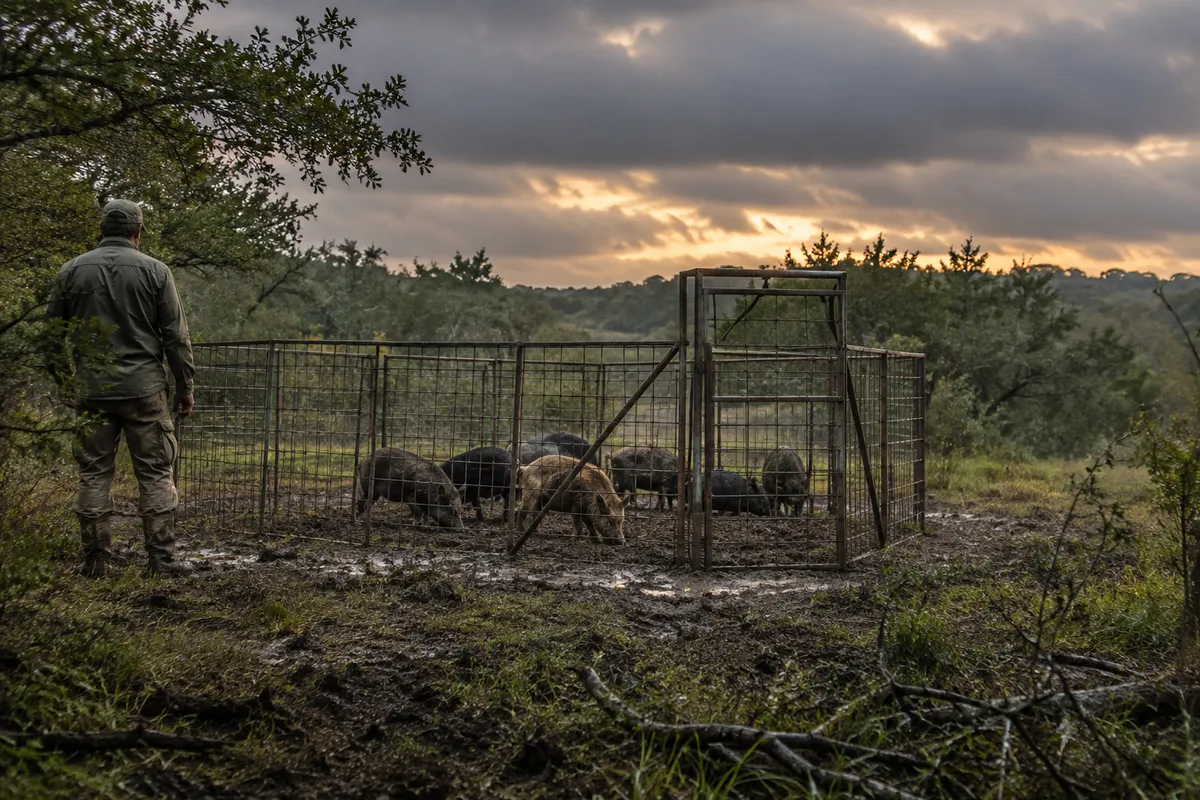
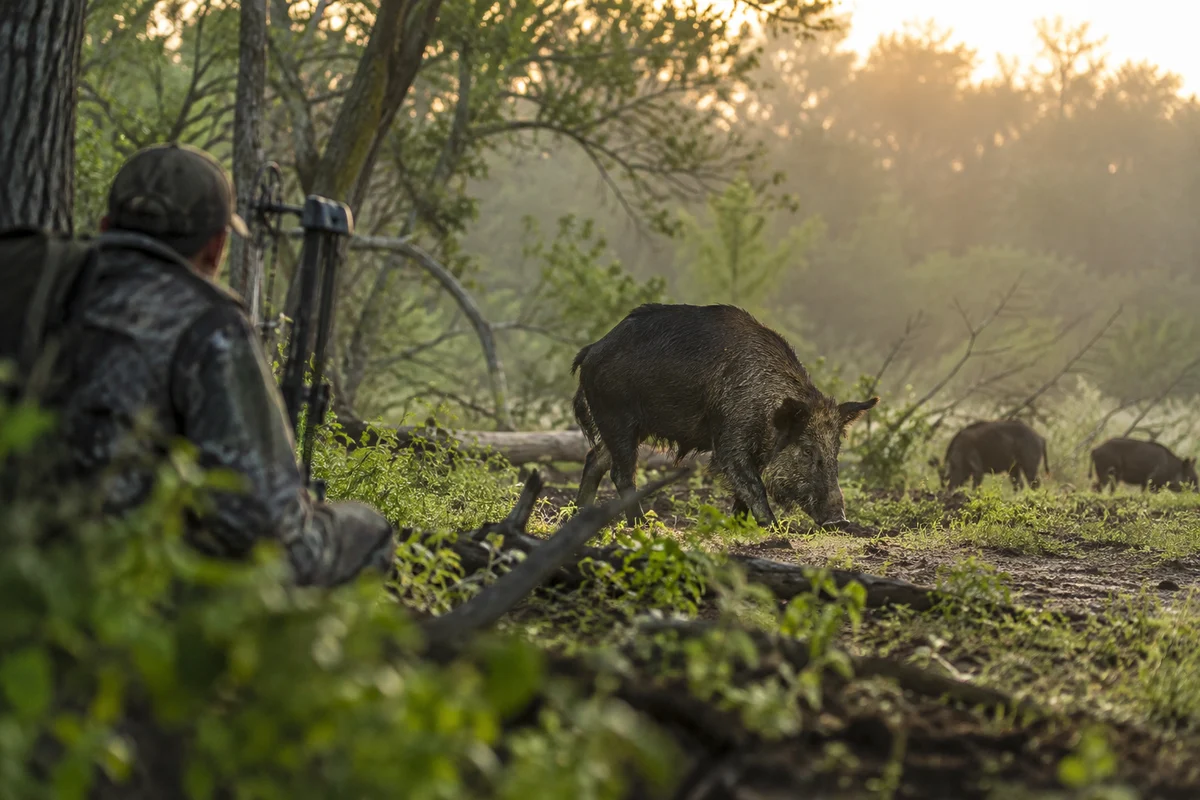
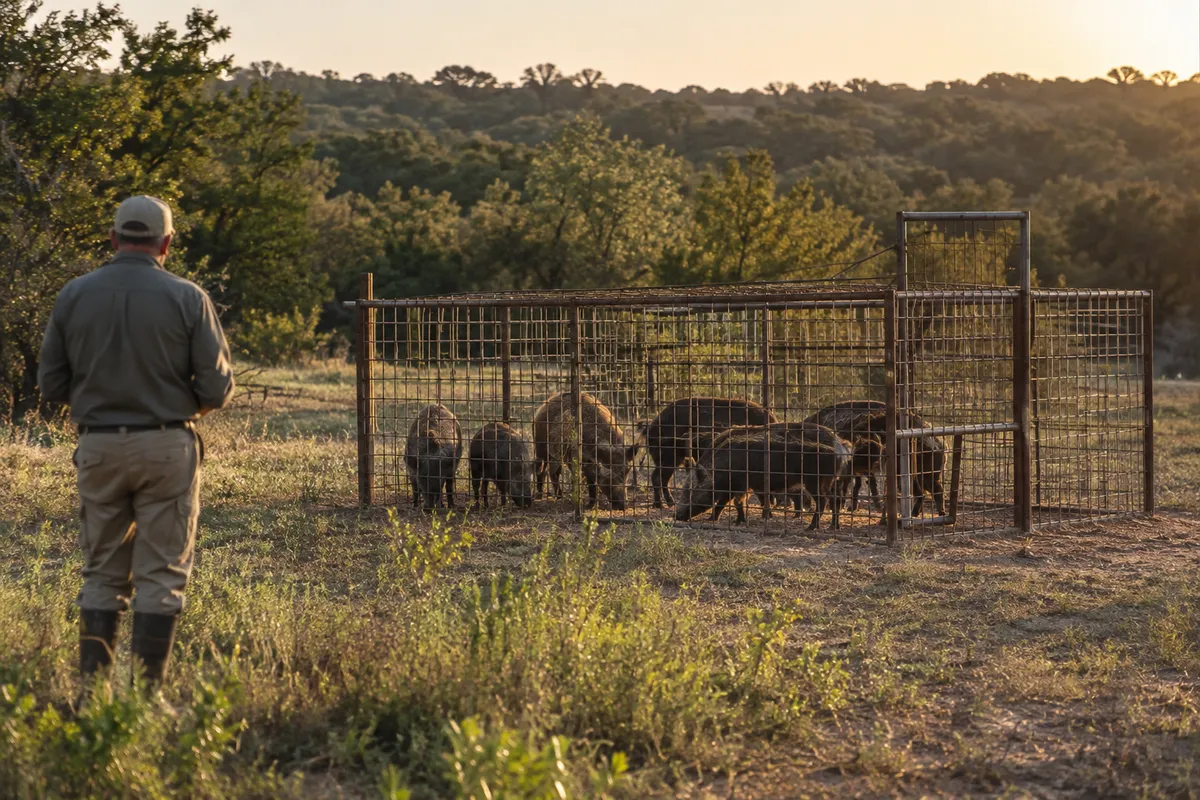
Hog Hunting With Drones: Rules, Ethics, and Field Decisions
Using a drone around hog hunting is not simply a matter of flying and spotting animals. Regulations differ sharply by place, and safe, ethical decisions depend on verifying the rules before a flight and understanding what aerial scouting can—and cannot—tell you.
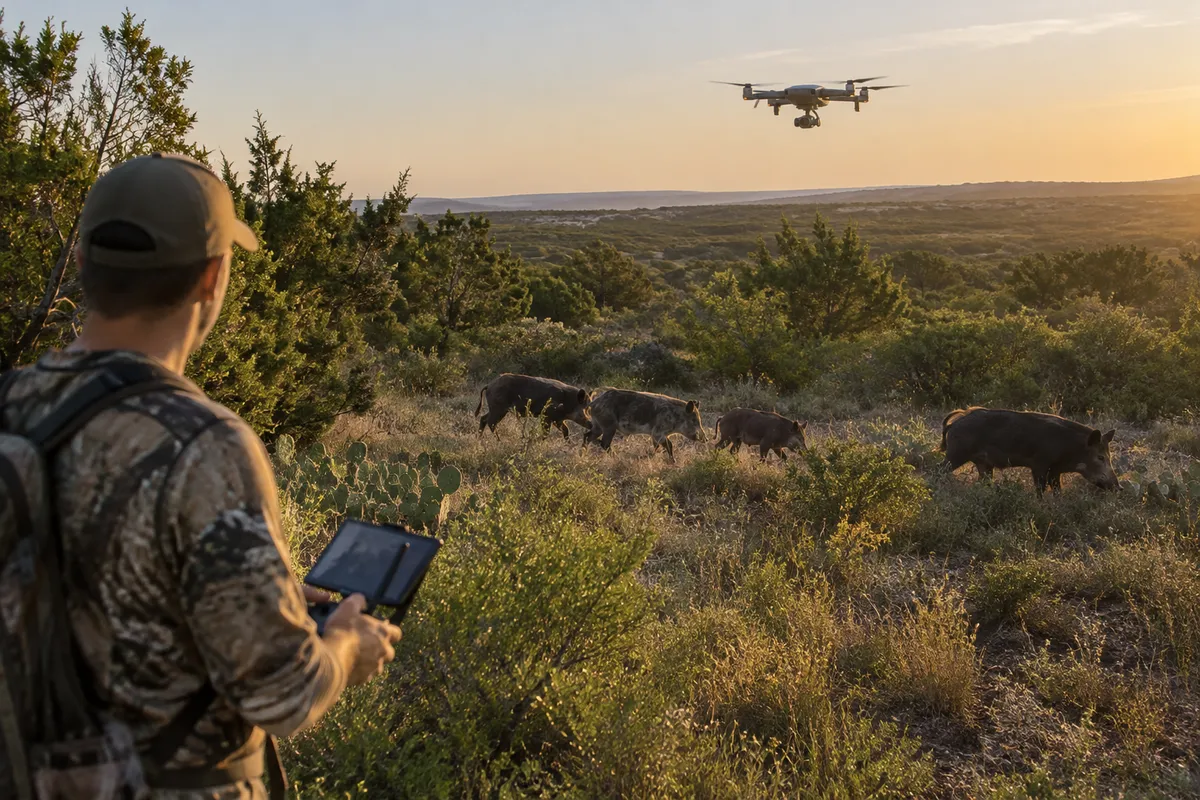
Hog hunting with drones can mean anything from using an aircraft to observe terrain before a hunt to locating animals during an active pursuit. Those uses are not interchangeable under the law. Rules vary by state, season, land ownership, aircraft type, and the timing of a hunt; a method allowed for one purpose or location may be prohibited for another. Before planning a flight, verify current wildlife regulations and aviation requirements with the agencies responsible for the specific place.
This guide is about legal awareness, safety, and decision-making—not tactics for locating or pursuing animals. For broader context, see the big-game hunting hub, our overview of Alabama alligator hunt rules and context, and Arkansas alligator hunting. These examples also illustrate why state-specific regulations matter: hunting rules are not transferable from one jurisdiction to another.
Start with the jurisdiction, not the aircraft
There is no single nationwide rule that answers every question about hog hunting with drones. States set wildlife rules, and local restrictions, land access conditions, and federal aviation requirements may also apply. Even where feral hogs are treated as an invasive or nuisance species, that classification does not automatically make every hunting method lawful.
Identify the exact state, county or management area, land manager, and date. Then consult the current hunting regulations and any official notices for that area. Look specifically for provisions about aircraft, drones or unmanned aircraft, scouting, locating or pursuing game, taking game with the aid of an aircraft, night activity, and method-of-take restrictions. Wording and definitions can differ. If a rule is unclear, ask the state wildlife agency or land manager for an interpretation before flying; do not rely on a social-media post, an old summary, or a rule from a neighboring state.
Land permission is a separate question. Permission to hunt does not necessarily include permission to launch or operate an aircraft, and public-land rules may be more restrictive than general state law. Confirm launch and landing access, airspace restrictions, and any land-manager policy. Do not fly over neighboring property or people without considering privacy, safety, and applicable law.
Separate scouting from aiding a hunt
A central legal distinction is often the purpose and timing of an aircraft use. A drone flight well before a season may be treated differently from using live aerial information to guide a hunter during a hunt. Some jurisdictions restrict aircraft-assisted spotting or pursuit even if the aircraft itself is legally operated. Others may define prohibited conduct in terms that encompass a particular scouting method.
Do not assume that a delay between a flight and a hunt makes a use legal. Regulations may specify a time window, a purpose, or a broad prohibition; the exact language controls. Ask the wildlife agency about the proposed use, not merely whether drones are generally allowed. Describe when the flight would happen, what information would be gathered, and whether that information would be used in a hunt.
The table below is a screening framework, not a legal determination:
| Proposed use | Questions to verify before acting | Safer decision if uncertain |
|---|---|---|
| General land or habitat observation outside a hunt | Is drone operation permitted here? Does wildlife law restrict aerial scouting or later use of observations? | Keep the flight separate from hunting decisions until the agency clarifies the rule. |
| Flight during a hunting period | Does the rule prohibit aircraft use, locating game, or assistance to a hunter? Are there airspace or land-manager restrictions? | Do not fly in connection with the hunt unless the responsible authorities confirm it is lawful. |
| Sharing live animal locations | Could transmitting observations be considered aiding, locating, or pursuing game? | Avoid relaying live locations; seek an official interpretation first. |
| Flight on public or leased land | Does the land manager require a permit or prohibit launches, flights, or wildlife disturbance? | Treat land-manager policy as an independent requirement. |
Check aviation rules and flight conditions
Wildlife permission is not aviation permission. The Federal Aviation Administration sets rules for civil drone operations in the United States, including requirements that depend on how and where an aircraft is flown. Operators should review current FAA guidance, registration obligations where applicable, remote-pilot requirements for the intended operation, airspace restrictions, and any temporary flight restrictions. Do not rely on a remembered rule: requirements can change, and the operation’s purpose can matter.
A drone can also create risks unrelated to hunting law. Trees, wires, uneven ground, weather, and poor visibility can complicate safe operation. Keep the aircraft within the operator’s ability to maintain control and follow applicable visibility and airspace rules. Do not fly near people, vehicles, livestock, roads, or emergency operations in a way that creates a hazard. If a flight would distract a hunter carrying or handling equipment, separate the activities or call it off.
A drone’s camera does not establish that an animal is safe to approach, legal to take, or even correctly identified. Thermal or low-light imagery can be ambiguous, and overhead views can hide terrain, barriers, other animals, or people. Treat imagery as limited observation, not a substitute for lawful identification and an in-person safety assessment.
Consider animal welfare and privacy
Feral hogs can cause environmental and agricultural damage, but that does not eliminate responsibilities to avoid unnecessary disturbance or unsafe conduct. Repeated low flights can disrupt wildlife and livestock. Aerial observation can also expose private activity or neighboring property. Keep flights focused on an authorized area, respect privacy, and follow landowner and land-manager conditions.
Do not use a drone to pressure, chase, corner, or harass wildlife. Avoid any operation that could cause an animal to run toward roads, people, or livestock. If the aircraft is disturbing animals or creating a hazard, end the flight safely. The fact that a tool is commercially available does not establish that its use is ethical or lawful for hunting.
A practical pre-flight decision checklist
Before taking a drone into a hunting setting, work through these steps:
- Pin down the location. Record the state, property, management area, and responsible landowner or agency.
- Read current wildlife rules. Search official regulations for aircraft, drones, scouting, locating game, and assistance to hunters. Check season-specific notices.
- Ask a specific question. If the rule is ambiguous, contact the wildlife agency or land manager and explain the proposed timing and purpose. Keep the response for reference, while recognizing that only the agency or applicable law can resolve the issue.
- Check aviation requirements. Use FAA resources to confirm airspace, operating, and qualification requirements for the flight.
- Confirm access and privacy. Verify launch permissions and avoid unauthorized overflight or recording.
- Set a stop condition. Do not fly if the weather, visibility, people nearby, animal disturbance, or uncertainty about legality makes safe operation doubtful.
If any of the first four checks is unresolved, the conservative choice is to leave the drone out of the hunt. Use lawful, non-aerial approaches to learn the property and habitat, and keep observation separate from any activity that regulations restrict.
What drones cannot settle
Aerial imagery cannot answer every practical or legal question. It may not reveal a safe route, confirm an animal’s identity, establish the boundaries of a parcel, or show whether another person is nearby. It cannot tell an operator whether a particular use meets a state’s definition of scouting or assistance. Nor does one person’s experience prove a method is permitted elsewhere.
That uncertainty is especially important when rules change or use broad wording. Check the current official text rather than treating an online discussion as precedent. For general wildlife and hunting information, begin with the U.S. Fish and Wildlife Service and the wildlife agency for the state where you plan to be; for flight rules, consult the Federal Aviation Administration. The federal resources do not replace state hunting regulations or land-manager rules.
A conservative standard for responsible use
The most dependable approach to hog hunting with drones is to decide legality before deciding whether the technology is useful. Confirm state wildlife rules, aviation requirements, and property permissions independently. Keep flights away from active hunting unless the relevant agencies clearly allow the exact use, and avoid sharing live animal locations when that could assist a hunt unlawfully. When the rules or conditions are uncertain, do not fly.
That standard may rule out some uses, but it protects people, wildlife, access, and the opportunity to hunt responsibly. A drone is an optional tool; compliance and safety are not optional.
Frequently asked questions
Is hog hunting with drones legal in every state?
No. State wildlife regulations and land-manager rules vary, and aviation requirements also apply. Check current official rules for the exact location and proposed use.
Can I use a drone to locate hogs during a hunt?
Do not assume that is allowed. Some rules restrict aircraft-assisted locating, scouting, or pursuit. Ask the state wildlife agency about the specific timing and purpose before flying.
Does permission to hunt private land automatically allow drone flights?
No. Hunting access and permission to operate an aircraft are separate issues. Confirm launch and flight permission with the landowner and check aviation and wildlife rules.
Where should I check drone flight requirements?
Review current FAA guidance for the intended operation and airspace, then separately check state wildlife regulations and land-manager policies.
Sources & further information
Consult these primary sources for current regulations, technical information and local guidance.