How to Set Up Slip Weight Rigs for Bottom Fishing
A sliding-sinker rig is simple to assemble, but small choices in weight, stops and leader length affect how naturally bait moves and how well the rig handles the bottom. Here is a practical setup and a few common adjustments.
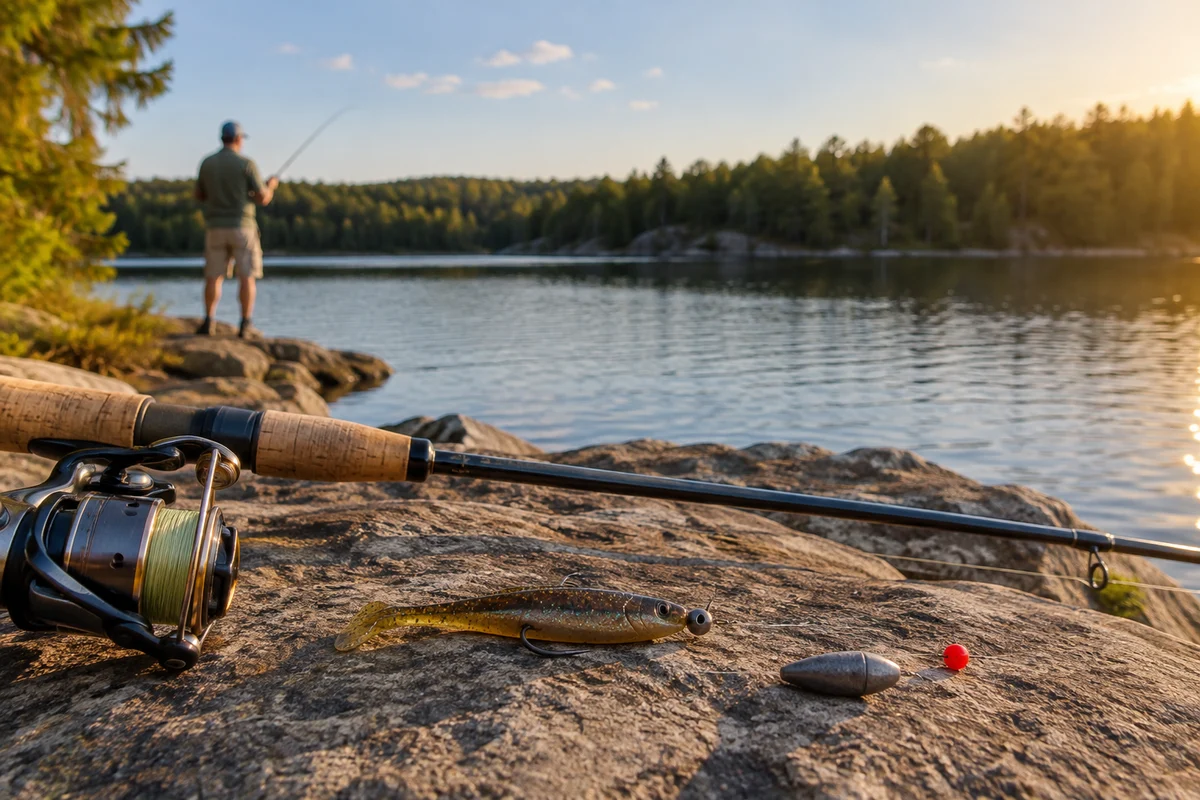
A slip weight rig lets a sinker slide along the main line while the hook and bait remain connected through a swivel and leader. Learning how to set up slip weight rigs is useful when fishing bait near the bottom: the weight can settle while the fish encounters less immediate resistance than it would with a fixed sinker. The setup is straightforward, but matching its parts to the water, cover and target fish makes it more reliable.
What a slip weight rig does
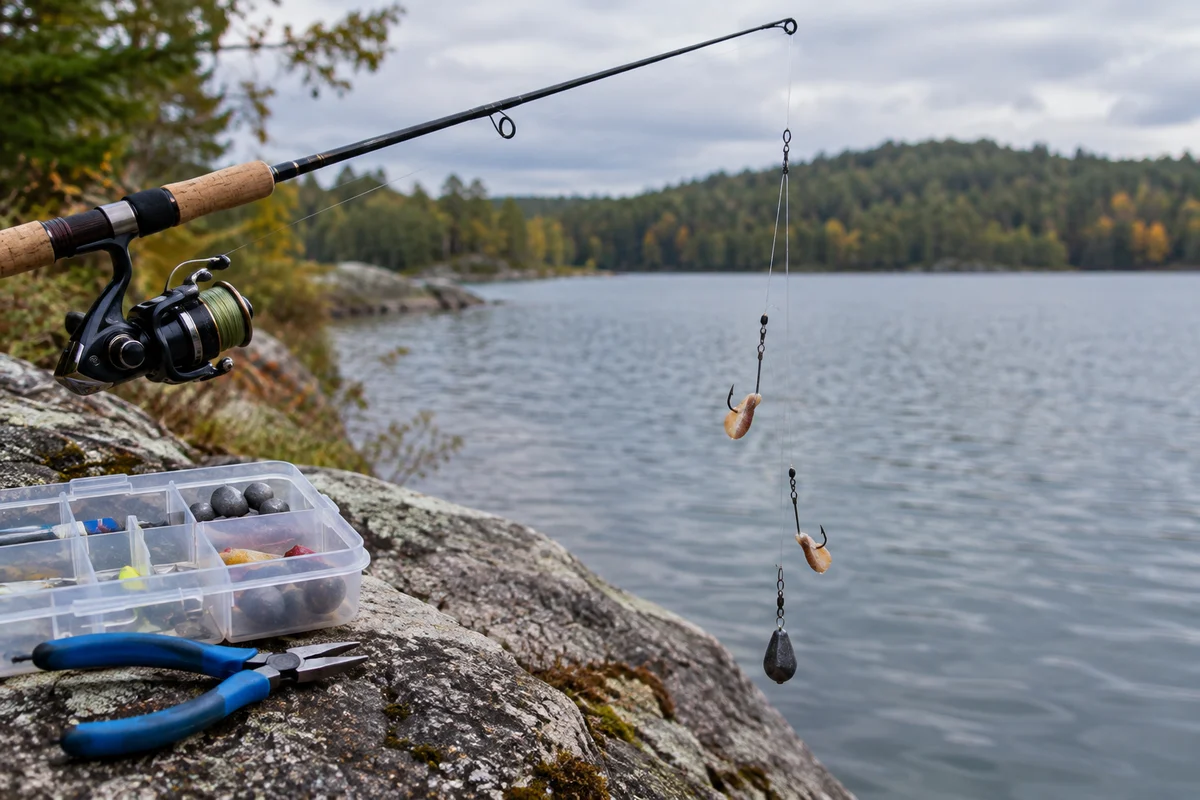
The familiar version is often called a sliding-sinker or fish-finder rig. The line passes through a sinker, then ties to a swivel; a separate leader and hook attach to the other end. When a fish takes the bait and moves, line may travel through the sinker rather than pulling the entire weight at once. That does not guarantee a fish will feel no resistance—the sinker can lodge in weeds or rocks, and a tight line changes the feel—but it provides a useful, adaptable presentation.
This rig suits stillwater and many moderate-current situations where bait should rest near the bottom. It is not automatically the best choice for every species or location. Check local rules for permitted tackle and bait, and use a different rig if a sliding weight is likely to snag or harm fish in the conditions you face. For other bottom presentations, see how to set up dropper rigs.
Gather the basic components
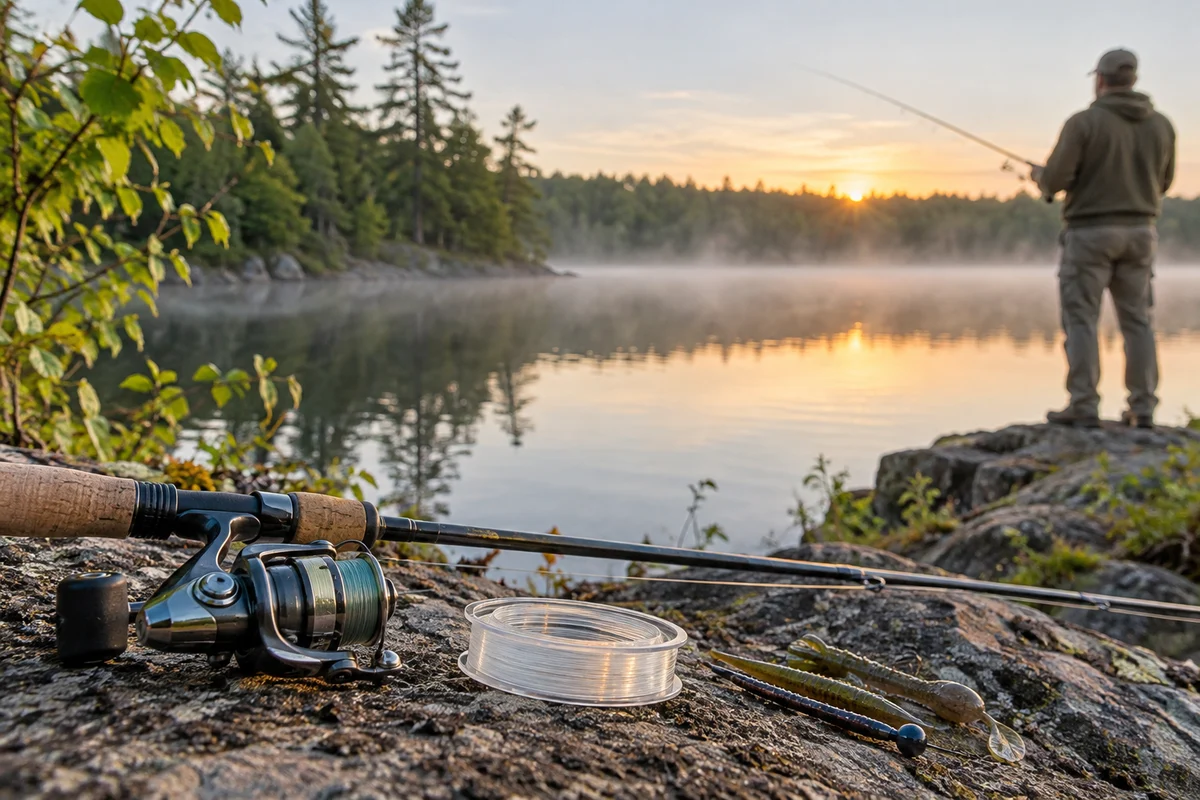
You need a main line, a sliding sinker or a sinker threaded on the line, a small bead if desired, a swivel, leader material, and a hook suited to the bait and fish. Keep a pair of line cutters handy. Choose components that fit together without forcing knots through eyelets or leaving sharp edges against the line.
A sliding sinker has a hole or tube through which the main line runs. A simple egg-shaped sinker works in many settings; a flatter shape may stay put better on some bottoms, while a narrow profile may pass through certain cover more readily. No shape is snag-proof. Select the lightest weight that lets you maintain useful contact with the bottom under the actual wind and current. Excess weight can make bites harder to interpret and can increase the chance of wedging in structure.
A bead between sinker and swivel is optional. It can cushion impacts and help keep the sinker from repeatedly striking the knot. It should have a smooth opening and be large enough not to pass into the sinker’s line channel. Skip it if it adds clutter or catches debris.
Tie the rig step by step
- Slide the sinker onto the main line. Feed the line through its opening, checking that the line moves freely and the sinker has no burrs or rough edges. Orient a tube-style sinker as its design intends.
- Add an optional bead. Place it below the sinker so it sits between the weight and the swivel. It is a buffer, not a substitute for a sound knot.
- Tie on a swivel. Use a suitable, familiar knot and moisten it before snugging. Trim the tag end neatly, then pull-test the connection with steady pressure. A swivel helps connect the leader and can reduce some line twist, though it cannot prevent all twist.
- Attach a leader to the other swivel eye. Start with a manageable length that keeps the bait near the bottom without making casting awkward. Shorter leaders are often easier around snags and in current; longer leaders can let bait move more freely in open water. Treat length as an adjustment, not a fixed rule.
- Tie on the hook and bait it appropriately. Match hook size and style to the bait and target, keeping the point and gap clear enough to function. Follow local requirements on hook type and bait. Avoid leaving loose line, discarded bait containers or broken tackle on shore.
Before fishing, inspect each knot, make sure the sinker slides, and check that the hook is secure. If the line is damaged, roughened, or flattened near the weight or swivel, cut back to sound line and retie. For a closer look at choosing leader material, read fluorocarbon fishing line fundamentals.
Match weight and leader to conditions
Start with a weight that reaches bottom without requiring an overly tight line. In still water, a light sinker may be enough; current, depth, wind and line bow can call for more. Increase weight in small steps and stop once you can distinguish bottom contact from a drifting or lifted bait. If the sinker is rolling, try a shape with more holding surface or reposition to a less exposed area before simply adding substantial weight.
Leader length influences both presentation and control. A compact leader is easier to cast and less likely to wrap around the main line. A longer leader can separate bait from the sinker and allow more movement, but may tangle during casting or collect weeds. Begin with a length you can manage, then change one variable at a time. Note whether the bait stays where intended, whether the rig comes back fouled, and whether bites are easier to detect.
Line choice should reflect abrasion, knots, cover and the fishery rather than a claim that one material is universally best. Check line and terminal tackle after contact with rocks, wood or shells. If you fish near cover, a rig that is easy to retrieve and retie may matter more than a theoretically subtle presentation.
Detect bites without losing contact
Cast toward the chosen area and let the sinker settle. Take up only enough slack to keep track of the rig; pulling hard can drag the weight and move the bait. A rod tip, line movement or a change in tension can signal a bite, but wind and current also move line. Pause and assess rather than assuming every tap is a fish.
The sliding arrangement is not a reason to leave a rod unattended or to use an unsuitable hook. Stay within casting distance, keep control of the line, and follow responsible fish-handling practices. If a fish is deeply hooked or bleeding, use the applicable local guidance for that fishery. When targeting fish for release, select tackle and handling methods that reduce unnecessary fight and handling time.
Common problems and simple fixes
The sinker catches repeatedly. Reduce contact with the snag by changing casting angle or location, trying a less snag-prone weight shape, or using a lighter weight if conditions allow. Do not yank blindly; steady pressure and a changed angle may free tackle, but protect yourself from a recoiling line and sinker.
The rig tangles on the cast. Shorten the leader, check that it is not twisted, and make a smooth cast rather than a sudden snap. Let the rig straighten as it lands. A small change in leader length or bait size can make a noticeable difference.
You cannot feel bottom. Check for excess slack, wind bow or a weight too light for the current. Adjust gradually; if the line remains difficult to control, move to a sheltered position or different presentation rather than continually increasing weight.
Bites seem difficult to read. Keep a consistent amount of line tension and watch for changes, but avoid dragging the sinker. Inspect the line and knots regularly. For additional freshwater techniques and related advice, explore more outdoor coverage.
A dependable starting point
The most useful slip weight rig is the one that reaches the intended area, stays manageable, and can be checked quickly. Thread on a smooth sliding sinker, protect the swivel knot if needed, connect a practical leader and a suitable hook, then test the rig before committing to a long session. Adjust weight for bottom contact and leader length for control and bait movement. Conditions change, so inspect the line, observe how the rig behaves, and follow local fishing rules rather than relying on a single setup as a universal answer.
Frequently asked questions
Does a slip weight rig work in current?
Yes, in many moderate-current situations, provided the sinker is heavy and shaped enough to hold near the intended area. If it rolls or drifts, adjust the weight or position gradually and follow local tackle rules.
How long should the leader be on a slip weight rig?
There is no universal length. A shorter leader is typically easier to cast and control around snags; a longer one can allow more bait movement in open water but may tangle. Start with a manageable length and adjust to conditions.
Should I use a bead between the sinker and swivel?
A bead is optional. It can cushion the knot from repeated contact with the sinker, but use one with a smooth opening that cannot enter the sinker channel, or omit it if it catches debris.
Sources & further information
Consult these primary sources for current regulations, technical information and local guidance.