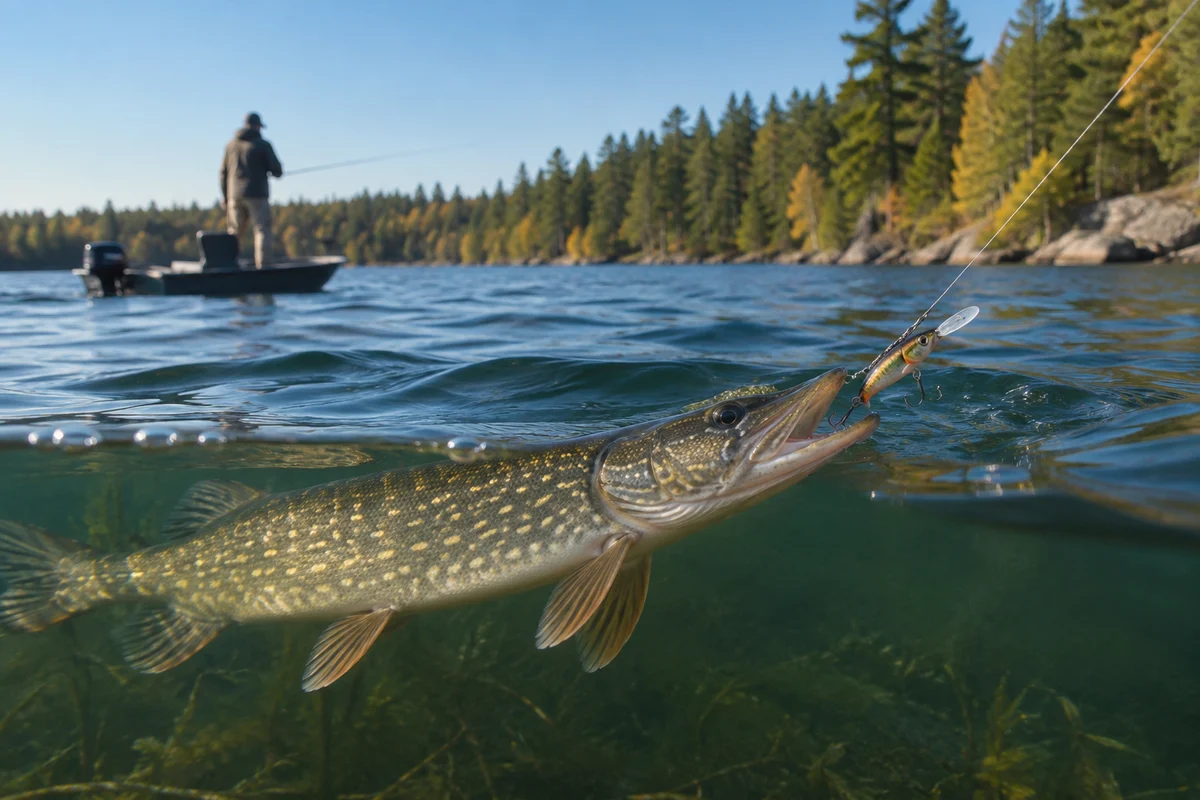
Fall Northern Pike Fishing: Find, Catch, and Release Big Pike
Cooling water can reposition pike and their prey, but no single pattern works everywhere. Use this practical guide to locate likely habitat, adjust your approach, and handle fish carefully.
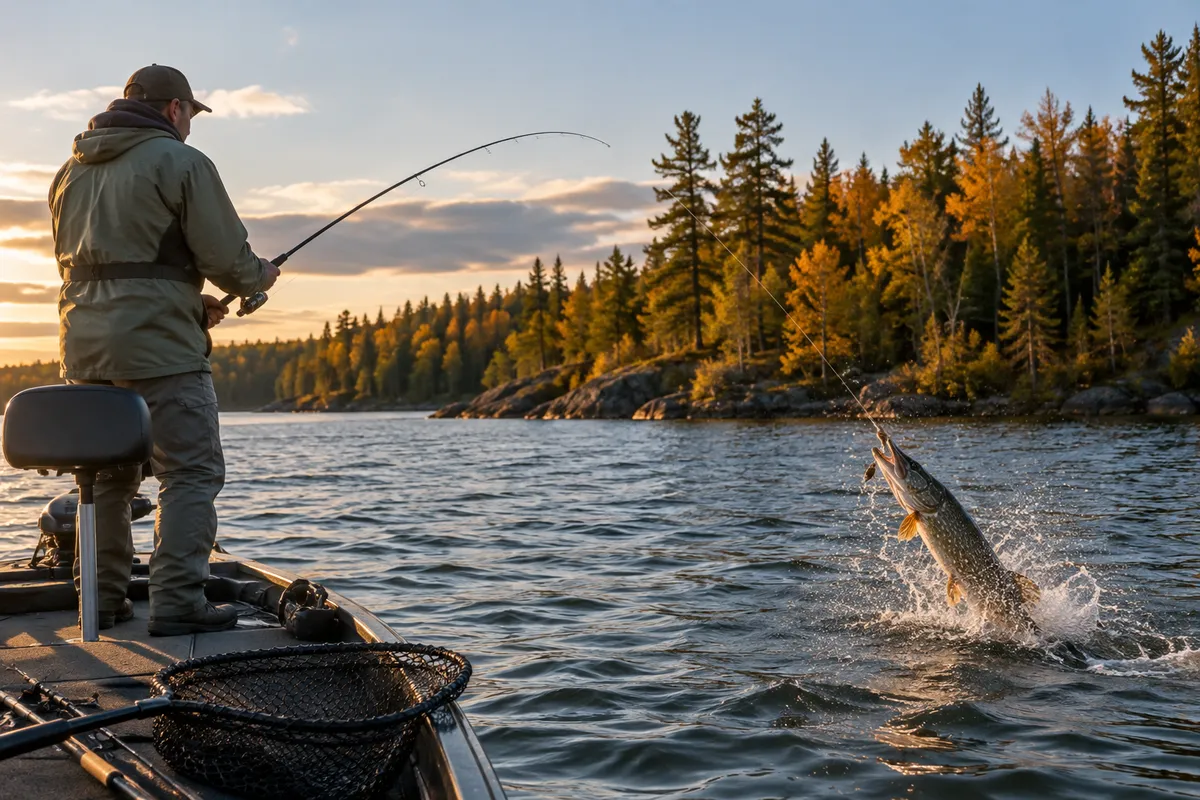
Fall northern pike fishing is less about finding a magic lure than reading how cooling water, vegetation, and prey change from week to week. Pike may feed actively during autumn, but their location depends on local water temperature, forage, wind, and habitat. A plan built around observation and small adjustments is more dependable than assuming every lake follows the same calendar.
Start with a map and current local rules, then look for places where shallow feeding areas meet deeper refuge. Work carefully, change one variable at a time, and prepare your landing and release tools before the first bite.
Where to look for pike in fall
Pike are ambush predators that often use cover near prey. In early fall, surviving green weeds, weed edges, and shallow bays can continue to hold baitfish and pike. As vegetation dies back or water cools, fish may shift toward remaining healthy cover, points, channel edges, or nearby depth. These are useful places to investigate, not guarantees.
Use a lake map to identify transitions: a flat that drops into a basin, a weedline beside a point, or a creek channel close to a shallow bay. On the water, look for active baitfish, birds working over forage, and wind pushing food toward a bank. A breeze can make one shoreline more promising, but safety comes first; avoid exposed water when conditions exceed your boat, clothing, or skill.
The best depth can change within a day and between lakes. If you see no signs of prey or pike after a careful pass, move to the next nearby edge rather than repeatedly fishing empty water. Keep notes on water temperature, wind direction, vegetation, and where you encounter bait. Those observations help distinguish a genuine pattern from a lucky cast.
Choose a presentation for the conditions
A practical starting point is a search presentation that lets you cover water along an edge. A swimbait, spoon, spinnerbait, or other locally legal lure can be retrieved steadily past cover. The point is not that one category is universally best; it is to make the lure visible and controllable at the depth you are fishing.
If pike follow but do not strike, change the speed, depth, or direction of the next pass. A pause or a change in pace may help, but avoid letting a lure sink into snags if you cannot see or control it. If fish are holding tight to cover, cast parallel to the edge when possible so the lure spends more time in the likely strike zone. In open water, use a systematic fan of casts and move on when the area appears unproductive.
| What you observe | First adjustment | What to check next |
|---|---|---|
| Baitfish or activity near a weed edge | Work the edge at a controlled depth | Whether the cover is still green and accessible |
| Follows without strikes | Vary retrieve pace or make a different-angle pass | Whether the lure is running above or below the fish |
| Dying weeds and poor visibility | Search remaining healthy cover or a nearby transition | Water clarity, snags, and safe boat position |
| No forage signs after several passes | Move to another point, bay, or depth change | Wind, temperature, and other likely prey locations |
This is a decision aid, not a fixed seasonal formula. Local forage and lake structure can override the pattern. When conditions change, reassess rather than forcing yesterday’s approach.
Tackle and landing preparation
Pike have sharp teeth and can thrash vigorously. Use tackle appropriate to the size of fish you may encounter and the cover you are fishing, along with a leader suitable for toothy fish. Check knots and leaders regularly, especially after contact with a fish or vegetation. Local regulations may specify permitted tackle or methods, so verify them before fishing.
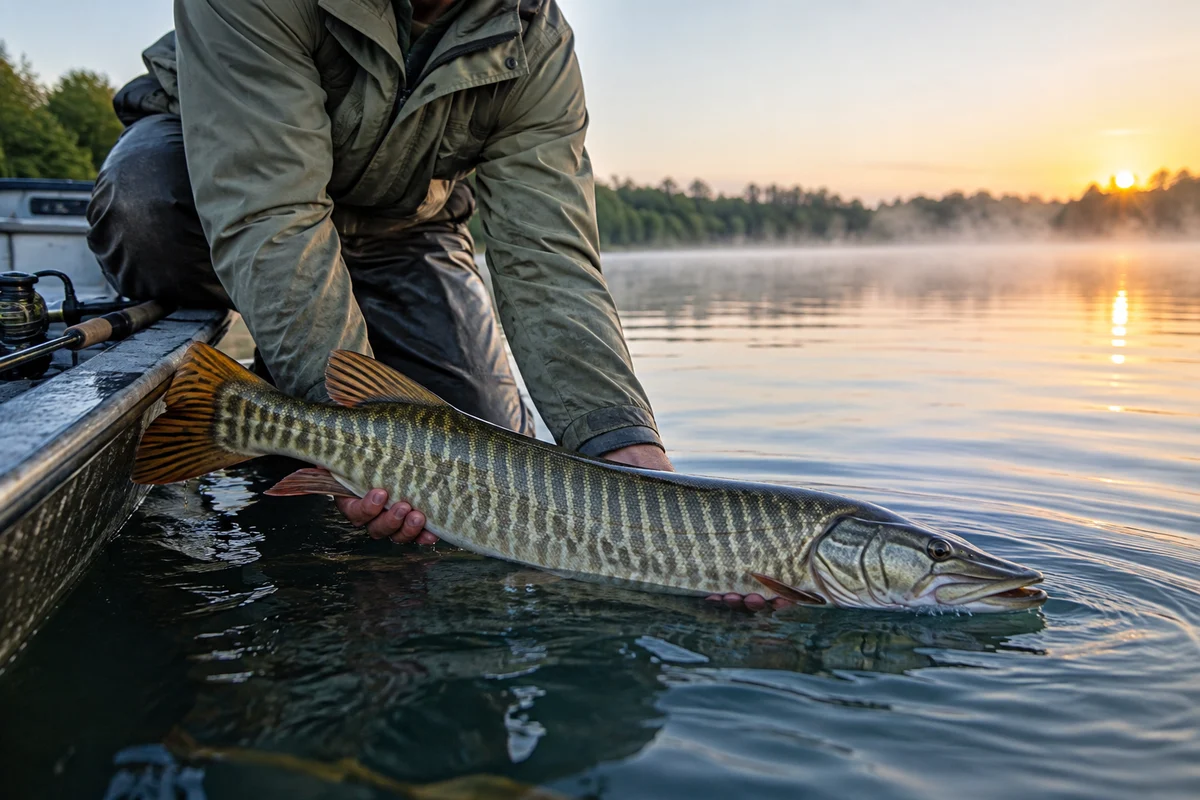
Have long-handled pliers or forceps, a suitable landing net, and a measuring device ready. Keep hands away from the mouth and gill area, and do not lift a large fish by the gill plate or eyes. If you intend to release the pike, decide in advance how you will minimize time out of water. Wet hands before handling, support the fish horizontally, and return it promptly when it can swim away under its own power. Follow local guidance for fish that are deeply hooked or appear badly injured.
Cold weather adds another consideration: exposed fish can be stressed by air and cold surfaces. Keep the fish over the water when practical, avoid placing it on dry ground or ice, and have a plan that does not depend on a prolonged photo session. If conditions make safe handling difficult, change the plan or stop fishing.
A simple fall trip checklist
Before leaving, check the current fishing regulations for the exact waterbody, including season dates, size limits, possession limits, and any special rules. Confirm weather and wind forecasts, tell someone your plan when appropriate, and bring clothing for changing conditions.
On the water, use this sequence:
- Locate transitions. Start where shallow cover meets a drop, point, or channel edge.
- Look for evidence. Watch for baitfish, healthy vegetation, and wind-driven activity.
- Cover water deliberately. Make controlled passes and note the depth and direction that produce signs of fish.
- Adjust one factor. Change retrieve, depth, or angle before changing everything at once.
- Move when evidence fades. Revisit productive water later if conditions change, but do not assume fish remain there.
- Land and release responsibly. Keep tools ready, handle fish gently, and follow local rules.
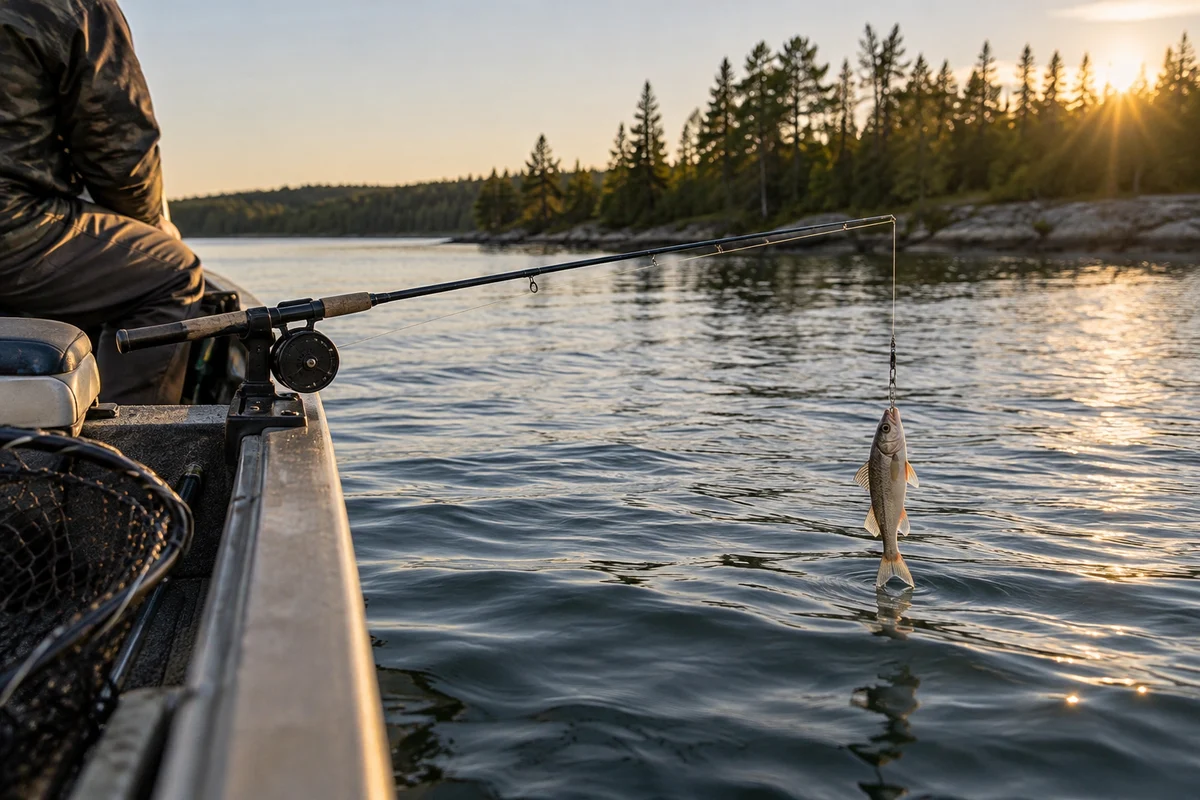
For a slower presentation focused on pike, see our guide to deadbait fishing for pike. If you are comparing approaches for other large esocids, the overview of muskie fishing tips offers useful perspective while recognizing that species and local regulations differ. For a broader starting point, read how to fish for pike.
Regulations and local differences
Pike seasons, size limits, possession rules, and special waterbody restrictions vary by jurisdiction and can change. Check the current official regulations for the state or province where you plan to fish; do not rely on an old article, a map label, or a rule from a neighboring water. Regulations may also distinguish northern pike from other species or apply special protections to particular waters.
Seasonal timing varies as well. A northern lake may cool and lose vegetation earlier than a shallow lake farther south. Water clarity, depth, forage species, and weather all affect where fish position. Treat seasonal advice as a way to form a search plan, then let current conditions determine your next move.
Fall pike fishing is most rewarding when each location and presentation is a testable hypothesis. Find a transition, look for prey, make a controlled adjustment, and keep a record of what the water tells you. That approach makes a short outing more purposeful and helps build a useful pattern without mistaking one successful day for a universal rule.
For more, explore our muskie fishing guides.
Frequently asked questions
Where should I look for northern pike in fall?
Begin at transitions between shallow cover and nearby depth, such as weed edges, points, and channel margins. Look for healthy vegetation and signs of prey, then adjust to the lake’s conditions.
What is a good lure for fall northern pike?
There is no universally best lure. Choose a locally legal presentation you can control at the depth and cover you are fishing, then vary retrieve speed or casting angle if fish follow without striking.
Do northern pike move shallow in autumn?
Some pike use shallow bays and remaining vegetation when prey is there, while others hold near deeper edges. Their position varies with water temperature, forage, vegetation, and lake structure.
How can I release a northern pike safely?
Prepare a suitable net and long-handled tools before fishing. Handle the fish gently with wet hands, support it horizontally, minimize time out of water, and follow local guidance and regulations.
Sources & further information
Consult these primary sources for current regulations, technical information and local guidance.