Chesapeake Bay Retriever History: The Chessie’s Working Roots
The Chesapeake Bay retriever developed as a capable waterfowl dog in a demanding coastal landscape. Understanding its history helps explain the breed’s distinctive working traits—and why good training and thoughtful care matter today.
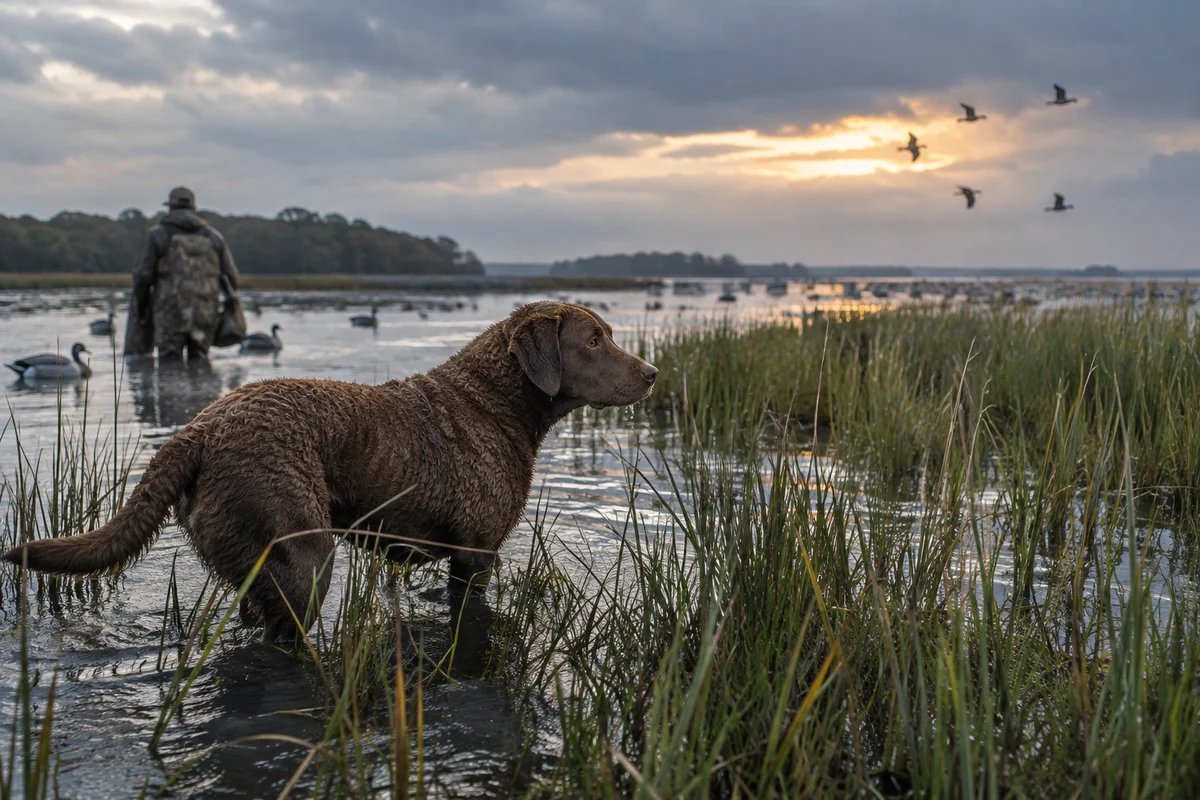
The Chesapeake Bay retriever history is closely tied to the working shores and changing weather of the Chesapeake region. The breed, often called the Chessie, was shaped as a practical waterfowl dog: strong in cold water, persistent on long retrieves, and able to work with a handler in difficult conditions. Its story is not just about a rugged coat or a reputation for determination. It also reflects the relationship between local hunting, dog breeding, and the demands of a particular landscape.
Historical accounts commonly describe the breed’s development in the nineteenth century, with early dogs associated with the Chesapeake Bay area and the work of retrieving waterfowl. Details in popular retellings can vary, so it is useful to distinguish broadly accepted breed history from colorful anecdotes that are hard to verify. The most durable lesson is that the Chessie was developed for work, and its physical and behavioral characteristics make more sense when viewed in that context.
What shaped Chesapeake Bay retriever history?
The Chesapeake Bay watershed includes open water, marshes, shorelines, and tributaries. Weather can shift quickly, and waterfowl retrieval may involve cold water, wind, waves, and long distances. A dog expected to retrieve birds in those conditions needed endurance, confidence, and a coat suited to repeated exposure to water.
The Chesapeake Bay retriever emerged as a regional working breed rather than as a companion breed designed primarily for appearance. Selection favored dogs that could swim strongly, work persistently, and respond to a handler. This does not mean every individual has identical instincts or temperament. It does explain why the breed is often described as energetic, purposeful, and strongly bonded to its people.
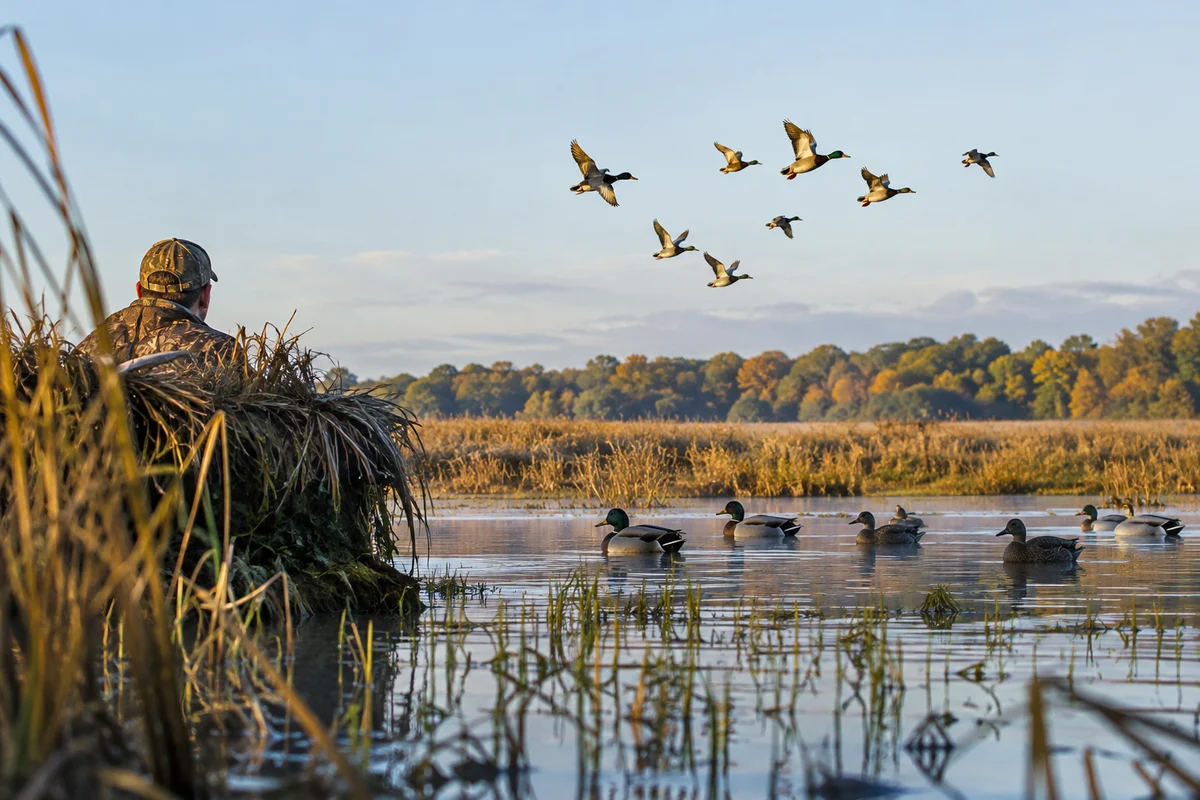
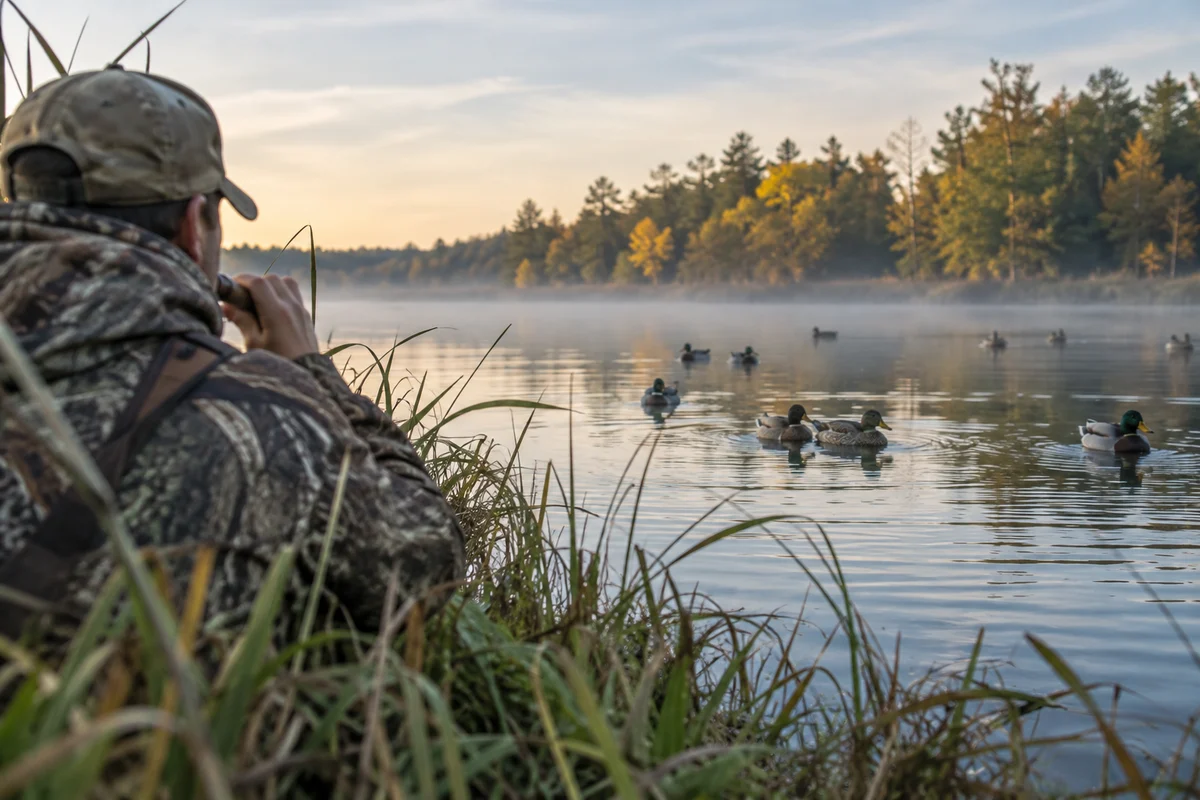
The breed’s history also belongs to a broader waterfowling tradition. Hunters relied on dogs to retrieve downed birds from places people could not easily reach. Today, ethical hunting depends on lawful seasons, safe practices, and prompt retrieval, but the underlying working partnership remains central to understanding the Chessie. For background on the field context, see this guide to duck and goose decoys and the overview of best duck dog breeds.
From regional worker to recognized breed
As the Chessie became better known beyond its home region, breeders and dog organizations helped establish a consistent breed identity. Breed recognition records and standards are useful for understanding how a breed is described, but they do not tell the whole story of how any particular dog will behave. A written standard summarizes desired characteristics; it is not a guarantee of health, suitability, or working ability in an individual animal.
The Chesapeake Bay retriever is one of the American retriever breeds, alongside dogs developed for different regional needs and preferences. It is generally recognized by its dense, water-resistant double coat, broad head, athletic build, and range of brownish coat shades. These characteristics connect visually to its working past, but responsible ownership means evaluating the dog in front of you rather than assuming that appearance predicts performance.
Careful research matters when looking for a puppy or adult dog. Ask about health screening, temperament, socialization, the parents’ work or activity, and the breeder’s approach to matching dogs with homes. A rescue organization may also be a good route for people prepared to learn an adult dog’s history and needs. Avoid choosing on reputation alone: a demanding working breed can be a poor fit for a household that cannot provide time, structure, and regular activity.
How history explains the Chessie’s traits
A breed shaped for water retrieves is likely to need more than occasional exercise around the block. Many Chessies thrive when physical activity is paired with training and purposeful problem-solving. Retrieving, scent games, obedience, tracking, and suitable water work can provide useful outlets, but activities should be introduced progressively and adapted to the dog’s fitness, age, and health.
The breed is often described as independent or determined. Those terms are best treated as tendencies, not fixed rules. A dog that has been bred for initiative in the field may not respond well to repetitive, unclear handling. Consistent training, rewards the dog values, clear cues, and patient practice help build cooperation. Early socialization should be positive and controlled, with care taken not to overwhelm a young dog.
The coat is another area where history and everyday care meet. A dense double coat helps protect a working dog in wet conditions, but it does not make a dog immune to cold, exhaustion, or water hazards. Monitor conditions, provide fresh water and rest, and dry the dog after wet work. Grooming needs vary by coat and season; regular brushing and routine checks for skin irritation, debris, and parasites are sensible. Ask a veterinarian for advice tailored to the individual dog.
A practical fit check for prospective owners
| Consideration | Questions to ask | What a good plan looks like |
|---|---|---|
| Daily activity | Can the household provide regular exercise and engagement? | A reliable routine with both movement and training, adjusted to the dog’s age and health. |
| Training | Is everyone willing to use consistent, humane methods? | Shared cues, short practice sessions, and patient reinforcement rather than force or confusion. |
| Water safety | Will the dog work or play near cold, deep, or moving water? | Close supervision, gradual conditioning, safe access, and an exit plan; never assume a strong swimmer is risk-free. |
| Household fit | Are children, visitors, and other animals part of the home? | Thoughtful introductions, supervision, boundaries, and realistic expectations for an active dog. |
| Sourcing | Can the source explain health, temperament, and history? | Records and candid answers, with time to assess the match rather than pressure to decide quickly. |
A working breed in modern waterfowling
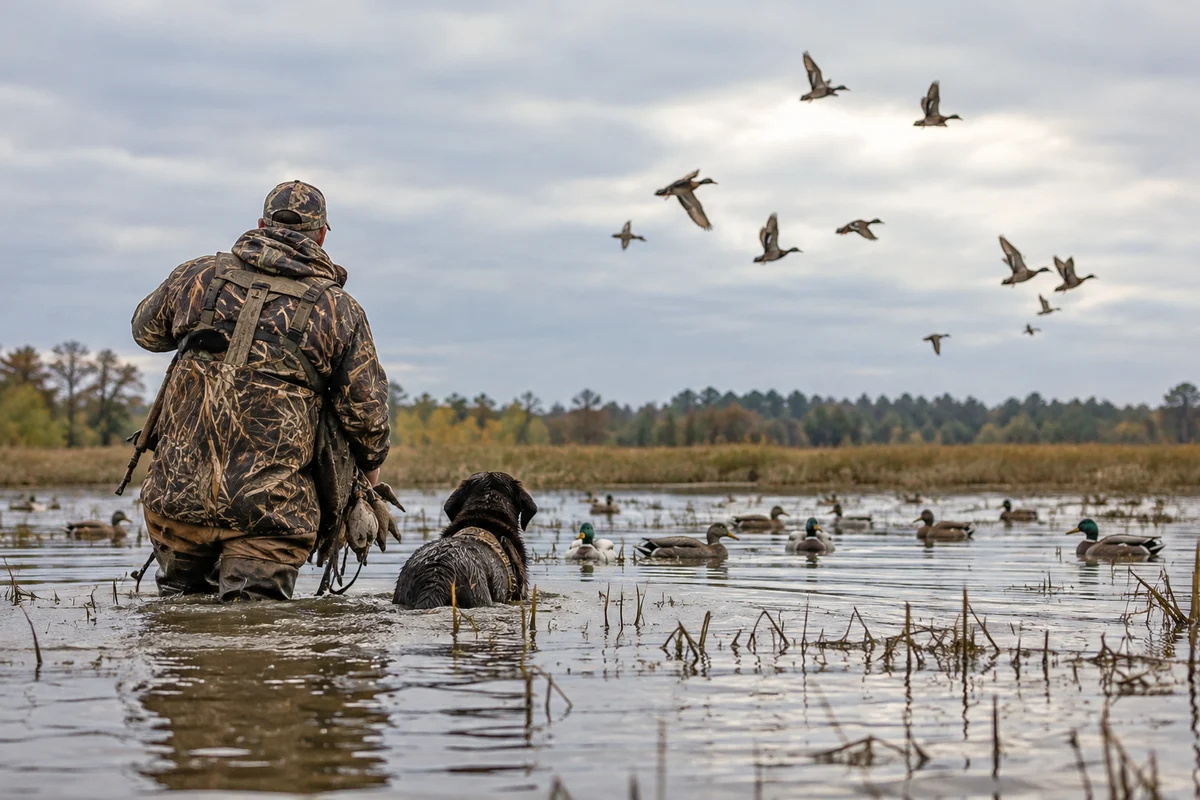
For hunters, a Chessie’s heritage can be a starting point for training, not a substitute for it. Reliable retrieves require foundation skills, steady behavior, exposure to appropriate environments, and a handler who understands the dog’s limits. Training should prioritize control and safety. Local hunting laws, seasons, access rules, and dog regulations vary, so consult the relevant wildlife agency before taking a dog afield.
Water conditions deserve special respect. Cold water, current, submerged hazards, and fatigue can endanger dogs as well as people. A dog should not be sent into conditions beyond its ability, and handlers should plan retrievals with safety in mind. Fitness and confidence develop over time; they should not be inferred from breed identity. People new to waterfowl dog work may benefit from a qualified trainer or experienced local club.
A dog’s role also depends on the kind of hunting and environment involved. Decoy placement and calling are separate skills, but understanding them can help a handler think through the broader hunt. ODU’s guides to how to call ducks for beginners and duck hunting in the rain tips cover adjacent parts of that field experience.
What breed history can—and cannot—tell you
Breed history can explain why the Chesapeake Bay retriever is associated with water, retrieving, endurance, and a close working partnership. It cannot predict an individual dog’s health, temperament, or skill with certainty. Genetics, early experiences, training, health, and the home environment all influence the dog a person lives with.
Historical storytelling also deserves a little skepticism. Breed accounts sometimes repeat dramatic origin stories as settled fact, even when documentation is limited or versions differ. When details matter, compare reputable kennel-club or breed-club histories and treat uncertain anecdotes as tradition rather than proof. A responsible account can celebrate the Chessie’s regional roots without claiming more certainty than available records support.
The most useful way to appreciate Chesapeake Bay retriever history is to connect the past to responsible decisions now. Learn the breed’s working needs, assess your own time and environment, and seek qualified guidance on health, training, and safe water work. Whether a Chessie becomes a hunting partner or an active companion, respect for its heritage begins with meeting the needs of the dog in front of you.
For more, explore our duckgoose hunting guides.
Frequently asked questions
Where did the Chesapeake Bay retriever originate?
The breed developed in the Chesapeake Bay region of the United States as a working waterfowl retriever, with its history commonly traced to the nineteenth century.
Why was the Chesapeake Bay retriever bred?
It was developed to retrieve waterfowl in demanding coastal conditions, where swimming strength, endurance, persistence, and cooperation with a handler were valuable.
Is a Chesapeake Bay retriever a good choice for a first-time dog owner?
It depends on the person and the individual dog. The breed often needs consistent training, regular activity, and thoughtful socialization, so prospective owners should assess their experience and routine carefully.
Does a Chessie’s coat mean it can safely swim in any weather?
No. A dense coat does not prevent cold stress, fatigue, or water-related danger. Supervise water activity, build conditioning gradually, and consult a veterinarian about the dog’s needs.
Sources & further information
Consult these primary sources for current regulations, technical information and local guidance.