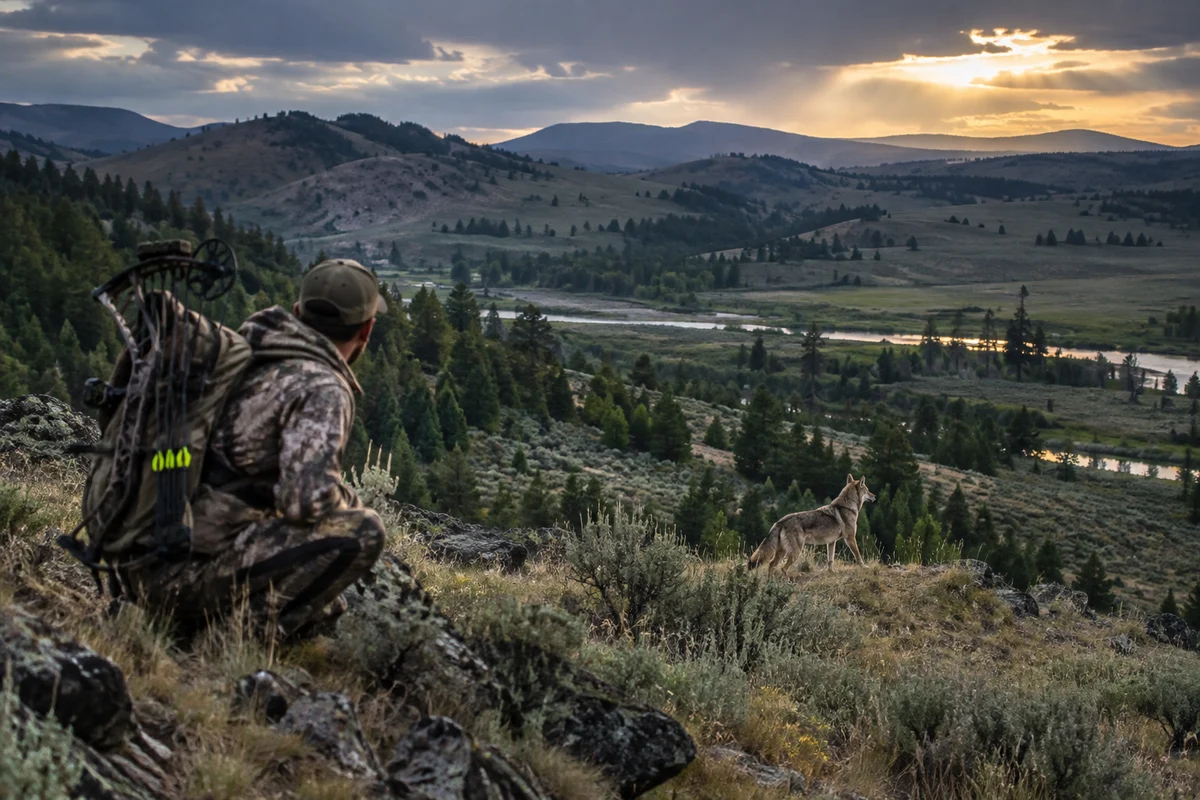
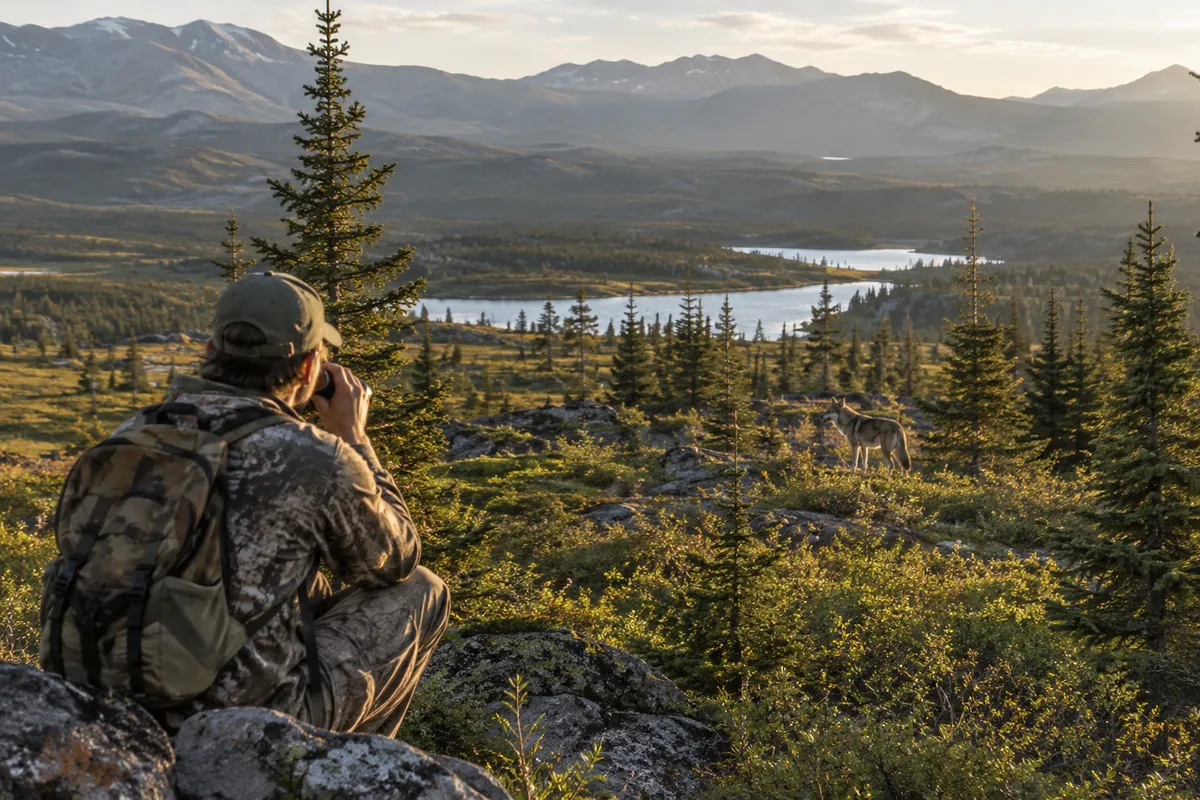
Coyote Hunting Gear: A Practical Field Checklist
Good coyote hunting gear is less about carrying everything and more about choosing dependable, quiet equipment for the land, weather, and rules where you hunt. This guide covers the essentials, optional tools, and a simple way to check your setup before heading out.
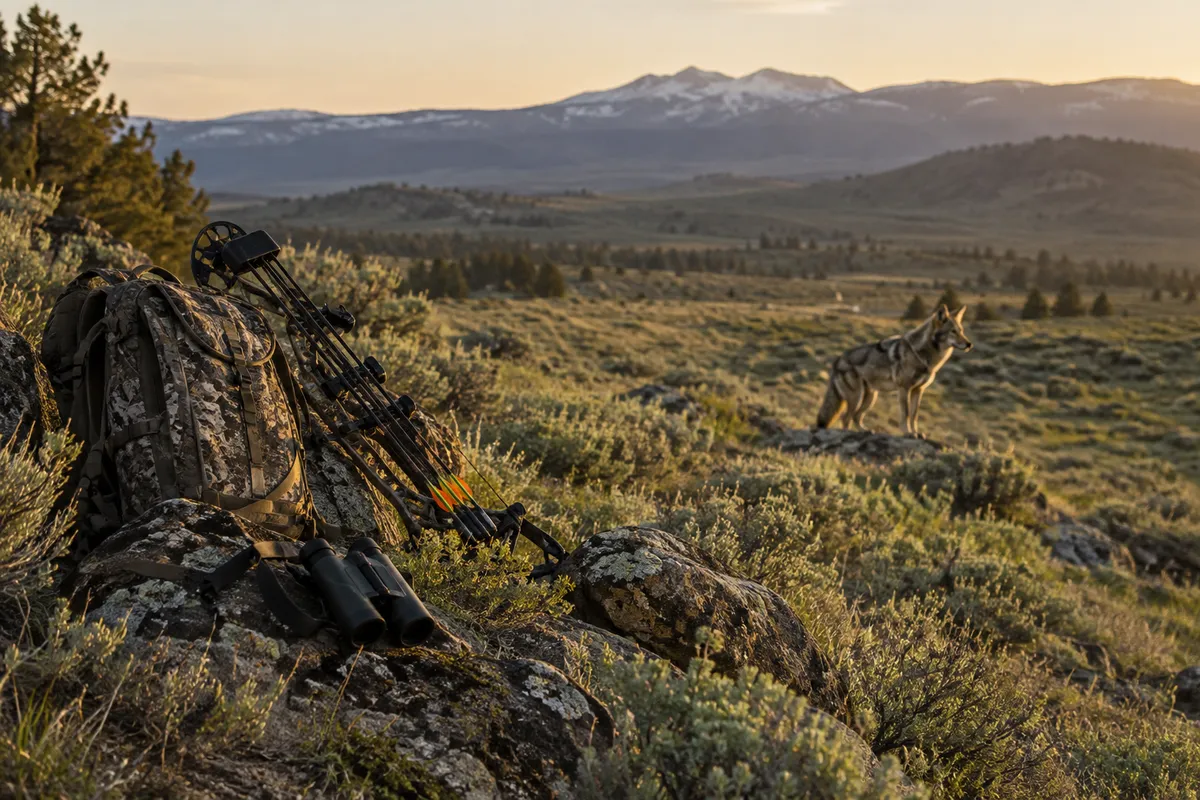
Coyote hunting gear should match the terrain, weather, regulations, and style of hunting—not a universal shopping list. A useful setup keeps you warm and quiet, helps you navigate and communicate, and supports safe decisions in low light. Before gathering equipment, confirm current rules with the wildlife agency where you plan to hunt; seasons, access, permitted methods, and requirements can differ by location and change over time.
Start with the place and the rules
Scout the conditions you can verify: expected temperature, wind, precipitation, daylight, terrain, and how far you will be from your vehicle or shelter. Consider whether you will be on public or private land, whether permission or a permit is required, and what boundaries or closures apply. Check the current regulations rather than relying on an old article, a map screenshot, or another hunter’s recollection.
For a broader overview of setting and preparation, see our predator hunting guide. If your plans involve firearms, treat safe handling and local legal requirements as non-negotiable; this article is not a substitute for formal instruction or the rules in your jurisdiction.
The core kit: dependable before elaborate
Build around a few categories. The right choice is the one you know how to use and can keep in working order.
| Category | Practical starting point | Check before leaving |
|---|---|---|
| Clothing | Quiet, weather-appropriate layers and footwear suited to the ground | Forecast, wind, precipitation, and visibility needs |
| Navigation | A map and a charged phone or GPS device; carry a backup plan | Offline map access, battery, route, and property boundaries |
| Light | A dependable headlamp or flashlight, plus spare power where appropriate | Function, battery level, and legal restrictions on use |
| Communication | A charged phone and a plan shared with someone reliable | Coverage limits, check-in time, and emergency contact |
| Calls | A simple hand or electronic call only if lawful and appropriate | Regulations, batteries, and familiarity with the device |
| Field essentials | Water, basic first aid, and a way to carry out litter | Access to supplies and a realistic return-time plan |
This list is a framework, not a claim that every item is mandatory everywhere. Adapt it to the trip, your experience, and local requirements.
Clothing and concealment are about comfort and movement
A coyote setup often involves waiting still and moving carefully, so clothing should manage both. Start with a moisture-managing base layer, add insulation for the conditions, and use an outer layer that sheds the weather you expect. Avoid choosing garments solely by camouflage pattern: fit, quiet fabric, warmth, and freedom of movement matter. A pattern that blends into one landscape may stand out in another, and no clothing makes a person invisible.
Footwear deserves particular attention. Match it to the route—mud, snow, brush, or firm ground—and make sure it is already comfortable enough for the expected walk. A small blister kit can be more useful than a specialized accessory if you have to cover uneven ground. Carry layers so you can adjust when activity and temperature change.
Visibility and identification requirements are jurisdiction-specific. Check whether the season or location calls for particular colors or other safety measures, and follow those rules even when they affect concealment. Never assume a garment or accessory is compliant simply because it is commonly used elsewhere.
Calls: keep the plan simple and legal
Calls can be hand-operated or electronic, but technology does not replace judgment. Learn the basic operation of your chosen device before the outing, check batteries, and consider how you will keep it secure and quiet while moving. Confirm whether electronic calls are permitted for the species and season in your location; regulations may distinguish among methods.
A call is one part of a broader approach to predator hunting. Wind, access, terrain, and the possibility of encountering other people or animals should shape where and how you hunt. Keep calls and other equipment from creating confusion about your location. Do not use a call where it could draw activity toward roads, homes, livestock, or an unsafe line of sight.
Navigation, communication, and low-light safety
Low light makes familiar ground harder to read. Mark your route before setting out, know the boundaries you must not cross, and save maps for offline use if service may be unreliable. A phone is useful but should not be your only navigation or communication plan: cold can reduce battery life, devices can be damaged, and coverage is never guaranteed.
Tell someone where you intend to go and when you expect to check in. If the plan changes, update them when possible. Pack a light you can use hands-free and a backup power option suited to the trip. Use lights in ways that comply with local regulations and do not assume that a headlamp or phone screen will be enough for every return route.
Respect other land users. Identify your surroundings before acting, keep a safe awareness of roads, buildings, livestock, and people, and stop if visibility or conditions are uncertain. If a situation feels ambiguous, do not proceed. Safe choices take precedence over completing a hunt.
Firearm-related equipment: safety and compliance only
Where lawful hunting involves a firearm, safe storage, transport, and handling are essential. Follow the manufacturer’s instructions, applicable laws, and recognized safety training. Keep firearms secured when not in use, and transport them as local rules require. Do not handle a firearm when tired, impaired, or unable to clearly identify what is beyond the intended target area.
Rules governing permitted equipment, seasons, and methods vary. Consult your state or provincial wildlife agency and relevant local authorities; do not infer legality from a product description or another region’s practice. For cartridge selection as a general informational topic, our coyote hunting cartridge overview discusses considerations without replacing qualified instruction or legal guidance.
Optional gear: decide by need, not novelty
A binocular can help you observe distant terrain, but it is not a substitute for safe identification. A compact seat or pad may improve comfort during a stationary wait. A weatherproof pouch can protect essentials, while a small repair item may address a loose strap or torn seam. These are conveniences, not requirements.
Use a simple decision test before adding an item:
- What specific problem does it solve? If you cannot name one, leave it at home.
- Can you use it safely and reliably? Practice in a controlled setting before depending on it outdoors.
- Does it add weight, noise, or complexity? Consider whether the benefit outweighs those costs.
- Is it permitted where you hunt? Verify the current rule with the relevant agency.
- What is the backup? Critical needs such as navigation and communication deserve a contingency plan.
For adjacent predator topics, read our overview of coyote choke considerations and our article on recognizing a black coyote in Michigan. These cover different questions; neither is a substitute for checking current regulations or identifying local conditions.
Pack and check in a repeatable order
A short pre-trip routine catches avoidable problems. First, review regulations, access permission, weather, and daylight. Next, check clothing and footwear against those conditions. Then confirm navigation, communication, lights, and their power sources. Inspect calls and other equipment for basic function, and pack water and first aid. Finally, share your route and check-in plan.
Keep essentials in consistent places so you can find them without rummaging. Separate items that must stay dry, and avoid overloading your pack with duplicate gadgets. After the outing, note what was genuinely useful, what failed, and what should be repaired or replaced. That record can improve your next setup more than adding gear based on someone else’s list.
Limits and uncertainties
There is no single best coyote hunting gear list for every hunter. Climate, access, terrain, physical needs, regulations, and personal experience all affect what is appropriate. Regulations and product availability can change, and gear descriptions may not cover legal restrictions or local safety concerns. Verify important details with the relevant wildlife agency and manufacturer, and seek qualified training for any equipment you are not confident using.
The practical goal is not to carry the most equipment. It is to arrive prepared, stay aware, respect land and wildlife, and return safely with everything you brought in.
Frequently asked questions
What is the essential coyote hunting gear for a beginner?
Start with weather-appropriate quiet clothing, suitable footwear, navigation, a light, communication, water, and basic first aid. Add calls or other equipment only after confirming they are lawful and learning to use them.
Are electronic calls legal for coyote hunting?
Rules vary by location, season, and method. Check the current regulations from the wildlife agency responsible for the area before using any call.
Do I need camouflage for coyote hunting?
Camouflage is not a substitute for safe, lawful preparation. Prioritize quiet clothing, suitable layers, visibility requirements, and awareness of your surroundings.
How should I prepare for low-light conditions?
Plan and save your route, check boundaries, carry a reliable light and backup power, share a check-in plan, and avoid proceeding when visibility makes the situation uncertain.
Sources & further information
Consult these primary sources for current regulations, technical information and local guidance.