Night Fishing Walleyes: A Practical Guide to Finding and Catching Them
Night can bring walleyes into shallower water to feed, but success depends on reading the shoreline, adapting to light and weather, and fishing safely. Here’s a flexible approach for choosing a location, presentation, and pace after dark.
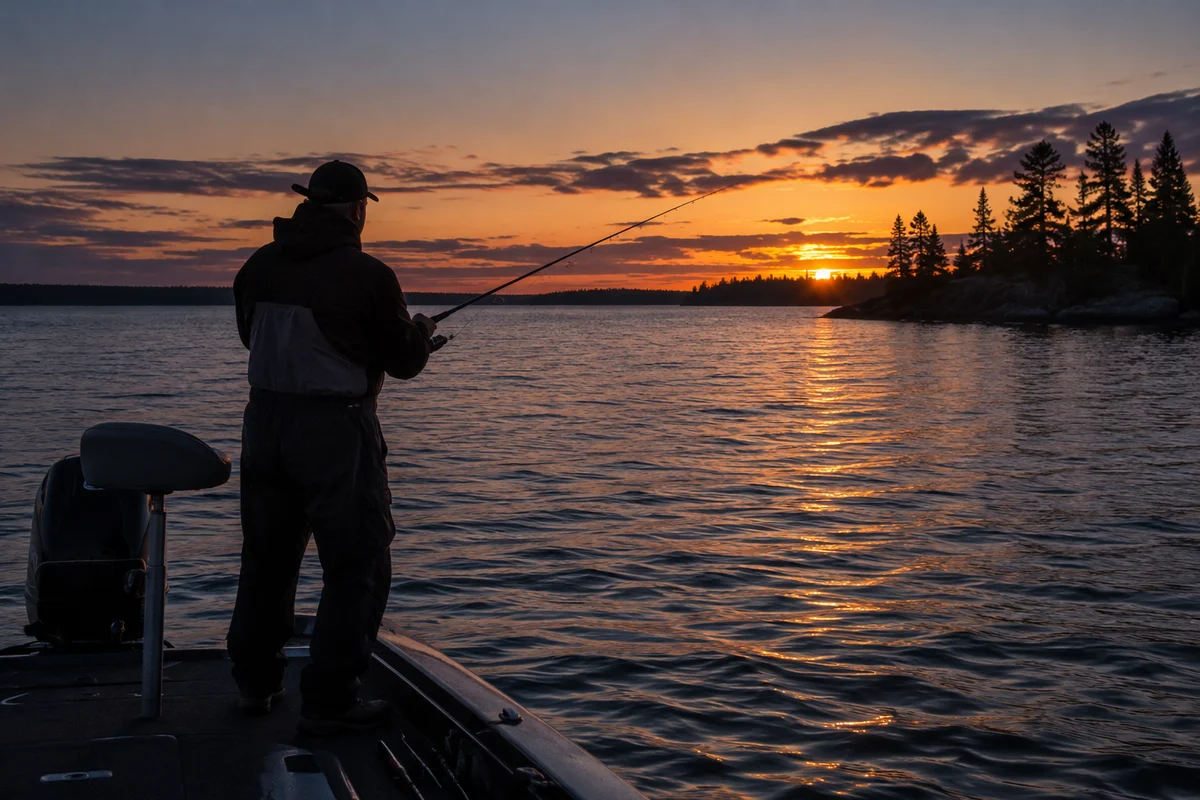
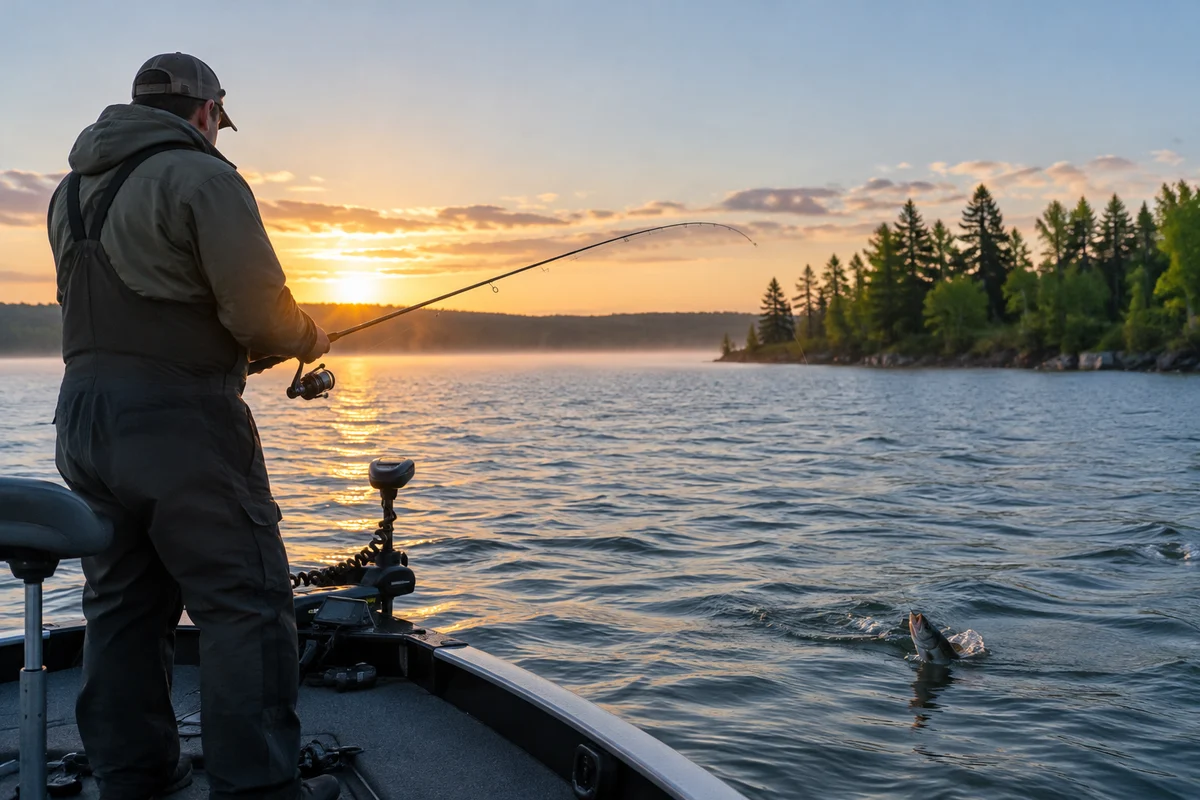
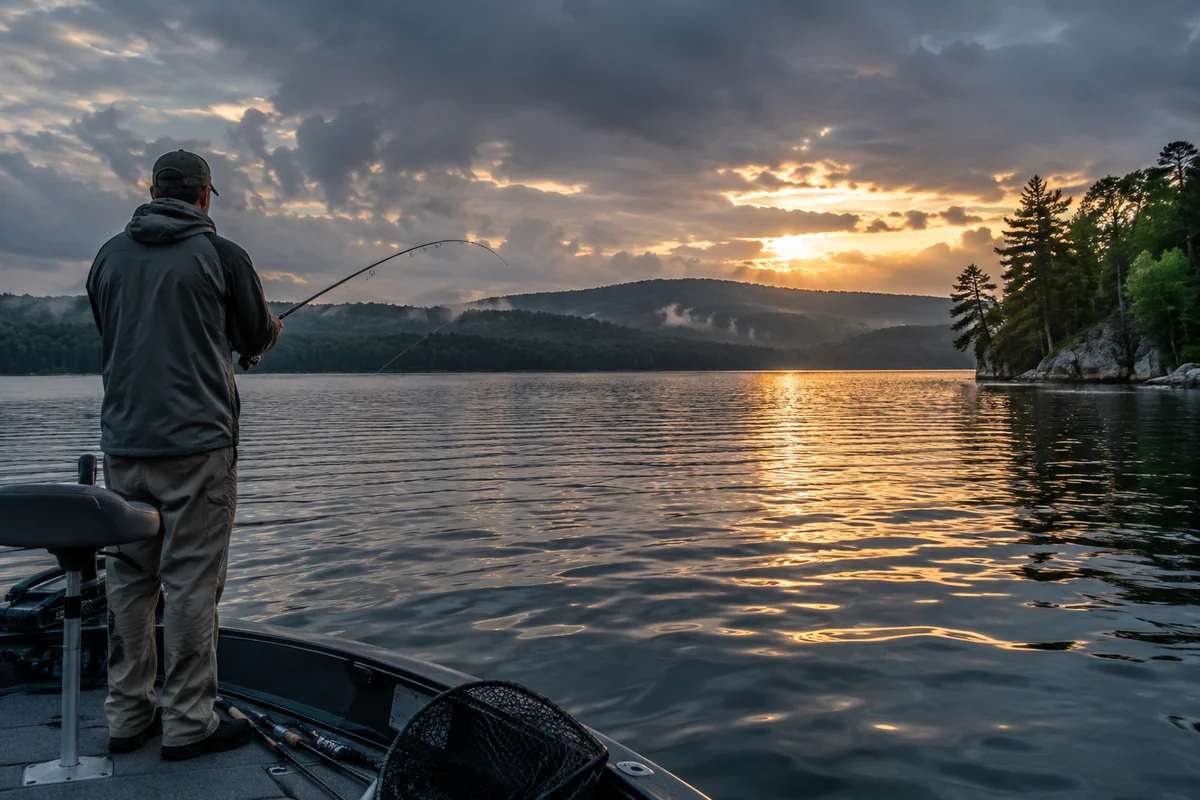
Night fishing walleyes rewards preparation more than complicated tackle. In many lakes and rivers, walleyes move toward shallow edges after sunset to feed, following baitfish and using low light to their advantage. That pattern is useful, not guaranteed: season, water clarity, wind, forage, and local conditions can shift fish deeper or keep them scattered. Treat darkness as one clue among several, and make a plan that lets you adjust without rushing.
Begin with a place you can navigate confidently in daylight. Study a map, identify a gradual point, rocky shoreline, weed edge, or channel margin, and note safe access and likely hazards. If you are fishing from shore, choose a bank with room to cast and a clear route back. If you are in a boat, mark the launch, establish a slow route, and check navigation lights and local requirements before leaving.
Why walleyes may move shallow after dark
Walleyes are adapted to low-light feeding, and prey often gathers along shallow structure at night. A rocky point, the outside edge of a weed bed, or a gently sloping flat beside deeper water can provide both access to forage and a nearby retreat. The best location is often not the shallowest water, but a transition fish can reach easily.
Think in terms of a connected route: deep water nearby, a travel edge, and a feeding area. In clear water, fish may hold farther from shore or at the edge of a lighted area. In stained water, they may use shallower cover. Wind can push food toward a bank or point, but strong conditions can make that shoreline unsafe. Don’t assume one feature explains every night’s fishing.
Choose a starting location and presentation
Use the day’s conditions to make a first choice, then fish it methodically. A calm, clear evening may call for a subtle approach along a point. A moderate breeze and some wave action can make a windward edge worth checking, provided the footing or boat control is safe. In current, focus on seams and slower water adjacent to the flow rather than placing yourself where footing or boat handling becomes uncertain.
| Conditions | Starting area | First presentation | What to watch |
|---|---|---|---|
| Clear water, calm | Point or edge with a quick route to deeper water | A steady, unobtrusive cast-and-retrieve | Fish may stay beyond the bank or boat shadow |
| Stained water | Shallow rock, weed edge, or a distinct break | A lure with a clear, consistent profile | Keep contact with the target zone without snagging repeatedly |
| Light wind toward shore | Protected windward point or accessible bank | Cast across and along the edge | Bait and surface activity may reveal where to focus |
| Current present | Current seam or slack edge near structure | Controlled casts that cross the seam | Avoid unsafe banks, wading, and fast-water positions |
These are starting points, not rules. If you get no signs of bait, follows, or bites, change one variable at a time: move along the edge, alter retrieve speed, or try a different depth. That makes it easier to learn what changed the response.
Tackle and lure choices without overcomplicating it
A balanced spinning setup that you can cast accurately is enough for many shore and boat situations. Use line and leader choices suited to the cover, lure, and local conditions; check knots and line for damage before fishing. Carry a small selection of lures that cover different depths and actions instead of a large box that is hard to manage in the dark.
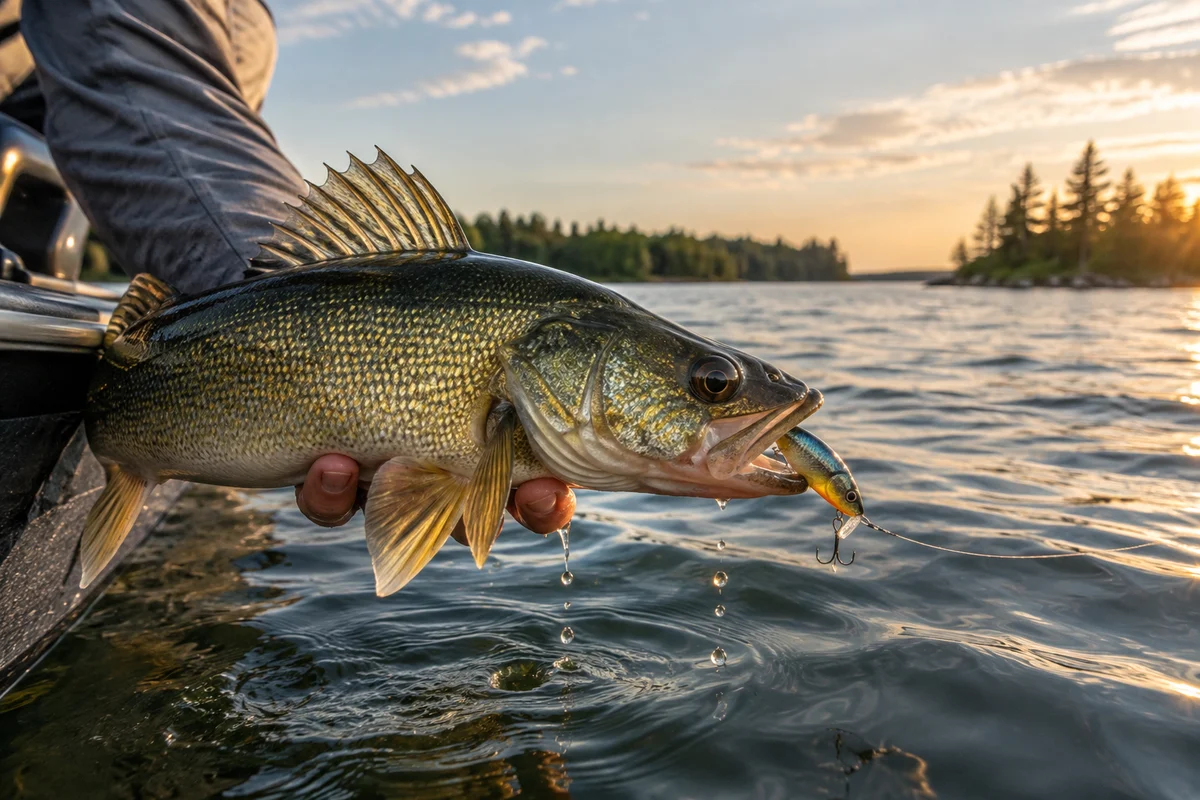
A shallow-running minnow-shaped lure can cover a shoreline steadily. A jig or soft bait can help probe a defined break more slowly, while a suspending presentation may be useful when fish follow but do not commit. No color or style works everywhere. Start with a visible, manageable option and change only when the location and retrieve have had a fair trial.
Keep hooks organized and tools reachable. A headlamp with a red-light setting can help preserve night vision, but use adequate light to handle hooks safely. Keep a landing net, pliers, and a plan for releasing or keeping fish within reach. For more approaches to presenting lures, see our guides to drift jigging for walleye and slip bobbers for walleye fishing.
Work the water in a repeatable way
Make controlled casts that cover the shoreline angle by angle. Begin with casts parallel to the edge, then fan casts toward deeper water or across a point. A lure traveling along the contour may stay in the strike zone longer than one quickly crossing it. Vary retrieve speed in small steps: steady, slightly slower, then a pause or subtle change if the lure allows it.
If you are in a boat, avoid repeatedly crossing over the area you intend to fish. Set a quiet drift or hold position only when conditions and equipment allow. From shore, move slowly and keep a safe distance from the water’s edge. A few careful casts at each likely route are more informative than hurriedly changing lures every minute.
When you get a bite or see activity, note the location, depth, direction of the cast, and retrieve. Check nearby stretches with similar structure. If the bite stops, do not assume the fish vanished; they may have shifted along the edge or changed their feeding window. Conversely, give a quiet area a reasonable trial, then move rather than repeating the same unproductive cast indefinitely.
For a broader range of seasonal presentations, browse the freshwater walleye fishing hub. If winter is your focus, our overview of essential ice fishing lures for walleye covers a different, cold-season approach.
Make night fishing safer
Darkness magnifies small mistakes. Tell someone where you are going and when you expect to return. Check the forecast, water level, access rules, and local fishing regulations before leaving. Wear a properly fitted personal flotation device when boating, and follow applicable navigation-light and boating requirements. On foot, wear shoes with dependable grip, avoid unfamiliar steep banks, and do not wade where depth or current is uncertain.
Use a headlamp when moving or handling tackle, and keep spare batteries accessible. On a boat, secure loose gear and keep the deck clear. Know how you will return to the launch or access point before conditions change. Never let a promising-looking shoreline override safe footing, weather judgment, or local restrictions.
Regulations differ by waterbody and may cover seasons, size limits, possession limits, access hours, and equipment. Verify current rules with the relevant state or provincial fisheries authority. Fish handling also matters: wet your hands before touching a fish, minimize time out of water, and release it promptly when required or when you choose to let it go.
A simple decision checklist
Before the first cast, answer four questions:
- Where can fish travel? Mark a shallow feeding edge beside deeper water or current.
- What is the light and water clarity? Use them to choose how far from shore to begin and how visible a presentation should be.
- Can I fish and return safely? Confirm access, footing, weather, lights, and a route home.
- What will I change if this fails? Decide in advance whether you will adjust depth, retrieve, or location.
Night fishing walleyes is not a promise of a quick bite; it is a way to target a period when fish may use shallow feeding routes. A mapped starting point, a measured presentation, and attention to safety make the outing more productive whether or not the fish cooperate. Keep notes across seasons, because the most useful pattern is the one that holds on your particular water under comparable conditions.
Frequently asked questions
What time is best for night fishing walleyes?
Start around dusk and continue into the evening if conditions and access allow. Feeding periods vary by water, season, weather, and forage, so treat timing as a pattern to test rather than a fixed rule.
Where should I look for walleyes after dark?
Try shallow points, rocky edges, weed lines, or flats connected to deeper water. Wind, clarity, current, and available bait can shift the best location from night to night.
What lures work for night fishing walleyes?
A shallow-running minnow-style lure, a jig, or another presentation suited to the depth can be a reasonable starting point. Adjust action and retrieve to the fish and conditions; no single lure is universal.
Is it safe to fish from shore at night?
It can be, if you choose familiar legal access with stable footing, bring reliable lighting, check weather, and avoid steep or unverified banks and unsafe wading. Tell someone your plan and follow local rules.
Sources & further information
Consult these primary sources for current regulations, technical information and local guidance.