Finesse Jig Bass Fishing: A Practical Guide to Getting Bit
A finesse jig offers a compact, controlled way to fish for bass around cover and changing conditions. This guide explains tackle choices, presentations, useful adjustments, and the limits of the approach.
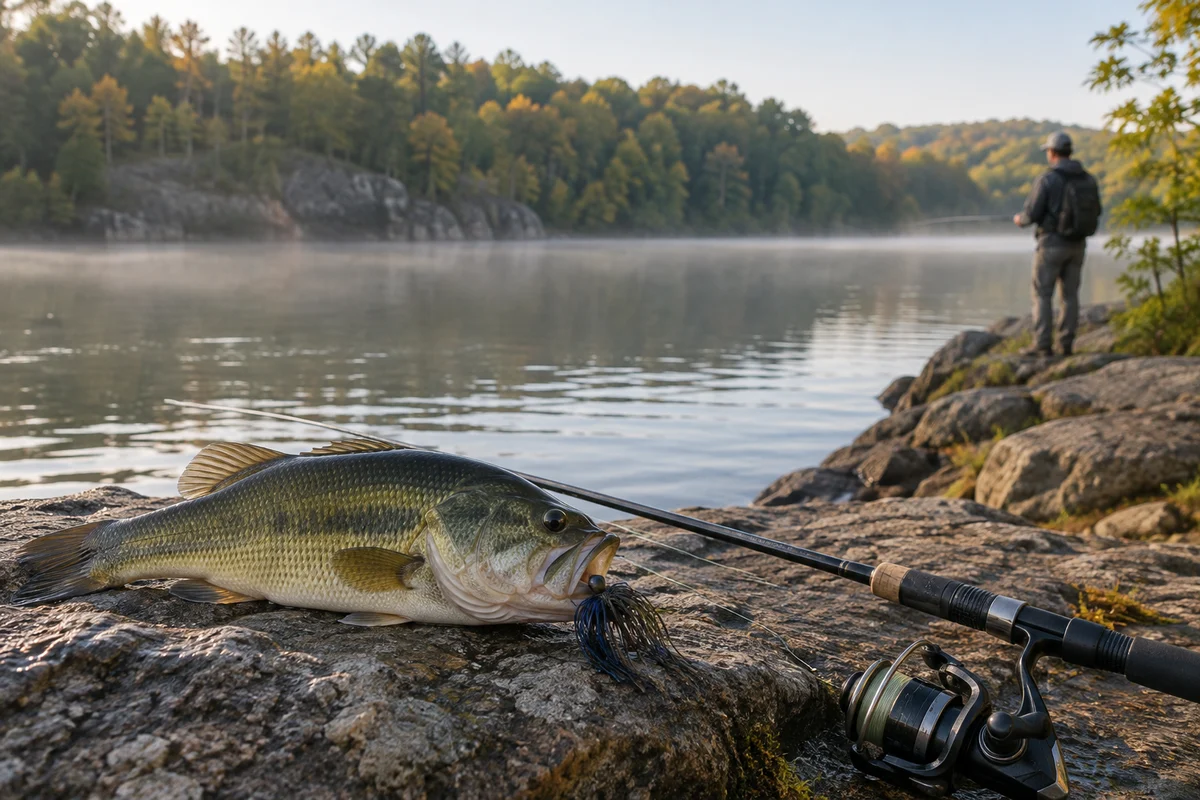
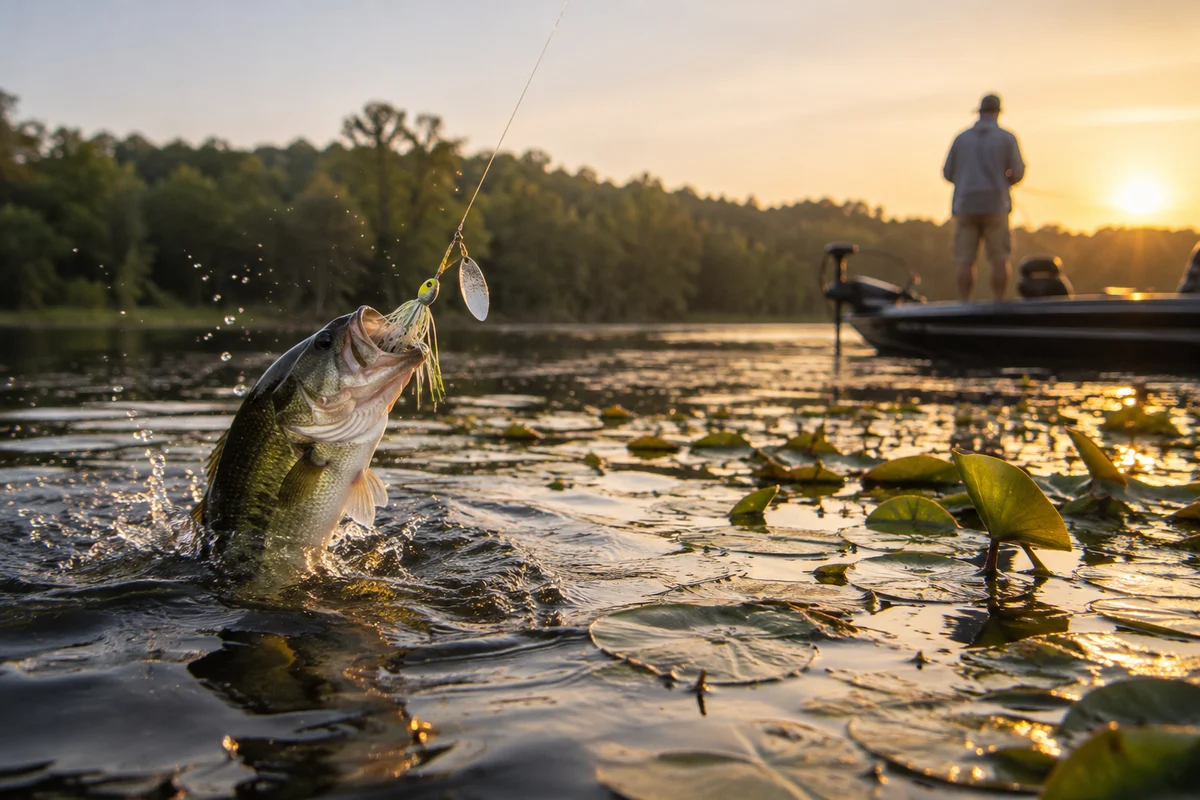
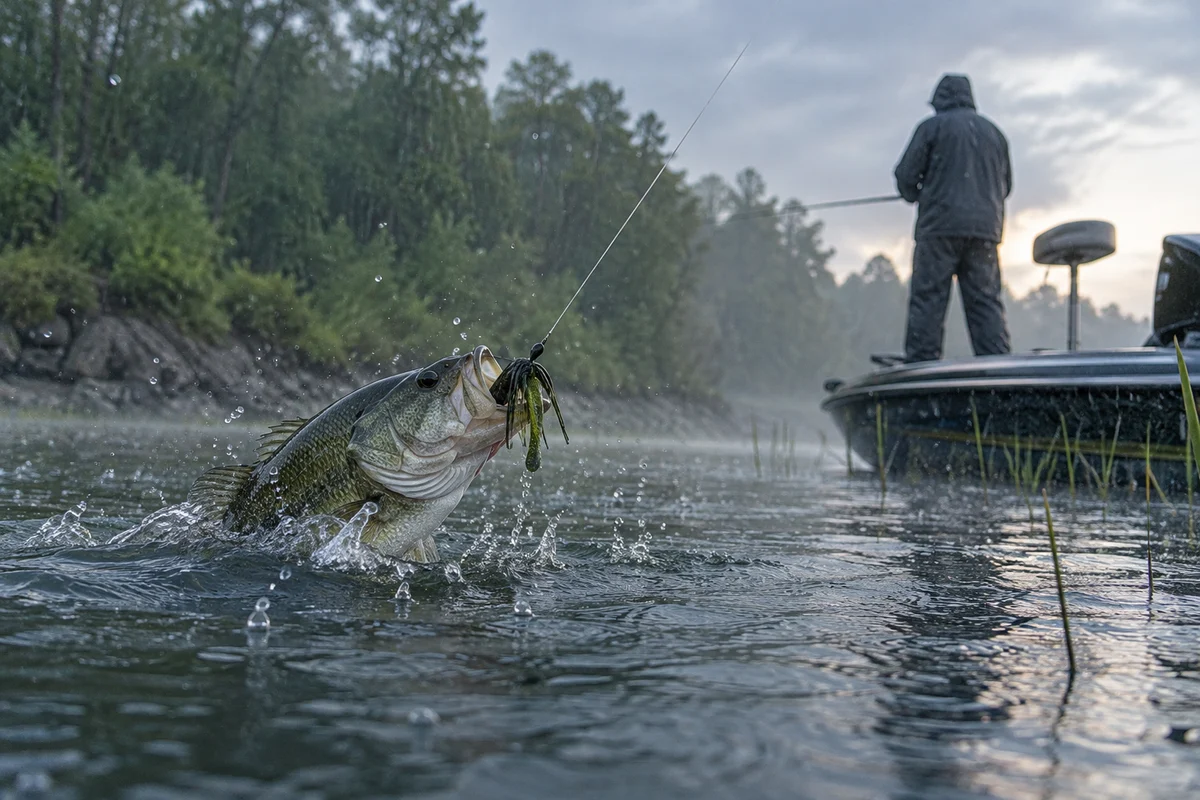
A finesse jig bass fishing approach pairs a compact jig with deliberate, controlled movement to tempt bass that ignore faster or bulkier presentations. It is not a guaranteed cold-front fix or a magic lure: the value is in matching the jig’s profile and pace to the cover, depth, and fish activity you encounter. Start with a manageable setup, make accurate casts, and let each change teach you something about the water.
What makes a jig a finesse jig?
“Finesse” describes a smaller, less imposing presentation rather than one universally standardized size. Manufacturers vary in head shape, hook, skirt, and weedguard, so compare actual products instead of relying only on the label. Compact jigs are often paired with a small craw-style trailer, but a subtle minnow-shaped trailer or no trailer can make sense when you want less bulk.
A jig can be useful because it combines weight, hook, and a skirted or otherwise dressed profile in one package. It can be crawled, dragged, or briefly hopped along the bottom, and it can be pitched beside likely holding spots. Its compact profile may be easier to present in tight places than a large, bulky bait. Still, a jig is not snag-proof, and its hook and guard do not eliminate the need to fish carefully.
For broader context on locating and approaching bass, see the freshwater bass fishing hub and this overview of plastic worm rigs for bass. A jig is one option in a larger toolkit, not a substitute for reading conditions.
Choose tackle you can control
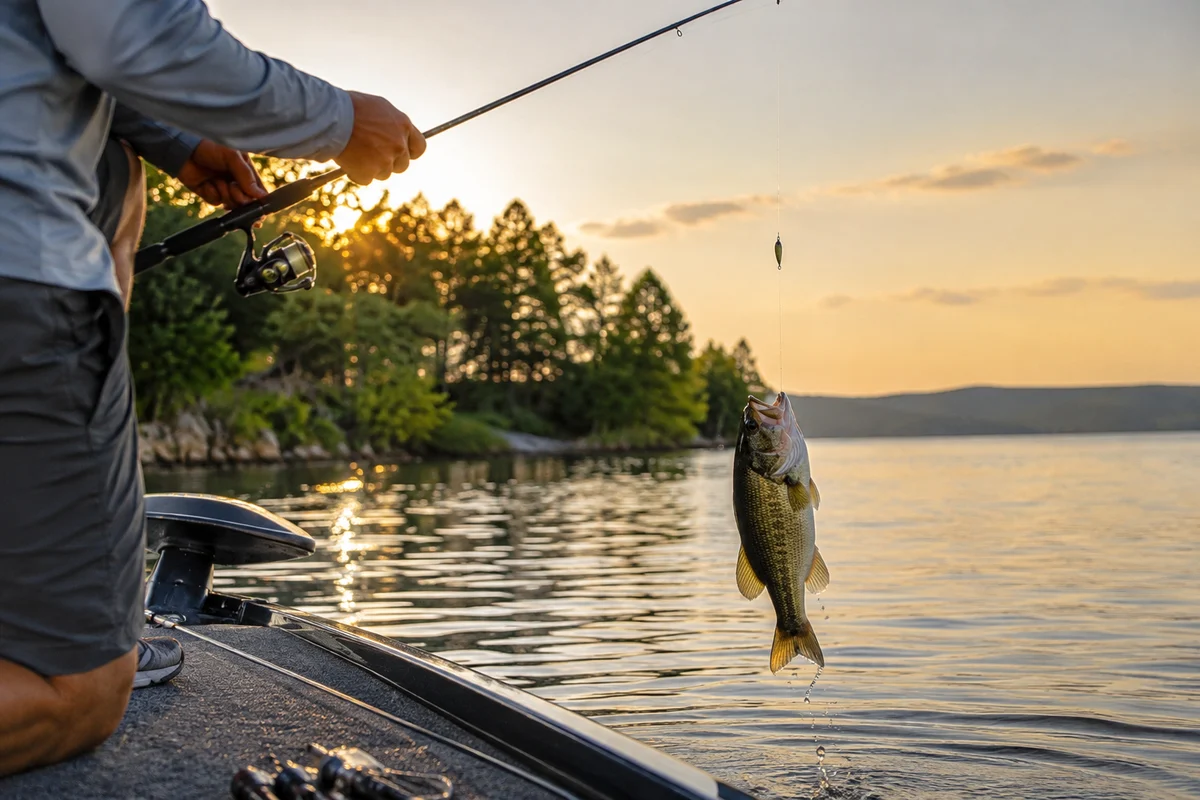
Use a rod and line combination that lets you feel bottom contact while still handling the cover and fish in your water. A medium-power spinning outfit is a practical starting point for many compact jigs, especially when the bait is light and you need accurate casts. A baitcasting outfit can suit a heavier jig or denser cover if you can cast it comfortably. Rod ratings and line recommendations differ by model; follow the maker’s guidance and keep the hook size and line appropriate for local conditions.
The most useful setup is the one that allows you to detect a change in pressure without overpowering the presentation. If the jig repeatedly hangs up, first consider a different casting angle or route before changing all your tackle. If you cannot feel it touch bottom, check depth, current, line bow, and jig weight. Increasing weight may help maintain contact, but too much weight can make a small offering fall unnaturally fast or wedge into cover.
| Situation | Starting adjustment | What to observe |
|---|---|---|
| Sparse grass or open bottom | A compact jig with a modest trailer | Whether it reaches bottom and moves without dragging vegetation |
| Wood or rock edges | Make short, controlled casts parallel to the edge | Where the jig first contacts cover and whether it snags |
| Wind or current | Improve line control; consider a slightly heavier jig if needed | Whether you can distinguish bottom contact from line movement |
| Clear, calm water | Reduce visual bulk and lengthen pauses | Whether fish follow, inspect, or ignore the bait |
| Repeated hang-ups | Change angle and retrieve path before adding force | Which part of the cover catches the jig |
These are starting points, not rules. A compact profile can still be conspicuous in clear water, and bass may respond differently from one day or waterbody to another.
Where to look for bass
Begin with transitions: the edge of a weedline, a change from rock to softer bottom, a dock’s shaded side, or a point where shallow cover meets deeper water. Such features offer a useful plan for casting because they let you cover a boundary rather than aim at featureless water. Bass location varies with season, water temperature, forage, lake structure, and fishing pressure, so treat familiar patterns as hypotheses to test.
In shallow water, work visible cover methodically. Cast beyond or beside a target when practical, then bring the jig across the likely holding area. Around submerged vegetation, stay near the outside edge or openings rather than repeatedly pulling through thick growth. On rocky bottoms, expect occasional contact and use a controlled lift to free the jig rather than snapping hard. Near docks or other structures, respect access rules and avoid casting where people, boats, or property could be struck.
If you are new to the pattern, the guide to bass fishing for beginners provides useful context for choosing locations and building a basic plan. The key is to fish a small area thoroughly before moving: a compact jig rewards careful placement more than frantic casting.
A controlled presentation, step by step
- Make a purposeful cast. Pick a specific edge, opening, or piece of cover. A cast parallel to a boundary can keep the jig in the strike zone longer than a perpendicular cast.
- Let it settle. Watch the line as the jig falls. A sudden jump, sideways movement, or unexpected stop can indicate contact with cover or a fish, but wind and slack can also move line. Stay attentive without assuming every twitch is a bite.
- Check bottom contact. When the jig reaches bottom, take up slack enough to feel it while avoiding a constant pull. If you cannot tell whether it has settled, adjust line control or choose a weight better suited to depth and conditions.
- Move it in small increments. Crawl or drag the jig a short distance, pause, and repeat. Try a small lift when it meets an obstruction, then let it settle again. Avoid making every movement identical; vary the pause or distance and note what changes.
- Respond to a credible bite. A fish may feel like a tap, added weight, or a line that moves differently. Keep the rod and line under control, set the hook in a manner suited to your tackle, and avoid swinging toward people or nearby obstacles.
- Check the bait. After a missed bite or snag, inspect the trailer, skirt, hook point, and line near the lure. A damaged trailer or dulled hook can affect presentation and hookup reliability.
Do not confuse a slow retrieve with an inactive one. Small, intentional movements can keep the lure near cover while giving you time to notice changes in pressure. On the other hand, a jig that sits motionless for too long may not be the best choice if fish are actively chasing bait. Compare it with a moving presentation rather than assuming one pace is always superior.
Adjust without changing everything at once
If you receive no response, make one adjustment and give it a fair trial. Change the cast angle, then the pause, then the jig profile or weight. Changing several variables at once makes it hard to tell what helped. If bass appear to be chasing bait, a moving option such as swimming jigs for bass may better match the activity. If fish are holding deeper or refusing a moving bait, return to a bottom-oriented approach and test a slower cadence.
Trailer choice is another controlled adjustment. A bulkier trailer adds profile and movement; a smaller or less active trailer keeps the offering restrained. Match the trailer to the jig so it remains secure and does not interfere with the hook. There is no universal color formula: water clarity, light, available forage, and local experience all matter. Begin with a color you can see and fish confidently, then adjust if conditions or observations give you a reason.
Common mistakes and practical limits
- Fishing too fast: If the jig barely touches bottom before you retrieve it, slow down or improve line control.
- Using excess weight: A heavier jig can improve contact but may fall too quickly or wedge into cover.
- Casting only at obvious cover: Bass can hold beside a visible target or along a nearby transition. Work the edges too.
- Pulling hard on every snag: Change the angle and ease the jig free where possible. Force can damage tackle or send the lure back unexpectedly.
- Treating a missed bite as proof of a bad lure: Check the hook point, trailer position, and line, then consider whether the fish actually contacted the bait.
- Ignoring local rules: Check applicable fishing seasons, license requirements, access rules, and any waterbody-specific gear restrictions before fishing.
A finesse jig will not solve every problem. Thick vegetation, strong current, deep water, or aggressive fish may call for another weight, profile, or lure category. Visibility, pressure, and seasonal behavior vary by waterbody, and a quiet day is not proof that a particular technique cannot work. Keep notes on location, depth, cover, and presentation so future choices are based on observations rather than assumptions.
A simple decision framework
Before changing lures, ask three questions: Can I reach the target? Can I feel the jig? Is the presentation staying in the useful area? If you cannot reach it, adjust casting position or tackle. If you cannot feel it, improve line control or make a modest weight change. If it moves through the zone too quickly, slow the retrieve or add a pause. If the jig catches repeatedly, alter the route or angle. These small corrections often provide clearer feedback than switching gear after every cast.
Finesse jig fishing works best as a deliberate method: target meaningful cover, keep contact, and make measured adjustments. Learn the rules for your water, handle fish responsibly, and release them carefully when that is your choice or the regulations require it.
Frequently asked questions
When should I try a finesse jig for bass?
Try it when you want a compact, controlled presentation near cover or along a bottom transition. Fish activity and conditions vary, so compare it with other presentations.
What is a good starting retrieve for a finesse jig?
Let it settle, then crawl or drag it in short increments with pauses. Adjust based on bottom contact, cover, and any signs of fish activity.
Should I use a spinning or baitcasting rod?
Either can work. Spinning tackle is often easier with light jigs, while baitcasting tackle may suit heavier offerings or dense cover; follow the rod and line maker’s recommendations.
How do I reduce snags with a finesse jig?
Cast at a deliberate angle, work the edges of cover, and ease the jig over obstructions. No jig is snag-proof, and pulling hard can create hazards.
Sources & further information
Consult these primary sources for current regulations, technical information and local guidance.