Big Lures for Big Bass: Choose Baits That Match the Moment
Large bass baits can help you target fish willing to pursue a substantial meal, but size alone is no guarantee. Match profile, action, and retrieve to local forage, water conditions, and the cover you can fish safely.
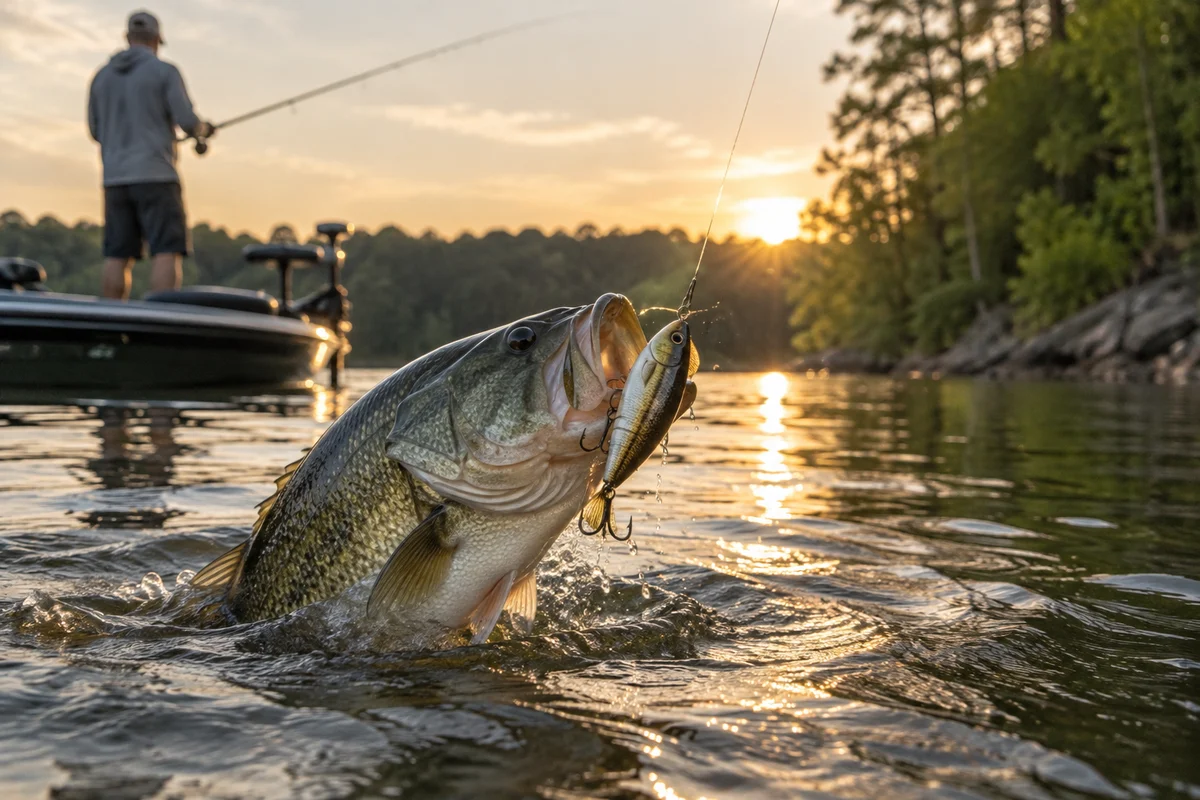
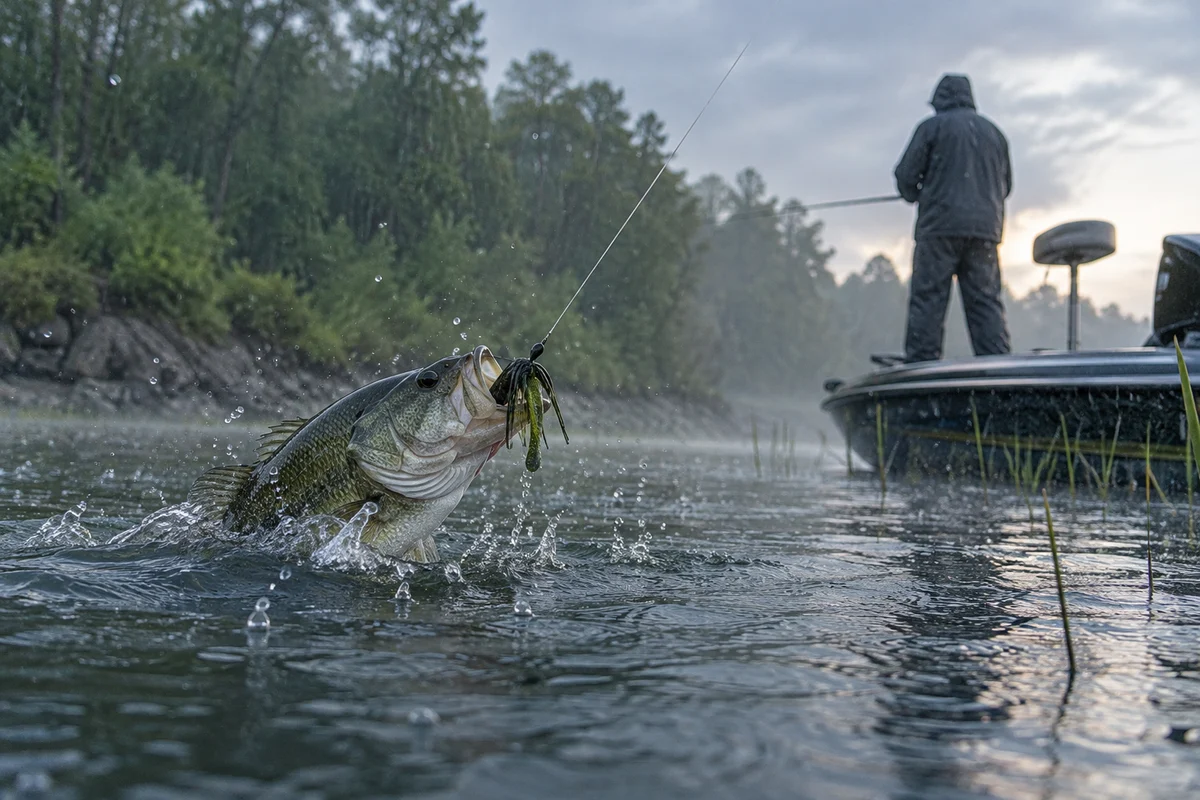
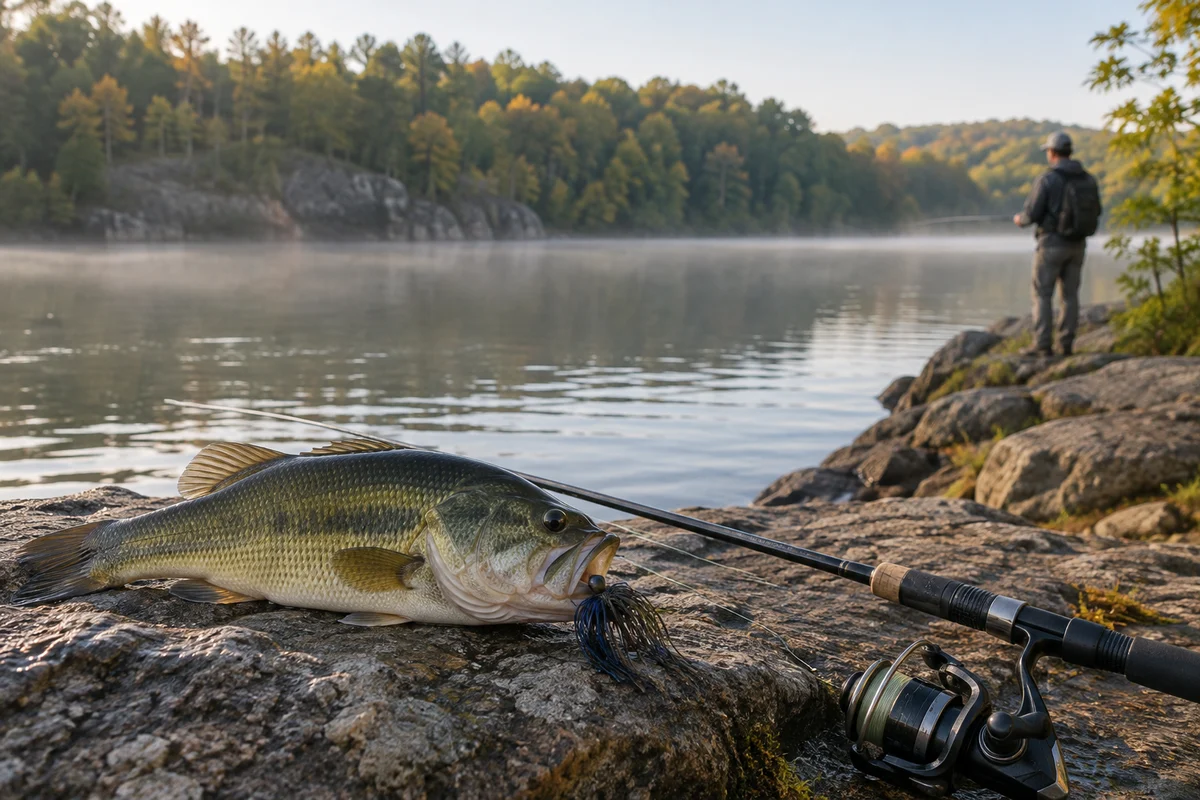
A lure that looks oversized in the tackle box may look like an easy meal to a bass feeding on substantial prey. But big lures for big bass are not a shortcut to bigger fish: they are a way to present a larger profile, cover water, or imitate the forage available where you fish. The useful question is not simply how large a bait can be, but which size and action make sense for the conditions today.
Choose a lure you can cast and retrieve with control, then pay attention to where it travels in the water. A giant bait fished awkwardly through the wrong cover is less useful than a smaller one that reaches the target cleanly. The framework below helps you select a category, make a sensible first adjustment, and recognize when a change is warranted.
What makes a large bass lure useful?
A larger profile can be conspicuous and may resemble a sizable fish, bluegill, shad, or other local prey. It can also help anglers focus on a particular presentation rather than repeatedly showing fish a small bait. Yet bass do not feed on a fixed schedule, and a big lure does not guarantee a strike—or selectively catch only large bass. Smaller fish may attack it, while a large fish may ignore it.
Think of lure size as one variable among several: profile, movement, depth, speed, and location. Start with prey that is actually present. If bass in a pond regularly encounter bluegill, a broad-bodied bluegill-style bait may be a more logical match than a long, slender bait intended to resemble a minnow. In a shad-rich lake, a narrower profile may make more sense. Local forage varies by waterbody and season, so observe the water, ask local fisheries staff, and consult current regulations where relevant.
Choose by forage, cover, and water clarity
Use this quick decision framework before tying on a large bait. It is a starting point, not a rule: weather, fishing pressure, depth, and the fish’s behavior can change the result.
| What you observe | A reasonable starting choice | What to watch for |
|---|---|---|
| Large, slender baitfish are common | A long, streamlined swimbait or jerk-style profile | Whether the bait tracks naturally and remains visible at the chosen depth |
| Bluegill or other deep-bodied prey dominate | A wider swimbait, glide-style bait, or bulky soft plastic | Snags around vegetation, docks, and branches |
| Bass are near the surface or shallow cover | A sizable topwater or waking bait | Wind, surface chop, and whether fish can locate the bait |
| Fish hold deeper or along a break | A sinking or adjustable-depth presentation | Safe casting space, bottom contact, and the lure’s actual running depth |
| Water is stained or visibility is limited | A bait with a clear silhouette and noticeable movement | Whether fish can find it without an overly fast retrieve |
Clarity affects how readily fish can detect a bait, but it does not dictate one universal color. In clearer water, a natural-looking profile may be a sensible first try; in stained water, a strong silhouette or more noticeable action can help. Treat color as an experiment rather than a promise. If you cannot see the lure, check its action beside the boat or bank before making long casts.
Cover matters just as much as appearance. Treble-hooked hard baits can collect weeds or snag wood; weedless soft plastics can pass through some vegetation more cleanly, though they are not snag-proof. Keep casts clear of people, pets, overhead wires, and other anglers. Large lures are heavy enough to make poor casting habits especially consequential.
Match lure category to the job
Swimbaits cover a range from soft, paddle-tailed models to rigid, multi-section designs. A steady retrieve is a simple baseline: it lets you learn the bait’s action and depth before adding pauses or speed changes. Check the maker’s instructions for the intended tackle and retrieve, because designs differ. Do not assume that a bait’s appearance tells you exactly how deep it will run.
Glide-style baits are generally worked with deliberate rod movements and pauses, but their response varies by design. Practice close to shore or beside the boat, where you can observe the turn and settle. Avoid exaggerated movements until you understand how the lure behaves; controlled, repeatable strokes make it easier to identify what changed when a fish follows or strikes.
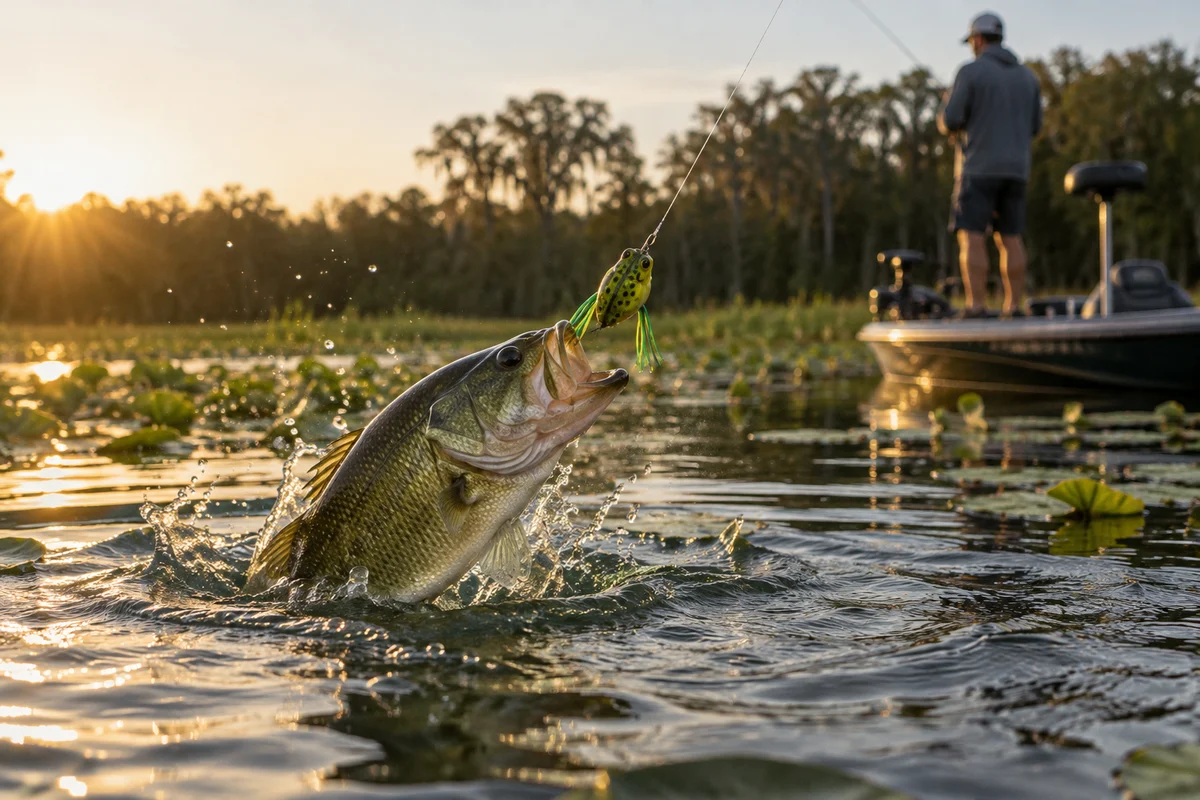
Topwater baits can be useful when fish are feeding near the surface or when shallow cover is the target. A steady wake, walking action, or occasional pause may suit different designs. Watch for follows as well as strikes. A fish following without committing can suggest changing the cadence, route, or size, but it does not prove that a particular adjustment will work.
Bulky soft plastics offer a more compact way to show a substantial profile around cover. Rigging and weight determine how they fall and move. If you are learning basic options, our guide to plastic worm rigs for bass explains common presentations. For a moving soft-bait approach, see bass fishing with soft plastics.
A practical way to fish a big bait
- Inspect the area. Look for visible forage, points, weed edges, docks, shade, and safe casting lanes. Give other people ample space.
- Begin with a controlled retrieve. Cast past or along a likely target, then retrieve at a pace that keeps the lure working as designed. Observe its action near shore before repeating the cast.
- Cover a small area deliberately. Make a few casts from different angles. A lure passing beside a weed edge or across a point may be more informative than random casts across open water.
- Change one variable at a time. Try a modest speed change, a pause, a different depth, or a different profile. Changing everything at once makes it difficult to learn from the result.
- Record observations. Note wind, light, water clarity, location, lure category, and retrieve. These notes help distinguish a repeatable pattern from a single encounter.
A follow is useful information even when it does not become a catch. The fish has detected the bait, at least briefly. Try a pause or a slightly different path, then consider whether the bait’s size or action seems out of place. If there is no visible activity after working likely locations, a smaller or more subtle presentation may be a better next step. Our summer bass fishing tips cover seasonal considerations, while swimming jigs for bass offers another moving-bait option.
Tackle, handling, and fish care
A large, heavy lure calls for tackle that can cast it safely and control it during a fight. Check the rod and reel maker’s ratings rather than guessing, and stay within the stated lure-weight range. Use a line suited to the lure, cover, and your equipment. Knots, hooks, split rings, and other connections should be inspected before fishing; replace damaged or bent components instead of trusting them with a cast or fish.
Make a smooth cast rather than an abrupt snap. Keep the casting arc clear, and do not cast toward another person. Wear eye protection when casting, especially around hard baits with multiple hooks. Keep fingers away from hooks during unhooking, use appropriate tools, and support a fish carefully if you plan to release it. Follow local rules on seasons, size limits, possession, and handling. Regulations differ by jurisdiction and can change; check the responsible state or local wildlife agency before fishing.
Common mistakes and useful adjustments
Choosing size by ego instead of evidence. Large is not automatically better. If forage is small, fish are inactive, or the water is pressured, try a smaller profile or a more restrained presentation.
Fishing too fast to learn the bait. First establish the lure’s natural action at a steady pace. Once you know how it moves, a pause or speed change becomes a deliberate test rather than guesswork.
Assuming a follow means the lure is wrong. A follow can reflect curiosity, changing light, or the fish’s position. Try one measured adjustment and revisit the area rather than making a string of unrelated changes.
Ignoring depth and obstacles. A lure may run differently with line, retrieve speed, and design. Check it in visible water when possible, and avoid forcing a snagged bait in a way that risks injury or broken tackle.
Big-lure fishing is most rewarding when it is treated as a focused way to explore likely feeding areas—not as a guarantee of a trophy. Match the bait to available prey and fishable cover, use tackle within its intended range, and let each cast answer a small question about location or presentation. When the evidence points elsewhere, changing to a smaller bait is good decision-making, not giving up.
For more, explore our bass fishing fishing freshwater guides.
Frequently asked questions
Do big lures catch only big bass?
No. Large lures may appeal to bass pursuing substantial prey, but bass of different sizes can strike them, and large fish may ignore them.
What is a good first retrieve for a large swimbait?
Start with a steady retrieve that lets the bait work as designed. Check its action close to shore and consult the maker’s guidance because models differ.
Should I use a large lure in stained water?
It can be an option, but clarity alone does not determine the best choice. Consider the bait’s silhouette and movement, then adjust based on observed fish activity.
How do I choose a big lure for local bass forage?
Observe the prey present and choose a comparable profile, such as slender for baitfish or broader for deep-bodied prey. Local conditions and fish behavior still matter.
What safety precautions matter when casting a heavy lure?
Use tackle rated for the lure, make sure the casting area is clear, wear eye protection, inspect hooks and connections, and follow local fishing regulations.
Sources & further information
Consult these primary sources for current regulations, technical information and local guidance.