A Practical Guide to the Best Bass Lakes
The best bass lakes are not a fixed list: conditions, access and seasonal patterns change what makes a water worth fishing. Use this guide to compare destinations and build a plan that adapts on the water.
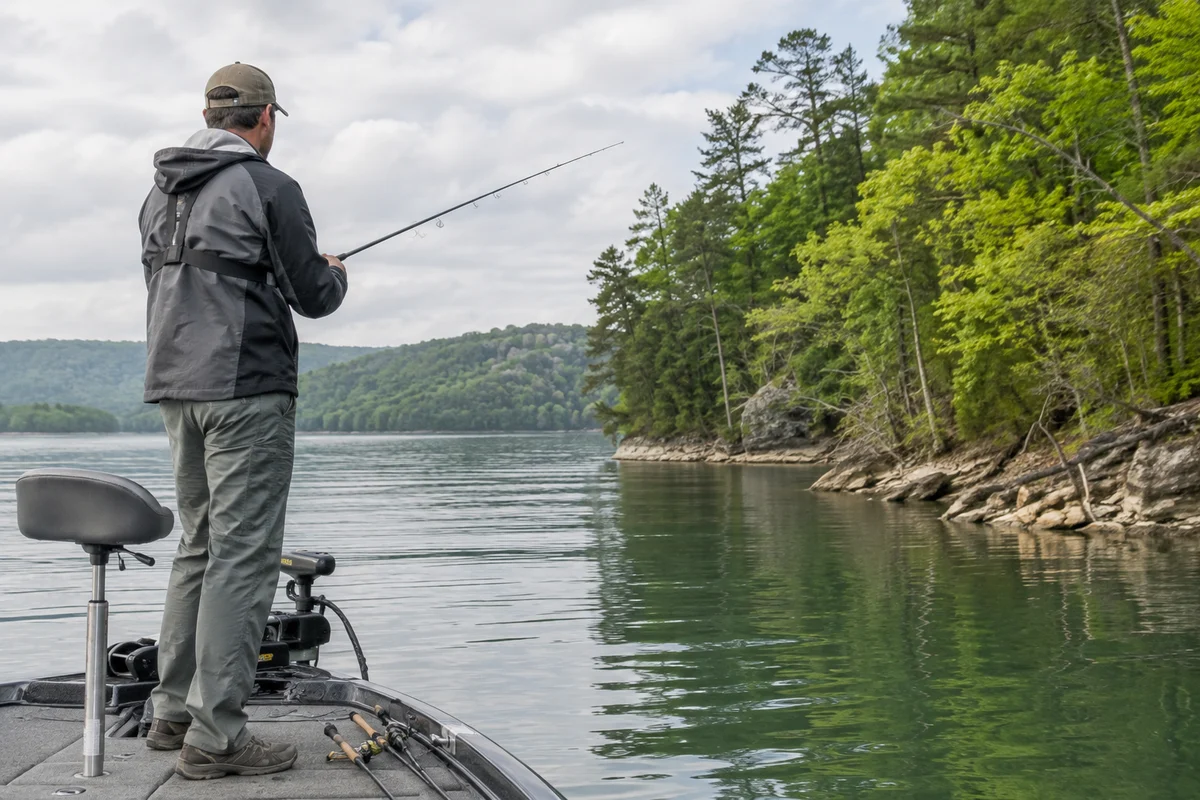
“Best bass lakes” can mean the most productive water near home, a destination with varied habitat, or a lake that fits a particular season and style of fishing. There is no universal ranking that stays accurate: bass populations, water levels, access, regulations and fishing pressure can all change. Instead of chasing a permanent top-ten list, compare lakes by the factors that matter for your trip and confirm current conditions before you go.
A good choice is one you can fish legally and safely, reach without wasting the day, and approach with a reasonable plan. Whether you have a boat or are fishing from shore, a little local research can narrow the field far more usefully than a headline ranking.
What makes a lake one of the best bass lakes?
Start with the fishery’s purpose and setting. Some waters are managed for a range of recreational opportunities; others have specific size limits, harvest rules, seasonal closures or access restrictions. Habitat can also vary widely. Bass may use vegetation, rock, wood, docks, points or deeper structure, but the availability and usefulness of each feature depends on the lake and the season.
Look for public information that helps explain the fishery rather than promising a catch. State wildlife agencies often publish regulations, access details, stocking or survey information, and lake-specific management updates. These materials have limits: surveys represent particular places and times, and results do not guarantee what an angler will find on a given day. Treat them as context, not a forecast.
Then consider your own constraints. A nearby lake with several usable access points may be a better choice than a famous destination that requires a long drive, a boat, or specialized knowledge. For an introduction to equipment and basic approaches, see our guide to bass fishing for beginners.
Compare lakes with a simple decision framework
Use this table to shortlist waters before choosing a specific launch or shoreline. Give more weight to the factors that matter most for your trip; there is no need to create a single score that pretends every lake is directly comparable.
| Factor | What to check | Why it matters |
|---|---|---|
| Regulations | Current season, size and harvest rules, license requirements | Rules differ by water and may change; verify before fishing |
| Access | Public launches, shore access, parking, hours and fees | A productive-looking lake is not useful if you cannot legally reach the water |
| Habitat | Vegetation, points, rock, wood, docks or open-water areas | Variety offers options when conditions shift |
| Season and weather | Water conditions, wind exposure, recent rain and temperature trends | These affect comfort, safety and fish location; none guarantees a bite |
| Fishing method | Shore, kayak, paddlecraft or motorboat suitability | Match the lake to the craft and experience you actually have |
| Trip logistics | Travel time, facilities, fuel and backup access | Practical details protect fishing time and help avoid rushed decisions |
Before leaving, check an official state wildlife agency source for the current rules and access notices. Consult a lake map from a dependable provider, and call or check the managing agency if an access point’s status is unclear. Recent local reports can offer clues, but reports are snapshots and may reflect a different location, technique or level of experience.
Match the lake to the season, not just its reputation
Seasonal patterns are useful starting points, not rules. In spring, bass behavior can change with water temperature, weather and spawning activity; local regulations may also affect where and how anglers can fish. During summer, fish may use shade, vegetation, deeper edges or other available habitat, while heat and low oxygen can influence conditions. In fall, changing temperatures and forage activity may redistribute fish. In winter, access, weather and water conditions can become the most important considerations.
A flexible plan is better than assuming a calendar date dictates fish location. Check the forecast, wind direction and any local advisories. On the water, begin with areas that are both accessible and plausible for the conditions. If one kind of cover is unproductive, change depth, location or presentation rather than repeatedly fishing the same stretch because it appears in an old report.
For warm-weather outings, our guide to summer bass fishing tips discusses planning around seasonal conditions. Techniques are tools, not guarantees; match them to the water, regulations and your ability to fish safely.
Build a location plan you can adjust
Before the trip, mark a few different types of areas instead of putting all your hopes on one spot. Depending on the lake, that might mean a shoreline with cover, a point, a weed edge and an open-water area. A map can help you understand the layout, but it cannot show every current obstacle, private boundary, temporary closure or safe route. Follow posted signs and stay within permitted access.
At the lake, observe before making a long run or committing to a single technique. Note wind, water clarity, visible vegetation, bait activity and boat traffic. If fishing from shore, identify legal paths and avoid trampling banks or disturbing nesting and shoreline habitat. If using a boat, wear a properly fitted life jacket, follow navigation rules, and account for changing weather and local boating requirements.
Keep tackle choices simple enough to adapt. A soft-plastic worm can be presented in several ways, but the appropriate rig depends on cover, depth and local rules. Our overview of plastic worm rigs for bass offers options to consider. Use tackle that you can control confidently, and avoid leaving line, hooks or other waste behind.
Verify claims and keep expectations realistic
Online rankings often blend different measures: tournament results, angler surveys, agency sampling, reputation and ease of access. Those measures answer different questions. A tournament venue may be attractive to experienced boat anglers but inconvenient for a family shoreline outing. A lake with a strong agency survey may still fish differently after weather shifts or habitat changes.
When comparing a claim, ask who collected the information, when it was gathered, what part of the lake it covers, and what “best” means. Prefer current regulations and management information from the responsible agency. Be cautious with precise catch promises or old rankings presented as current fact. No public dataset can predict an individual outing.
A useful shortlist usually has three candidates: a convenient local option, a water with varied access or habitat, and a destination that fits the kind of fishing you want to do. Check each candidate’s rules and access on the same day or shortly before travel. Keep a backup plan for weather, closures or crowded parking.
A pre-trip checklist
- Confirm license and water-specific rules with the responsible agency.
- Verify launch or shore access, hours, closures and parking arrangements.
- Check weather, wind, water advisories and boating conditions.
- Choose a primary area and at least one alternative.
- Pack appropriate safety gear, water, sun protection and waste storage.
- Carry out discarded line, packaging and other refuse; handle fish according to local rules.
The best destination is ultimately the lake that fits your experience, access, schedule and goals—and where you can fish responsibly. Treat reputations as a starting point, verify current details, and let observations on the water guide your next move rather than expecting any list to guarantee success.
For more, explore our bass fishing fishing freshwater guides.
Frequently asked questions
How do I find the best bass lakes near me?
Start with your state wildlife agency’s lake and access information, then compare current rules, public access, habitat variety and travel time. Verify conditions before you go.
Are bass lake rankings reliable?
They can be useful snapshots, but rankings may rely on different measures and may become outdated. Check who produced the information, when it was gathered and what it actually measures.
What should I check before fishing a new lake?
Confirm license and water-specific regulations, legal access, launch or shoreline conditions, weather, boating requirements and any advisories from the managing agency.
Does the best season for bass fishing stay the same at every lake?
No. Seasonal patterns vary with region, weather, habitat and local management. Use them as broad context and adapt to current conditions and regulations.
Sources & further information
Consult these primary sources for current regulations, technical information and local guidance.